
Tokyo Highlights: Asakusa, Shibuya, Akihabara & Beyond
Asakusa
Marunouchi and Shiyoda
Ginza, Chuo City and Shinjuku
Akihabara
Shibuya
Koto – TeamLab Planets
Asakusa
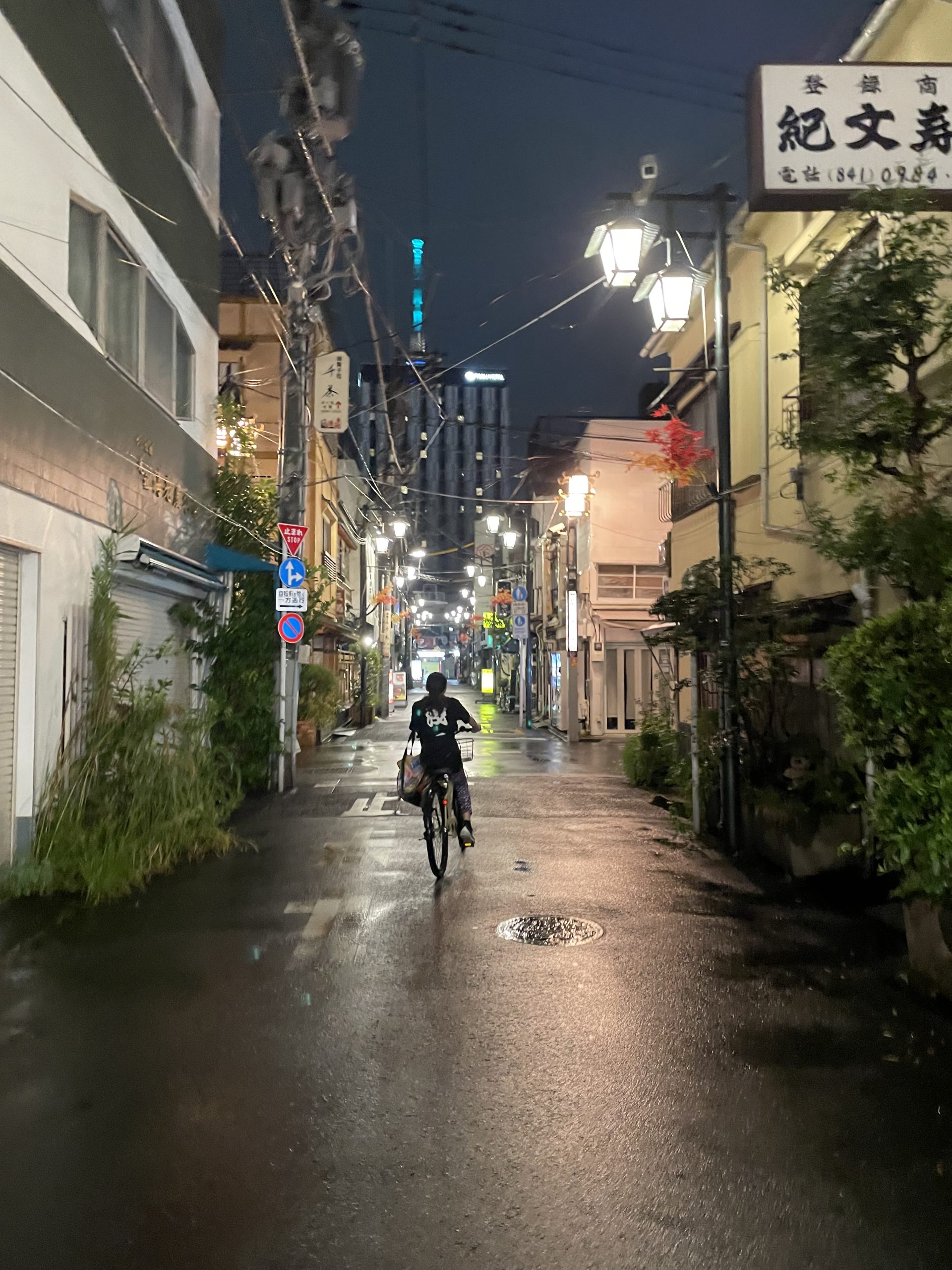
Our first encounter with Tokyo was the area of Asakusa. We stayed in Cyashitsu Ryokan Asakusa for 3 nights, which included 2 1/2 days visits. It was such a great place to start off the journey to discover the traditions and charms of Tokyo. I have a map of Tokyo to share with you where all the places mentionned below in Asakusa and Sumida are in blue.
What to see & do in Asakusa:
Sensō-ji, Asakusa
The main attraction of Asakusa is the famous Sensō-ji buddhist temple which is free to visit. Sensō-ji is the oldest temple in Tokyo. It’s the temple of Avalokitesvara Bodhisattva who embodies the mercy of all Buddhas and draws 30 million worshippers and tourists every year. If you choose your date right, you will get to see one of their celebrations. It was not our case but it also meant it was less crowed too.
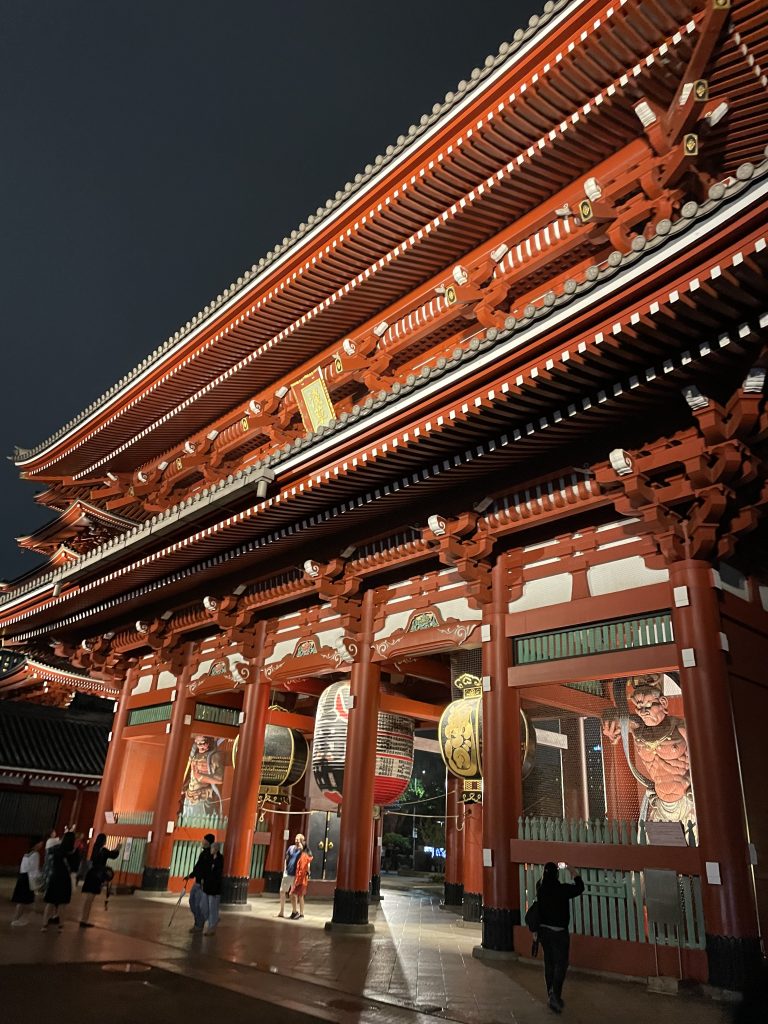
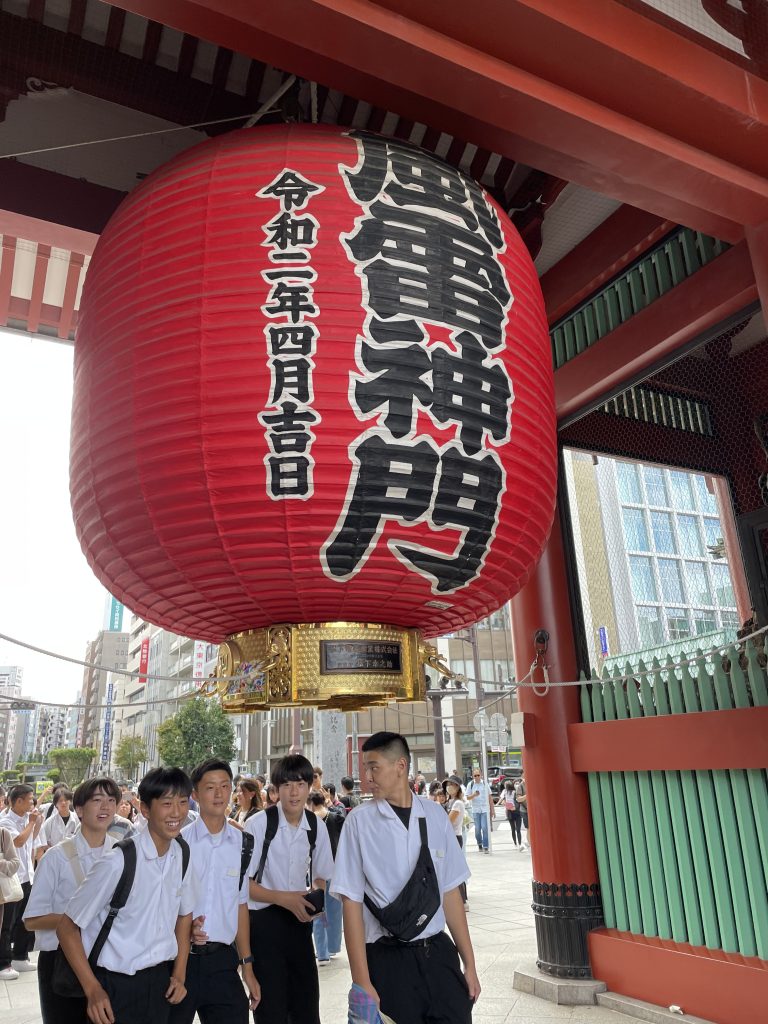
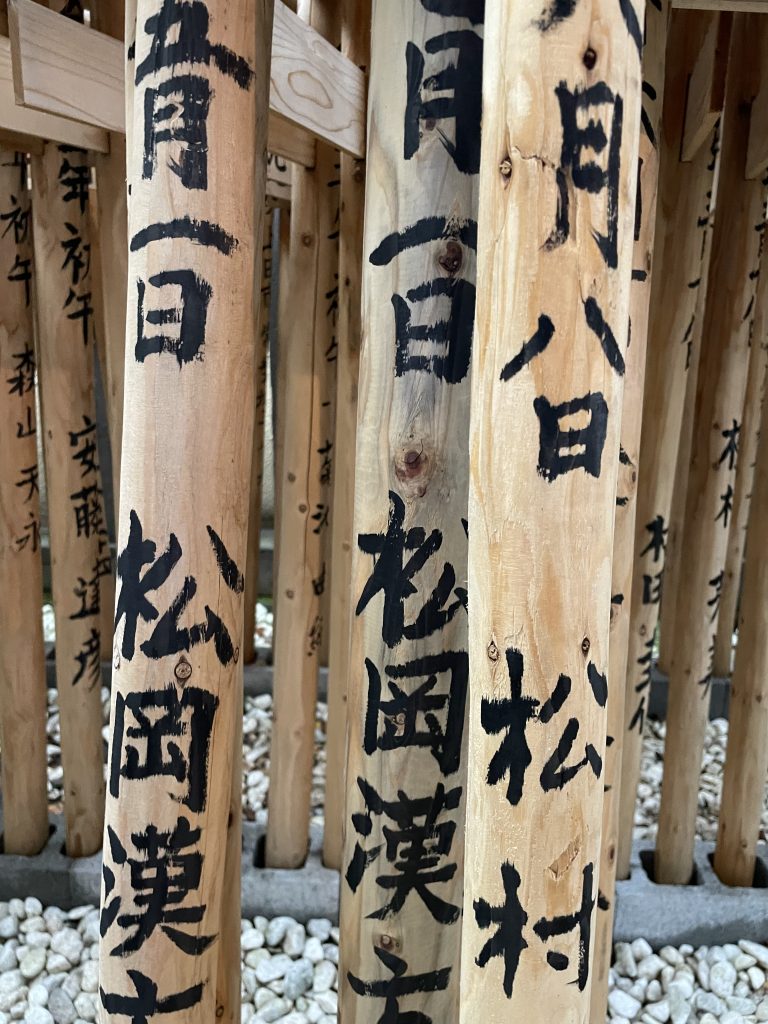
There are several traditions you must follow when you are there, it just makes your visit more interesting and interactive. These are the top 3 that you should not miss out on:
1. Purify yourself before entering the main hall.
Wash your hands in the chozuya: you start by holding the ladle in the right hand. Pour the water over your left hand, then hold the ladle in the left, pour water over your right hand, then return the ladle to that hand, if you can’t remember just look at your neighbour.
You can also rinse your mouth, and spit beside the basin without touching the ladle with your mouth, but that was a bit too daring for us.
2. Buy a stamp book called Goshuincho and get it stamped.
You can buy the Goshuincho in a bookstore or a tourist shop but also at shrines and temples at the Goshuin counter. We got ours at the Sensō-ji; when you buy one, the local goshuin (the stamp) is usually included.
At most shrines or temples you can hand over the Goshuincho to a staff member. Open it up on an empty page and they will put a red stamp and inscribe extra details in black ink. You pay cash for this service.
These Goshuincho serve as proof of pilgrimage but for us tourists it’s a wonderful souvenir.
3. You can draw omikuji fortune teller.
Shake the container and slide out one of the sticks of the small hole at the end.
There will be a number on it (in Japanese).
Go to the matching drawer and take out your omikuji.
If you get a good fortune, keep it just like Sebastian did.
If you have a bad fortune, you tie it up to a designated place.
Nakamise-dori Street, Asakusa
Between the Kaminarimon Gate and the Hozomon Gate, you have Nakamise-dori Street which is packed with people and stalls selling all sorts of souvenirs, from samurai swords to matcha tea and sweet treats.
This street is the main street to and from Sensō-ji, we happened to start with the temple first but it’s up to you. When we visited it was decorated with foliage to celebrate Autumn.

On the corner in front of the Kaminarimon Gate, you will find the Asakusa Culture Tourist Information Center. You can pop in and find information about the local sights and cultural events. Grab a map and go to the 8th floor and get a great view of Asakusa from their observation terrace.
Hoppy street, Asakusa
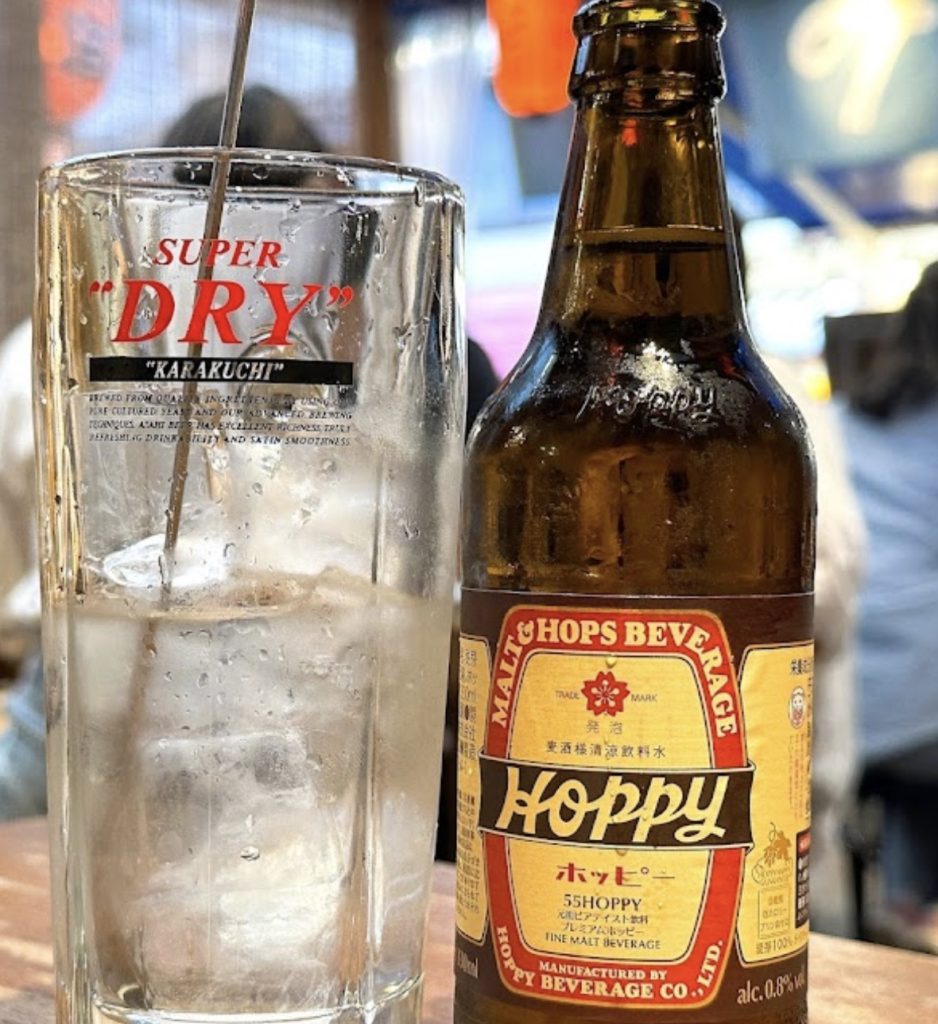
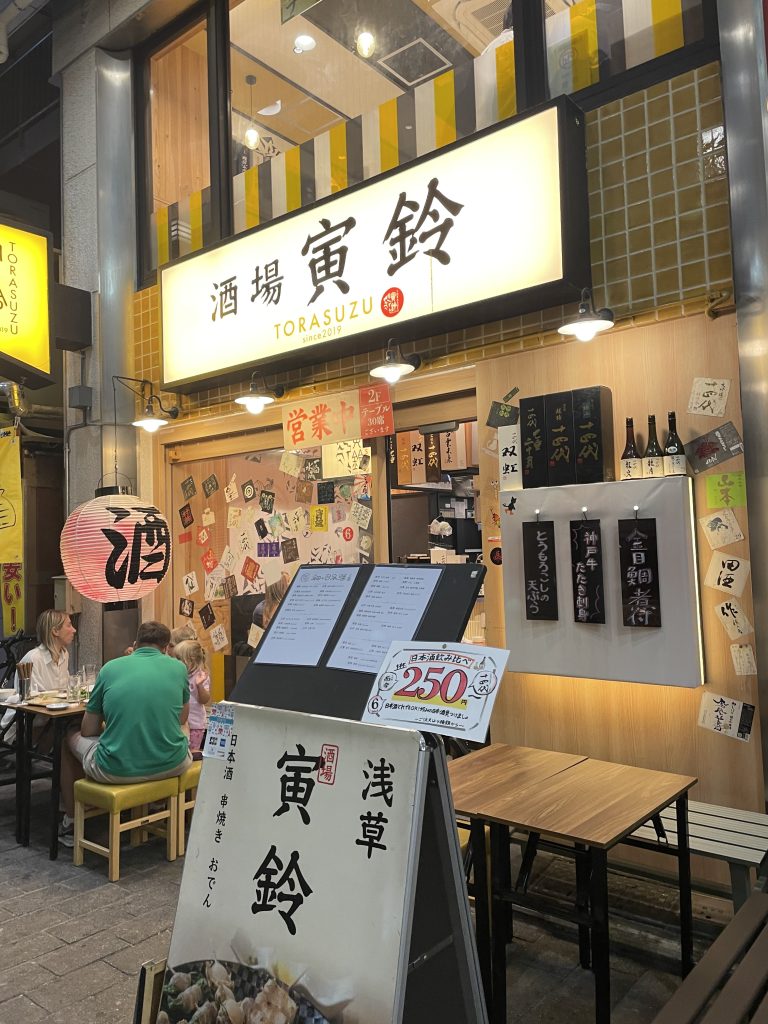
Hoppy street is basically a street lined with izakayas (Japanese pubs) where you can eat and drink. Each izakaya has its speciality and most of them have outside seatings. It’s simple, authentic and packed. It’s difficult to recommend an izakaya because you just go along with your ‘gut feeling’, you can also go bar hopping on Hoppy street.
Hoppy does not actually come from hopping but from a drink by the same name that is similar to beer. It is produced by a company called Hoppy Beverage. A popular way to drink Hoppy is to dilute it with shochu (distilled alcohol) or other liqueurs.
Shopping 24/7 in Asakusa
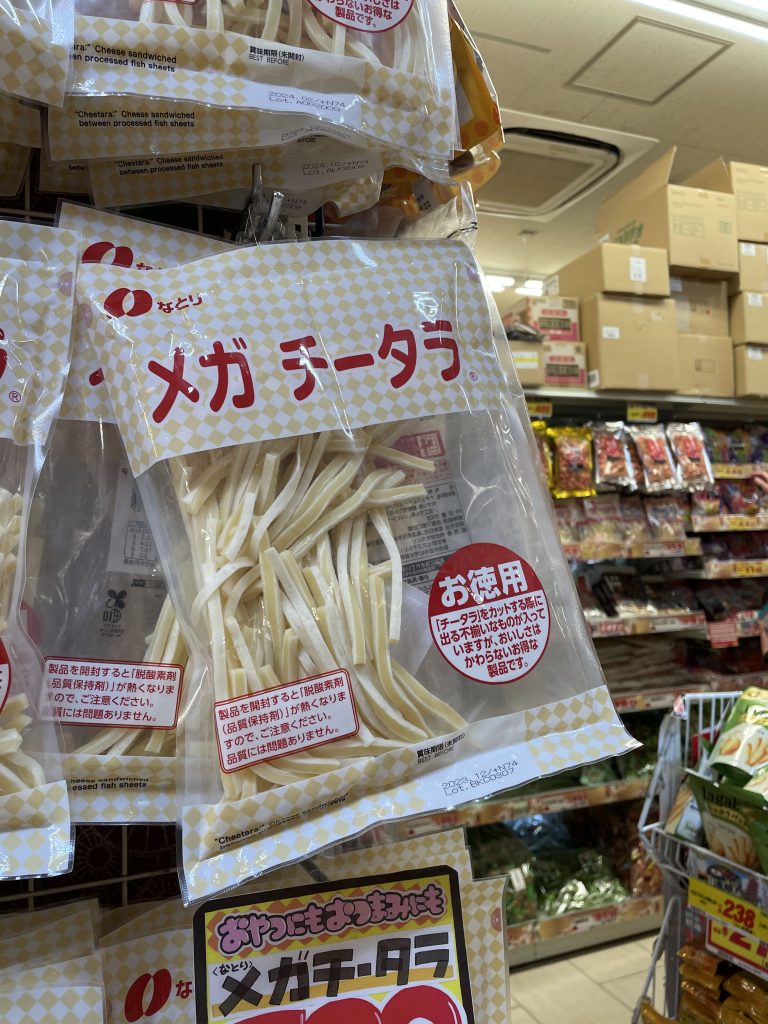
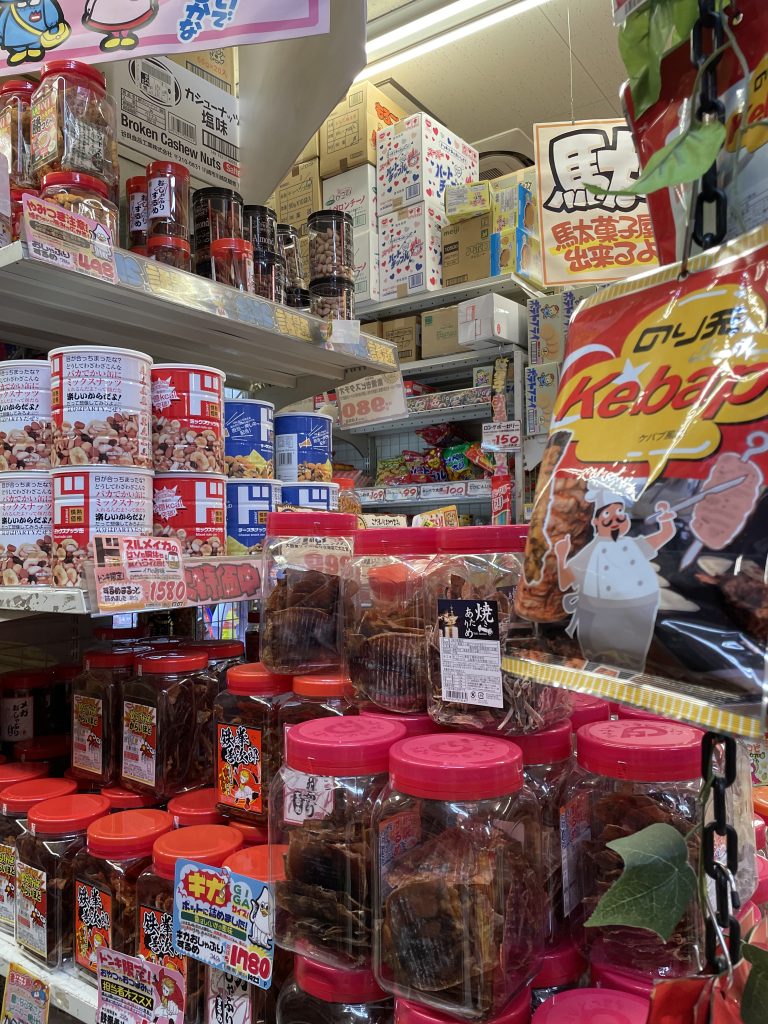
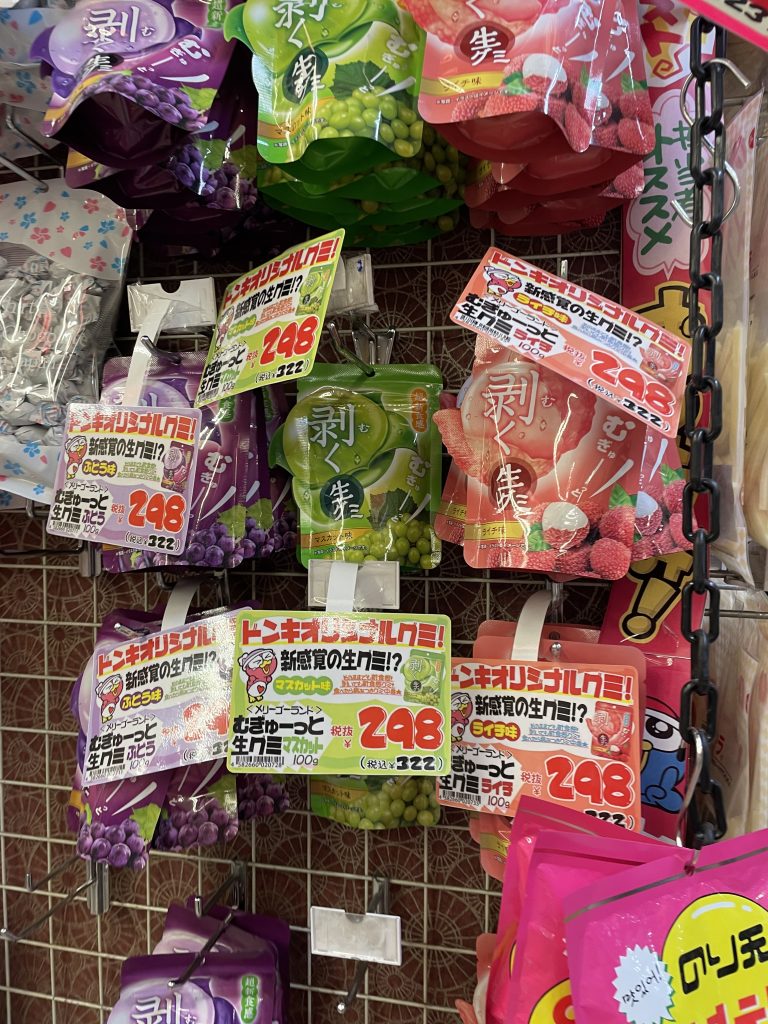
Everything around you is so overwhelming when you arrive in Tokyo. So we decided to dive in the deep end and explore a discount store called Don Quijote (I agree with you it doesn’t sound Japanese) but wait until you go inside.
It is open 24/7 and sells everything from food to cosmetics, appliances and souvenirs… you are bound to walk out of there with some souvenirs and food you have never tried in your life, and you might or might not enjoy it.
Tea ceremony in Asakusa
When you are in Japan, don’t miss out on a tea ceremony.
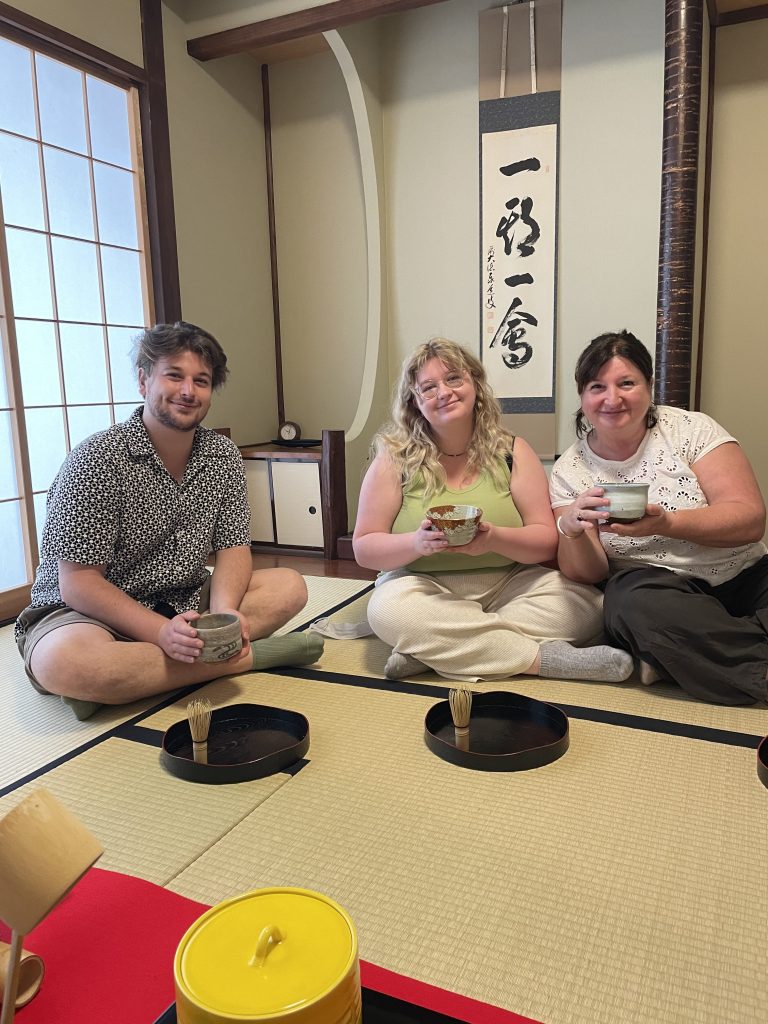
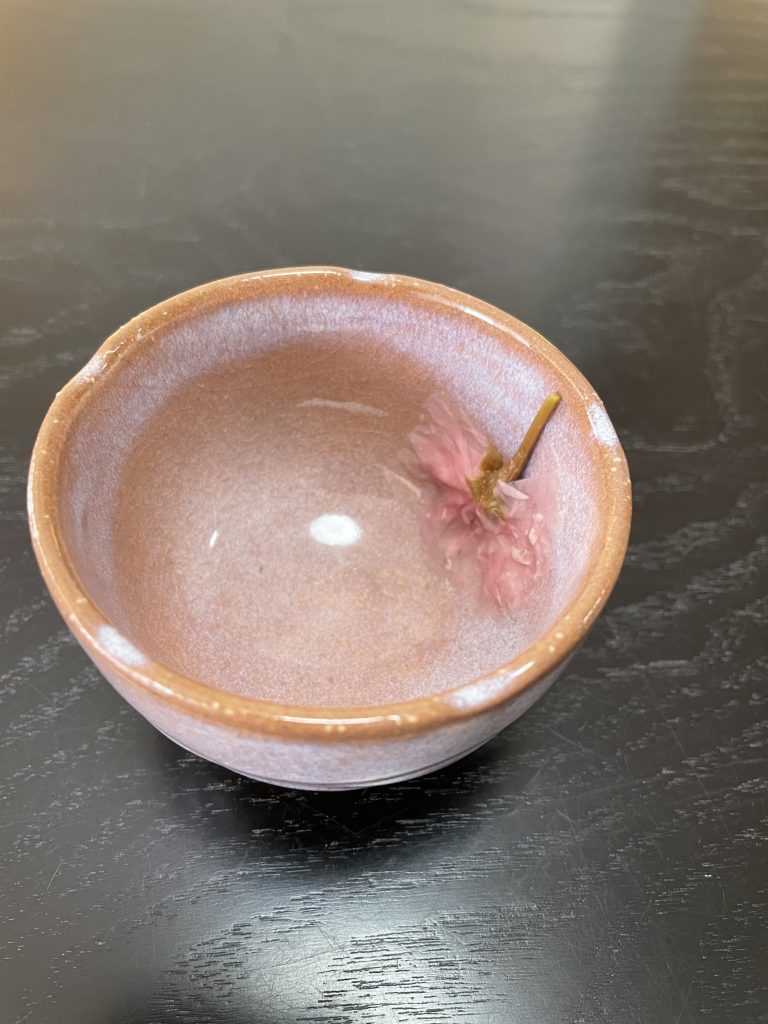
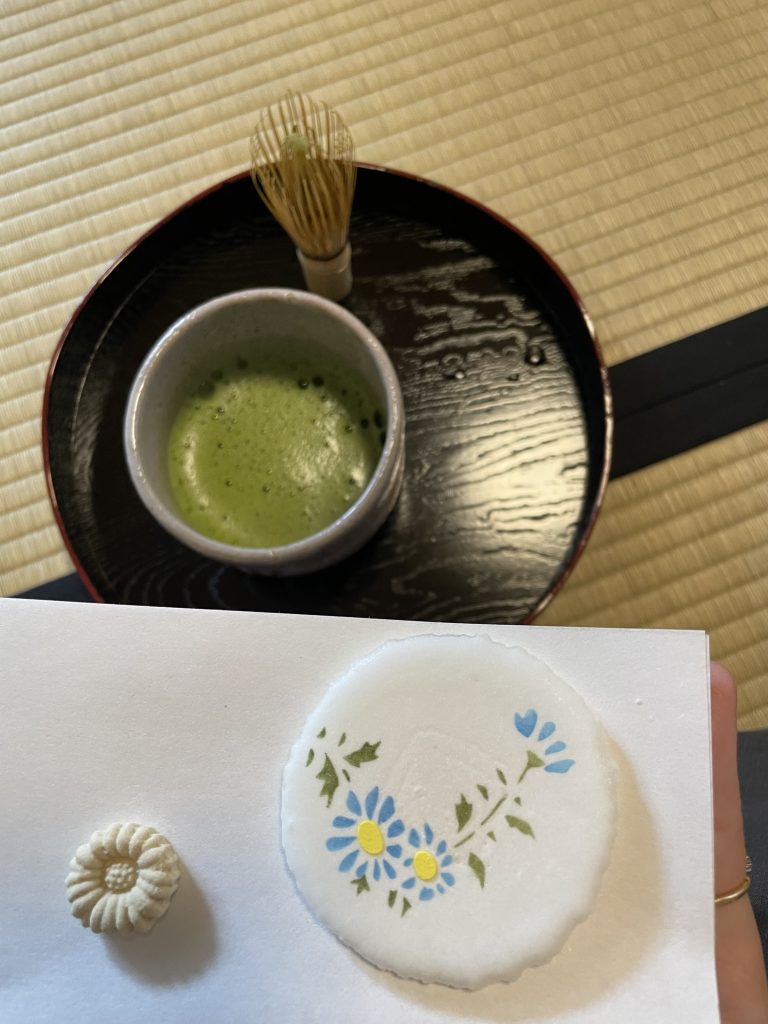
The tea ceremony we attended took place in the morning at Shizu-Kokoro – Chado School in the back streets of Asakusa quite close to our hotel. It was recommended to us by a friend who lived in Tokyo for 6 months and it was incredible.
We were offered a private ceremony for the 3 of us with the master of tea ceremony, Ms Mika Haneishi, and her assistant and it lasted one hour. You can of course join others instead of getting a private ceremony.
This beautiful experience was unique, humbling and spiritual and not just about drinking matcha tea.
Hidden gem in Asakusa
The Hidden Gem in Asakusa is a bar called Ninja Bar.
This bar is definitely hidden!
It’s located underground on the Asakusa lower shopping Street going to the Ginza line subway (right next to the Kebab factory). If it looks like you are going the wrong way, you are nearly there.
True to its name, you will be served your drinks by a Ninja. You have a HUGE choice of sake and beers. They may be some tourists but it’s so worth it!

Tokyo Skytree, Sumida
From the area of Kaminarimon Gate, Asakusa, we enjoyed the stroll over the Sumida river to get to Skytree in Sumida, it will take you about 15 minutes.
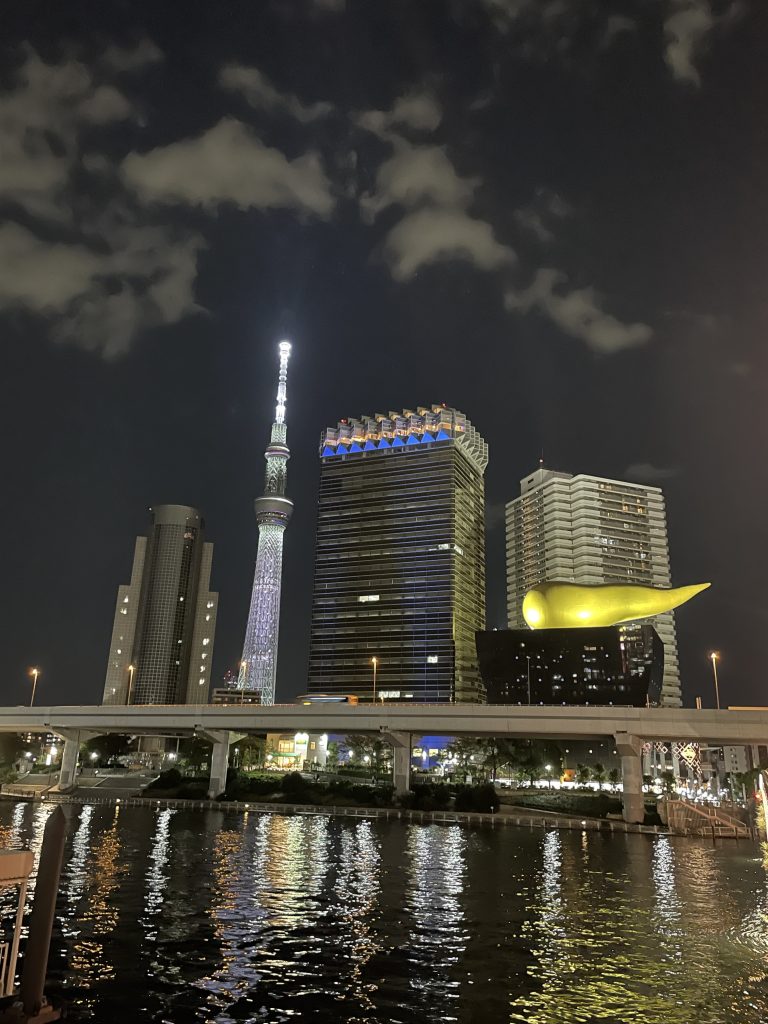
You will pass the famous golden ‘turd’, it’s a golden flame on top of the Asahi building in Sumida. We wanted to go grab a beer at the bar on the top floor, the Asahi Sky Lounge, but there was a private event taking place that day. We will just have to go back to Japan for that :)
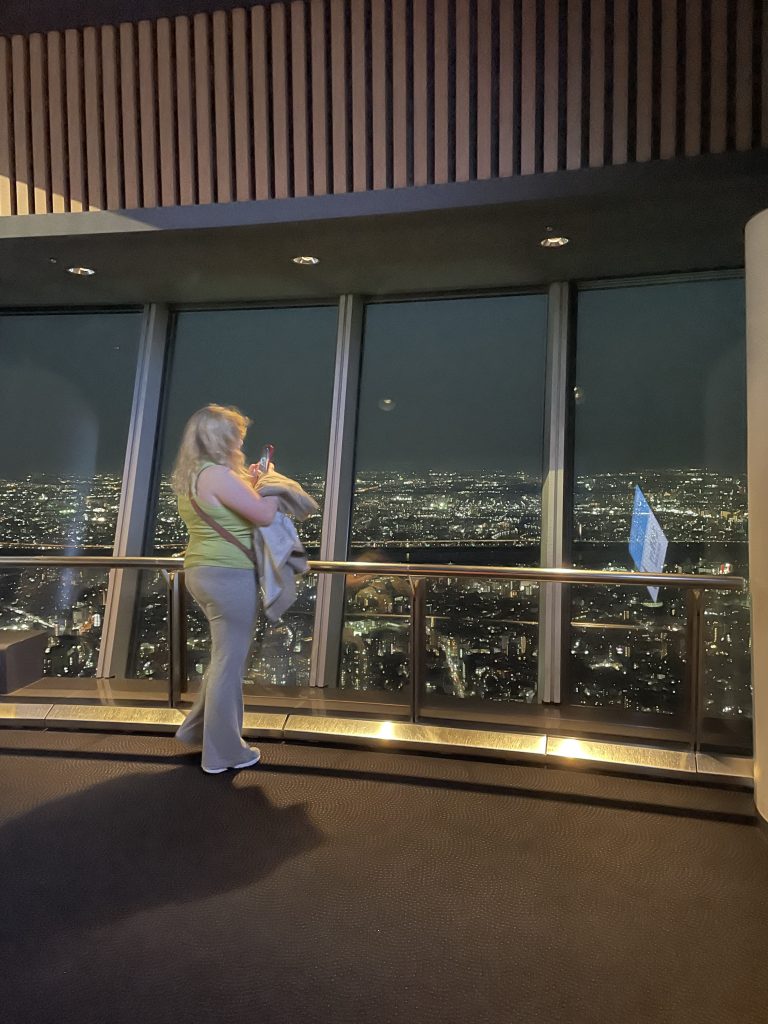
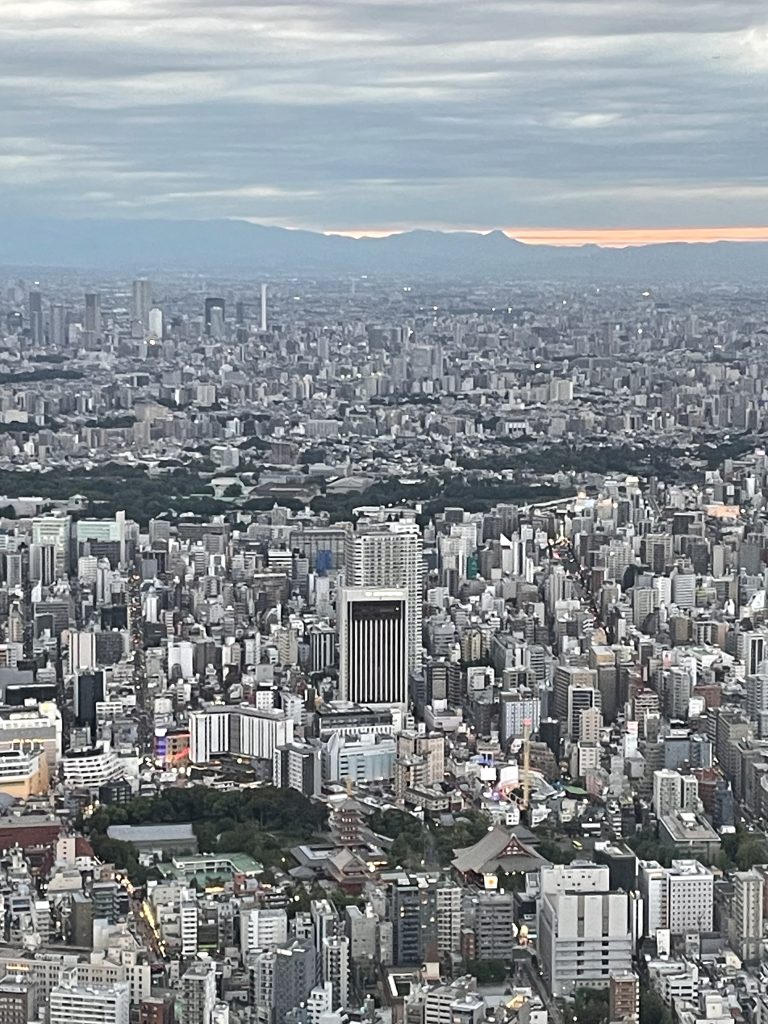
The Tokyo Skytree tower is 634 m tall, and you get enjoy a 360° view of the Tokyo cityscape from the observation deck. We went there just before the sunset so we got to enjoy the daytime view as well as the nighttime view once all the city lights are turning on.
Marunouchi and Shiyoda
Tokyo Station, Marunouchi
On the map of Tokyo, I have also added in dark red the places of interest in Marunouchi and Shiyoda.
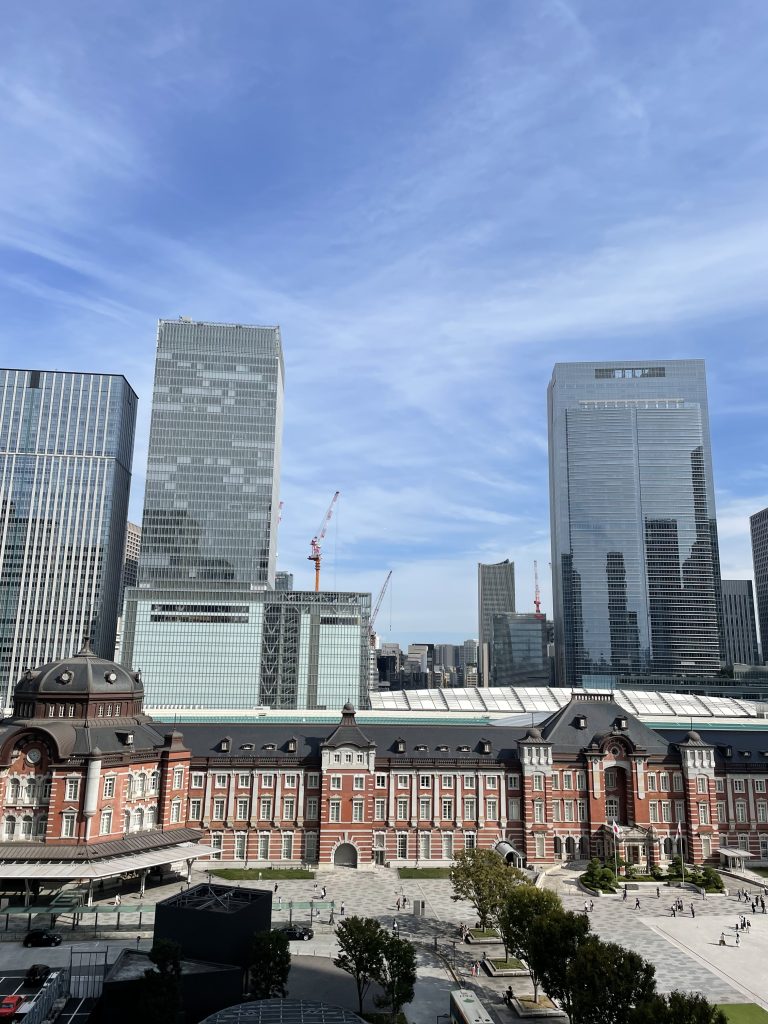
The red brick Tokyo Station was restored in 2012 to its original state with underground train tracks, shops and restaurants.
The Tokyo station is also where we activated our JR passes on our last day in Tokyo. There are two Japan Rail Pass Exchange counters in that station, one by the Marunouchi North Exit and the other by the Yaesu North Exit. Both are open from 7:30am to 8:30 pm. You can expect a queue but the employees are very efficient and speak English so you will be well taken care of.
This is where you will be taking the Shinkansen to either Kyoto, Osaka or Hiroshima and don’t forget to buy a bento box meal near the bullet train ticket gates, as these are the only trains in Japan where you can eat and drink. I have dedicated a post specifically about the JR pass.
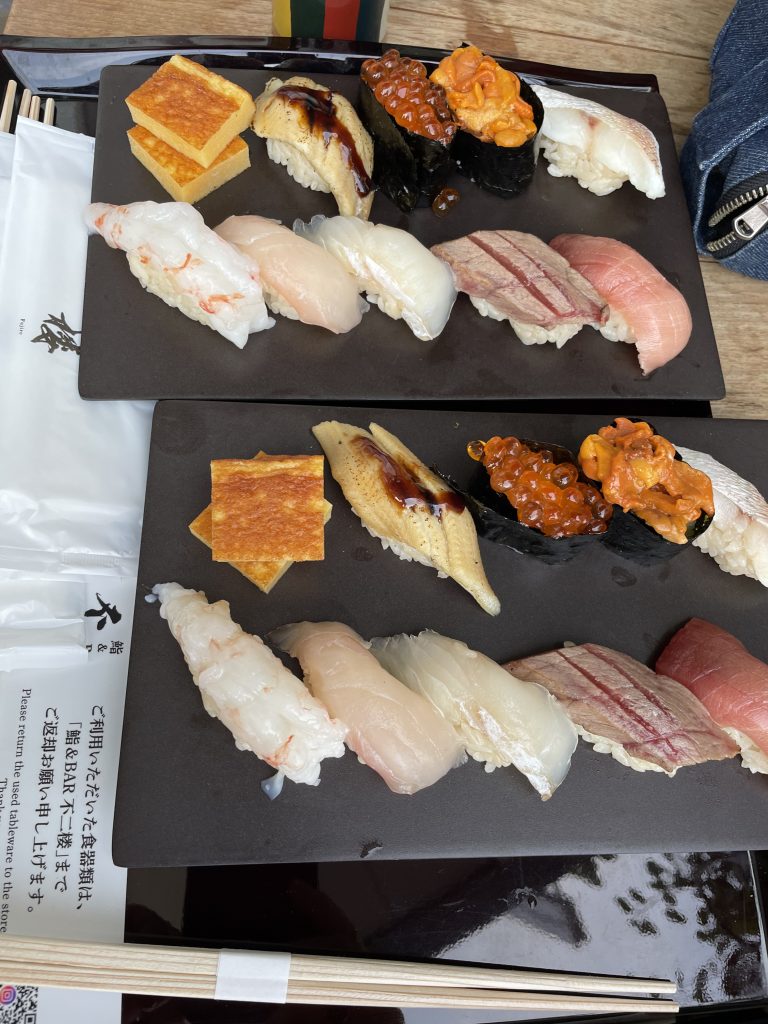
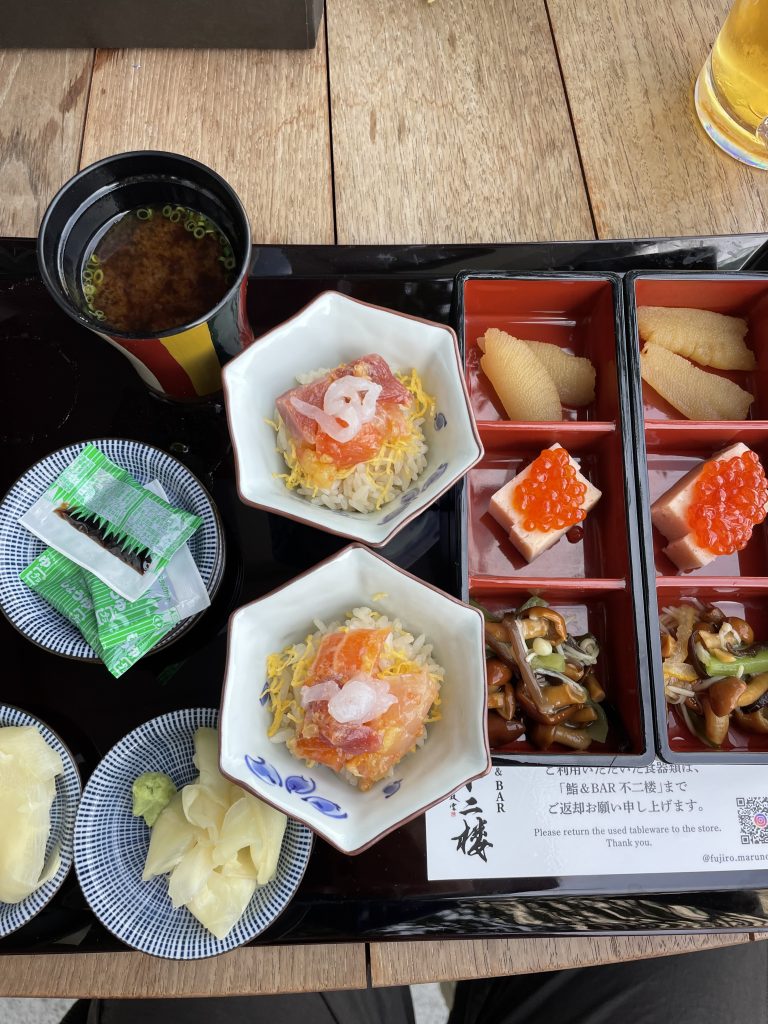
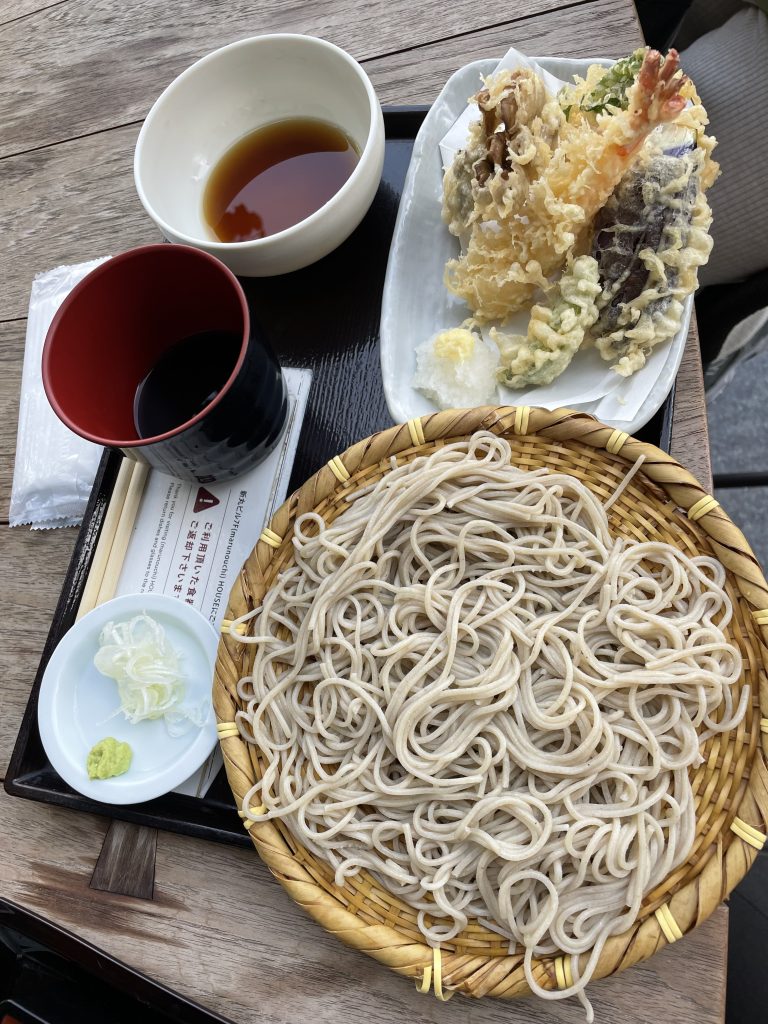
From the Central exit of the Tokyo Station, you cross the road to Marunouchi House, a rooftop situated on the 7th floor of the Shin-Marunouchi building with a great view of the Station. You can order food from 9 different restaurants and bars and eat outside on the terrace.
Imperial Palace, Shiyoda
A 10 minutes’ walk from the Tokyo Station, you have the Imperial Palace. I must say we did not visit it due to the lack of time and the visiting hours did not suit us. You must fill out an online application or apply in person to visit the site. A guided tour is free of charge and organised through the Imperial Household Agency The tour takes 75 minutes and is at 10am and 1:30pm every day except Mondays, Sundays and national holidays.
Ginza, Chuo City, Shinjuku & Shibuya
Ginza is just also a short walk south of Tokyo Station.
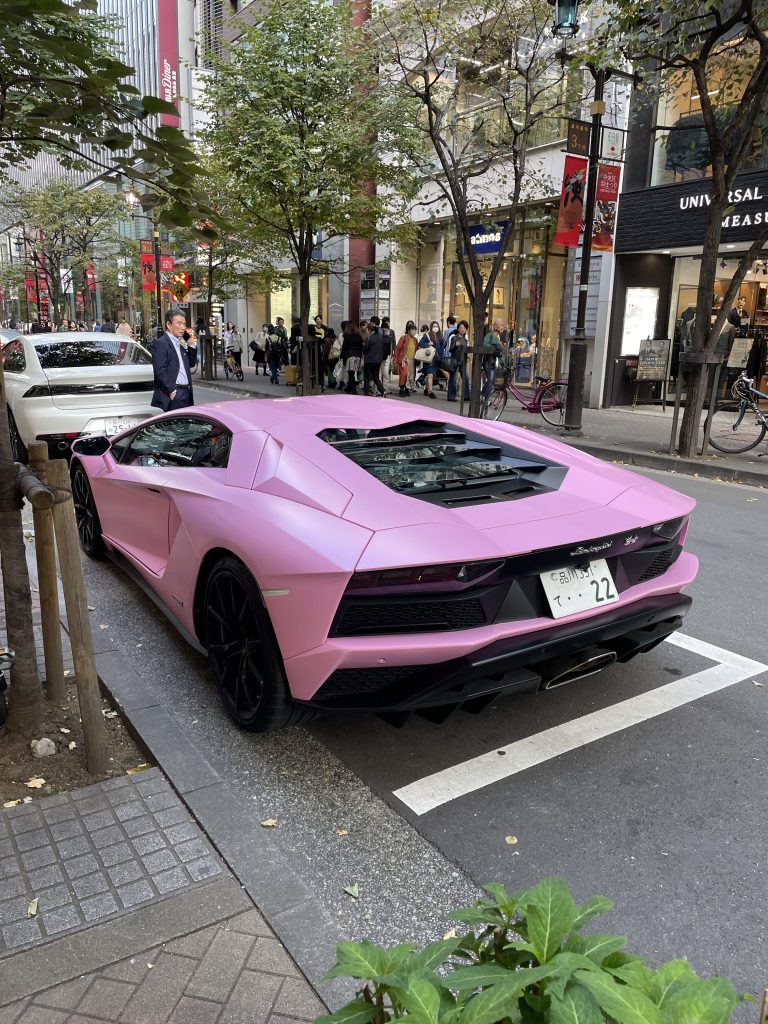
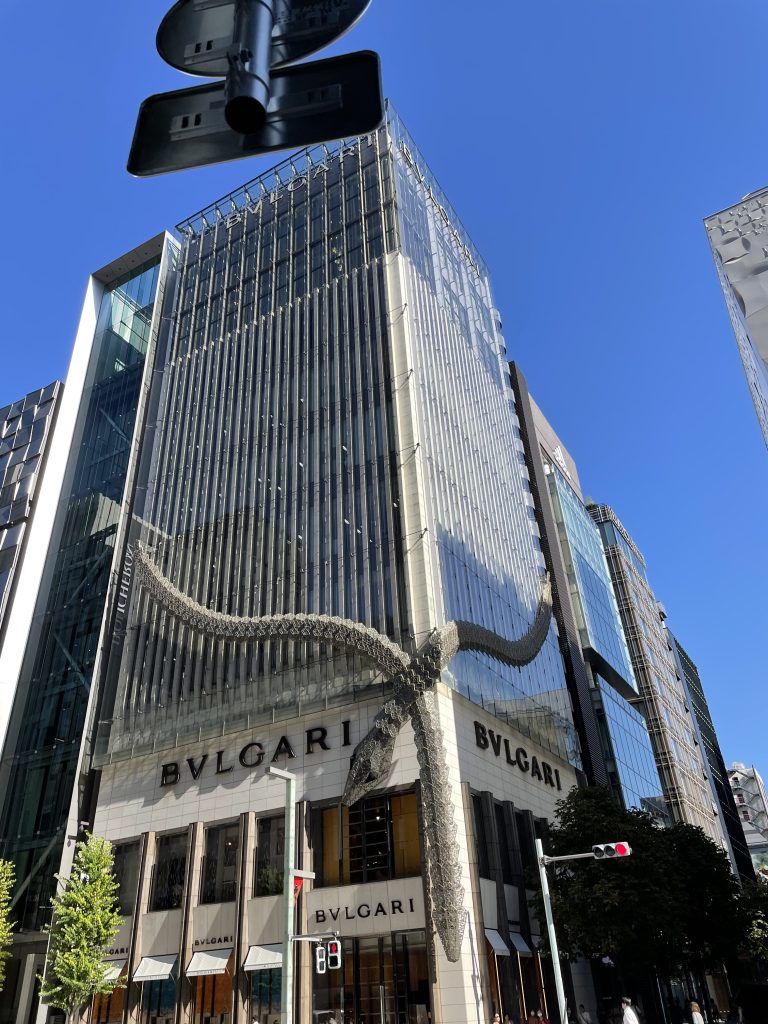
It is the heart of luxury shopping, you will find every fancy store imaginable. One square meter in Ginza is worth over ten million yen, making it one of the most expensive real estate in Japan.
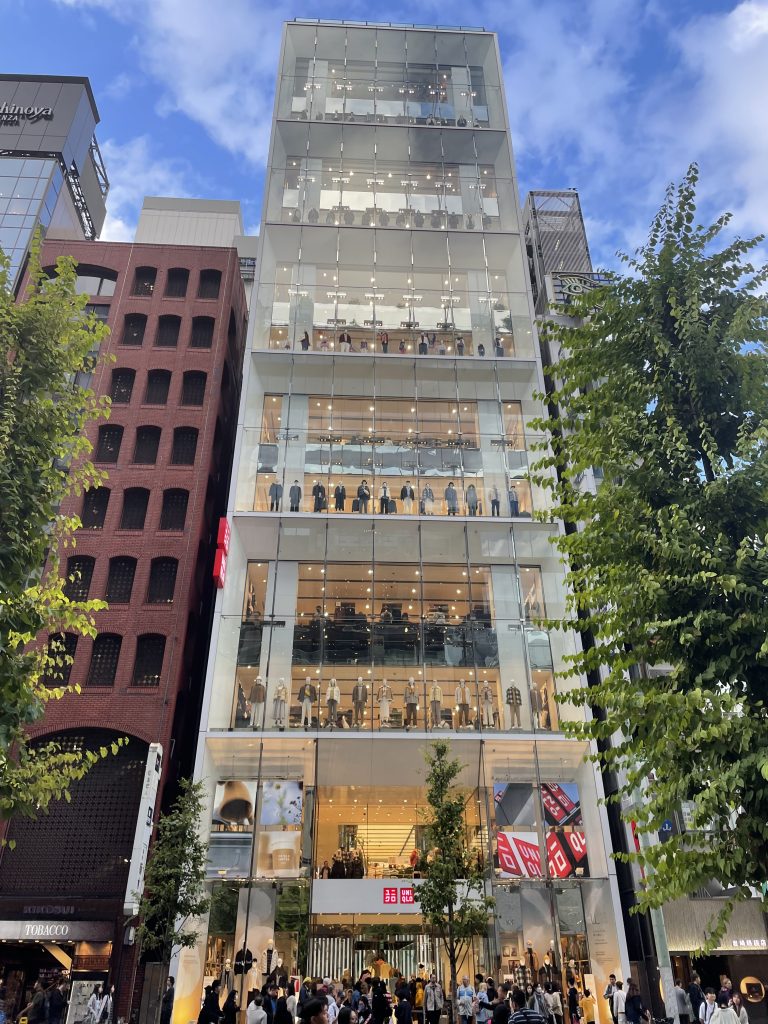
You should visit the biggest Uniqlo flagship store in the world. A must-do on your bucket list is to have a custom embroidery done on your Uniqlo bag or any piece of Uniqlo clothing. Please make sure you don’t wait till your last day in Japan to do so, that was our mistake, it can sometimes take up to a week to get your embroidery done depending on the demand.
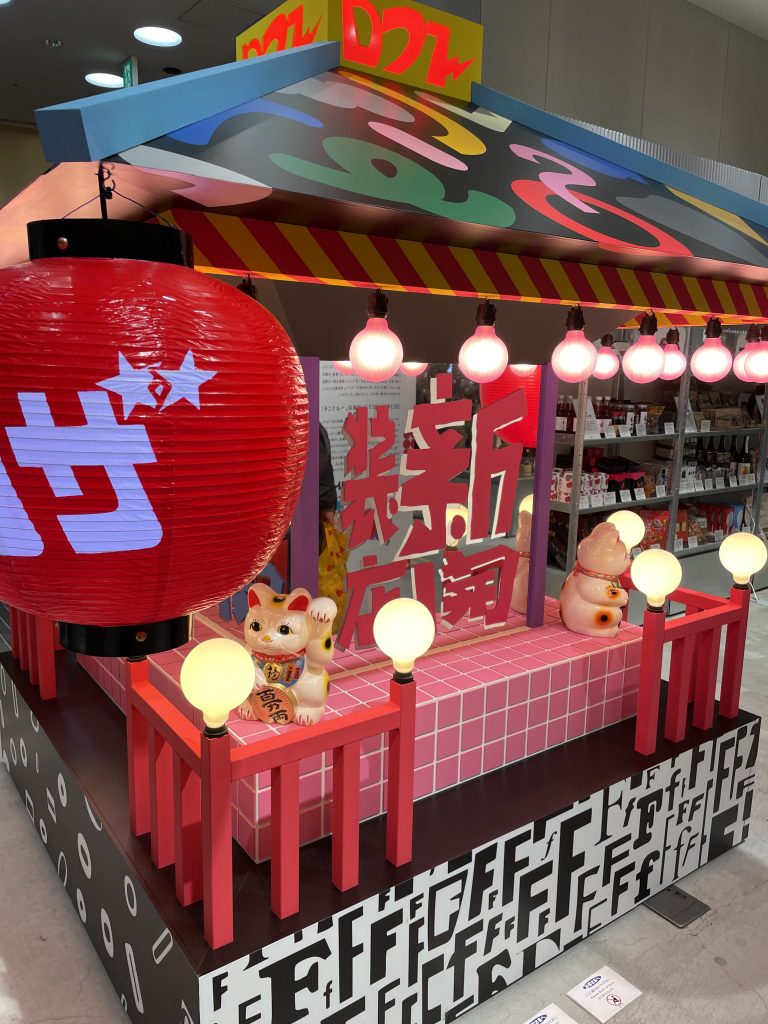
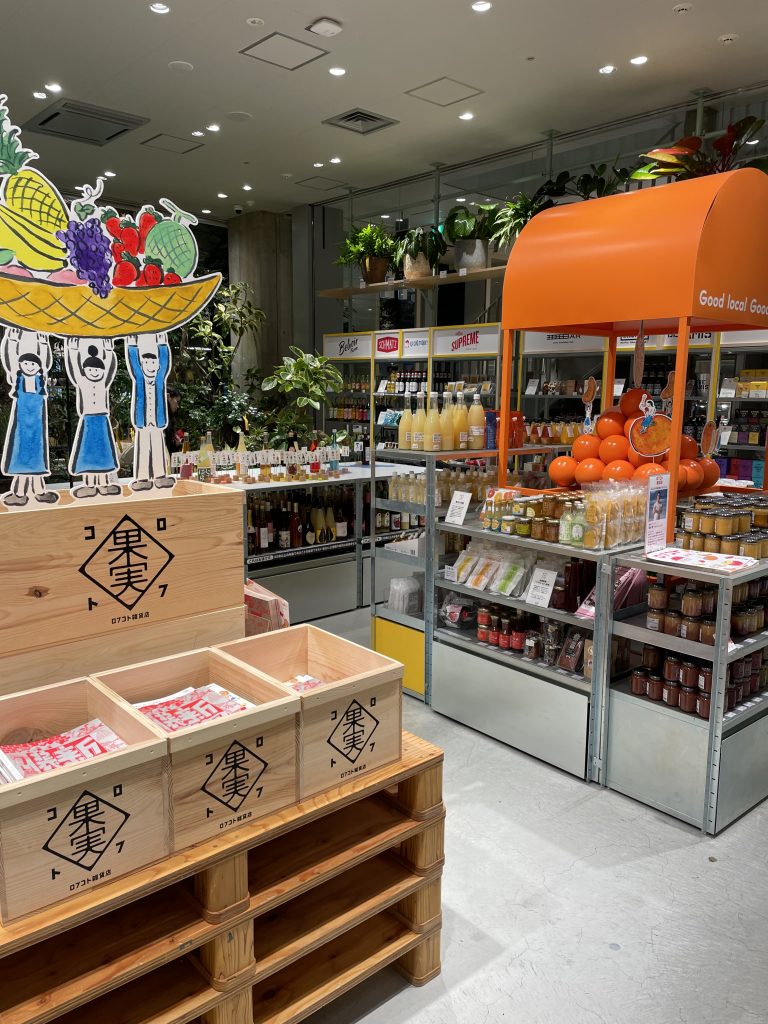
You will find the best presents in Ginza Loft, but I warn you, you will be spending a small fortune. They have the cutest selection of small sake bottles and jugs, that you can keep after drinking the sake. They have cosmetics, stationary, home and kitchenwear, and so many other goodies.
I’m not going to go through all the great stores but just stroll around and enjoy.
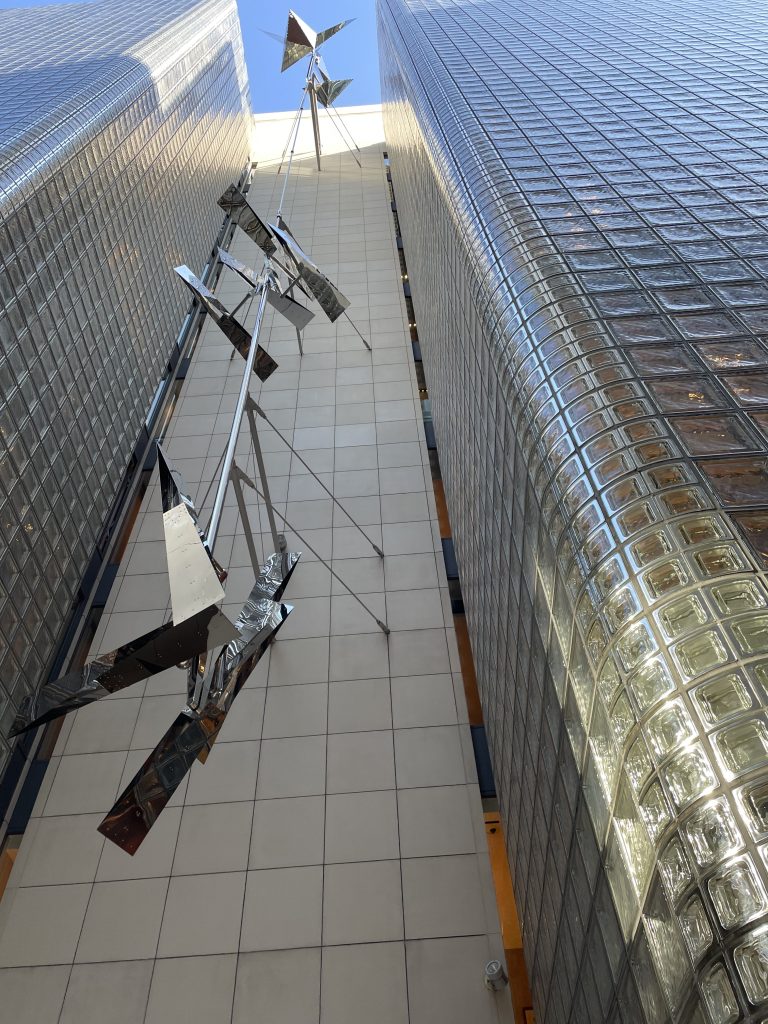
Even if you don’t want to get yourself a Louis Vuitton bag, you should check out their Espace Louis Vuitton in Shibuya, a glass box on the top floor of the Louis Vuitton building designed by Japanese architect Jun Aoki, that holds exhibitions of new contemporary artworks.
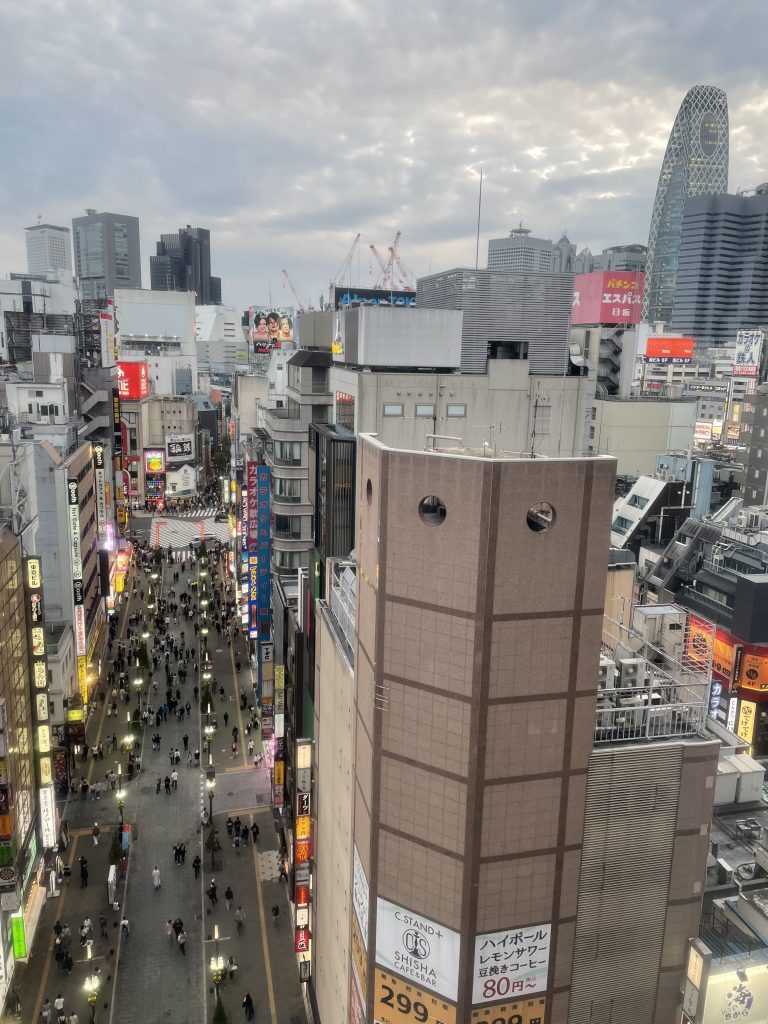
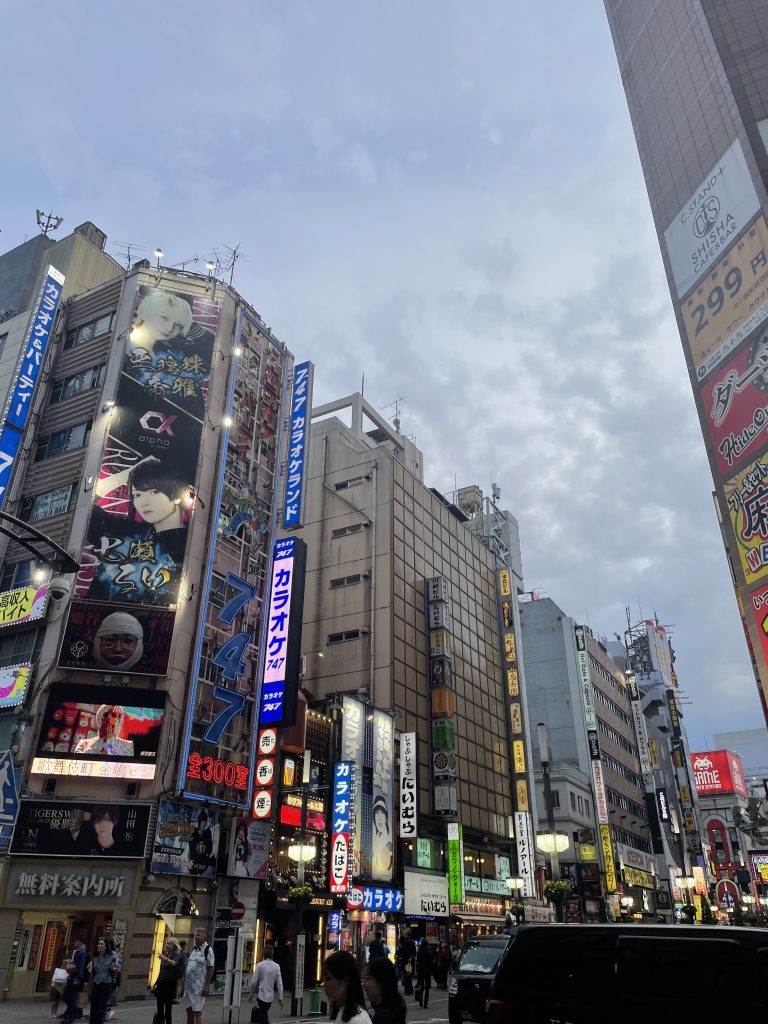
Hibiya Godzilla Square, Shinjuku
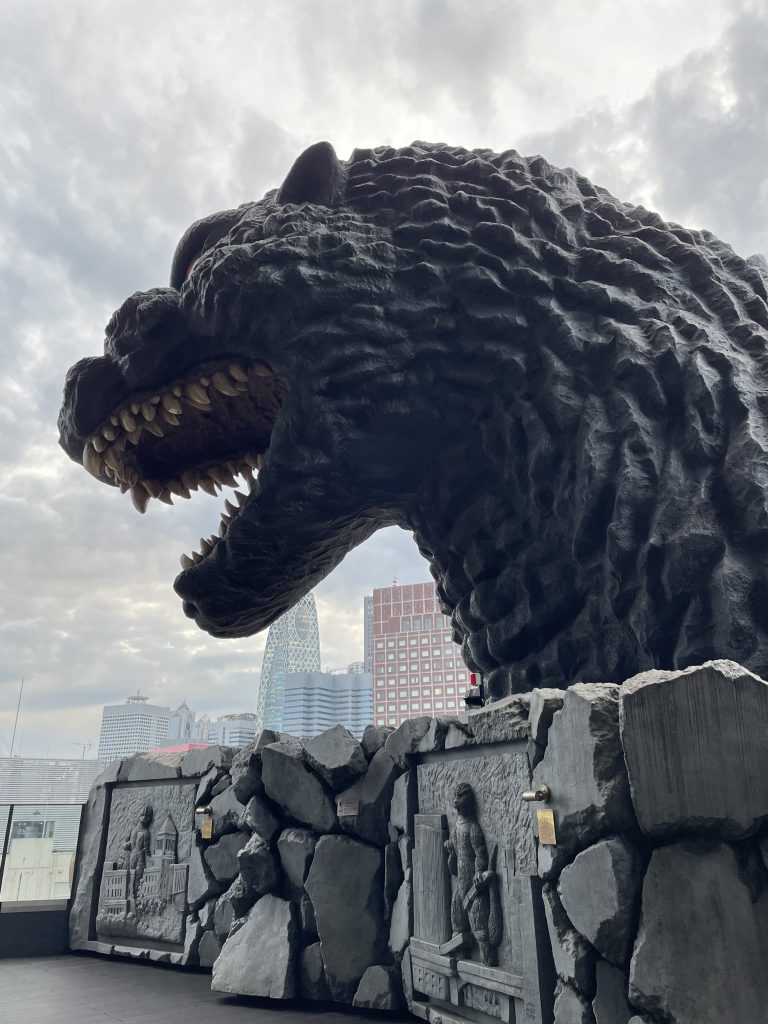
Hibiya Godzilla Square is in Shinjuku just a few blocks outside Ginza.
The Godzilla statue towers over the Toho Cinema in Shinjuku, and even roars from time to time with its eyes light up. We went up in the lift to the 8th floor to check him out where he is located on a terrace attached to the lobby of the Hotel Gracery Shinjuku.
The Star Gallery
On the basement floor of Hibiya Chanter you can check out The Star Gallery that displays the handprints of stars.
It is located just before entering Hibiya Chanter from the underground passageway at Tokyo Metro Hibiya Station (Hibiya Line/Chiyoda Line).
Shinjuku Gyoen National Garden
Shinjuku Gyoen National Garden was originally built as a garden for the Imperial family, but after the war it became a national park for everyone to enjoy for a small fee ¥500 (EUR 2,80).
On the grounds there are two lakes linked by a small river, overlooked by an Imperial Rest House that was a gift from Taiwan.
During sakura season in April, the park is home to over 1500 cherry trees full of beautiful pink cherry blossoms, and it becomes a very popular viewing spot.
In autumn, you can admire the chrysanthemum flower beds and arrangements on temporary display during this exhibition at Shinjuku Gyoen.
3D Cat Billboard
You have to check out the cutest 3D Cat Billboard, located just outside Shinjuku Station.
Watch how the playful cat poses, stretches and waves his tail with everyone else.
Tokyo Metropolitan Government Building
The Tokyo Metropolitan Government Building is often visited by tourists for its free observation decks. It was the tallest building in Tokyo until it was overtaken by the Midtown Tower in 2007.
On sunny and clear days, you can spot famous landmarks such as Mount Fuji, the Tokyo Skytree, Tokyo Tower and Meiji Shrine.

Chūō Nihonbashi: Pokémon Store
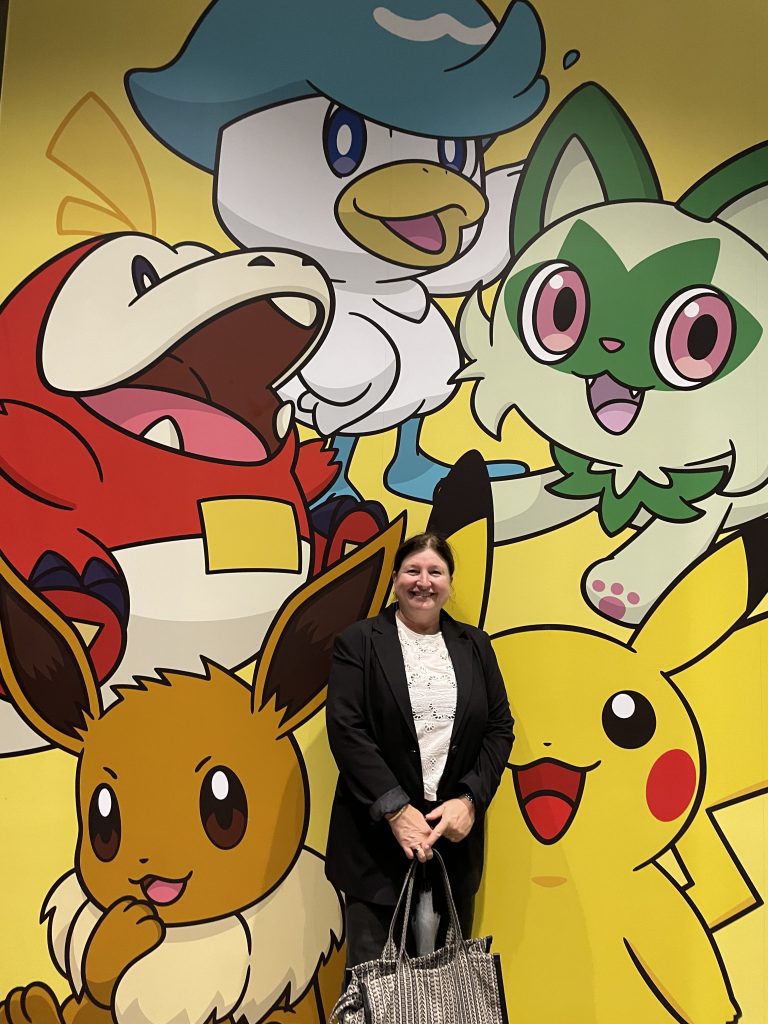
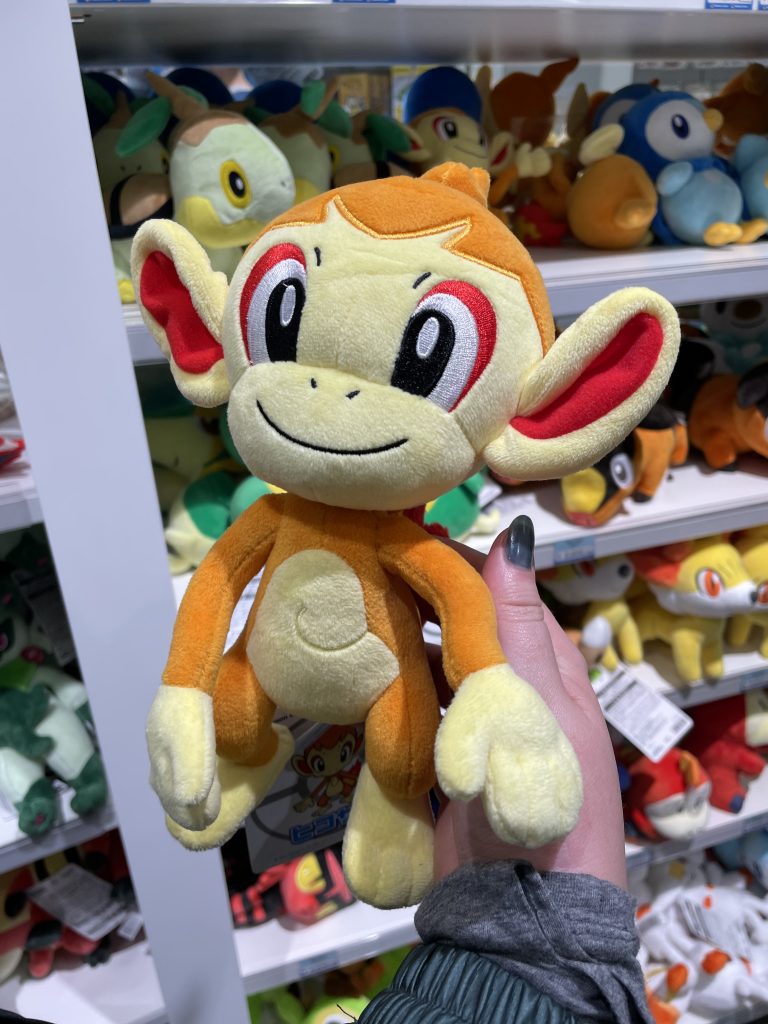
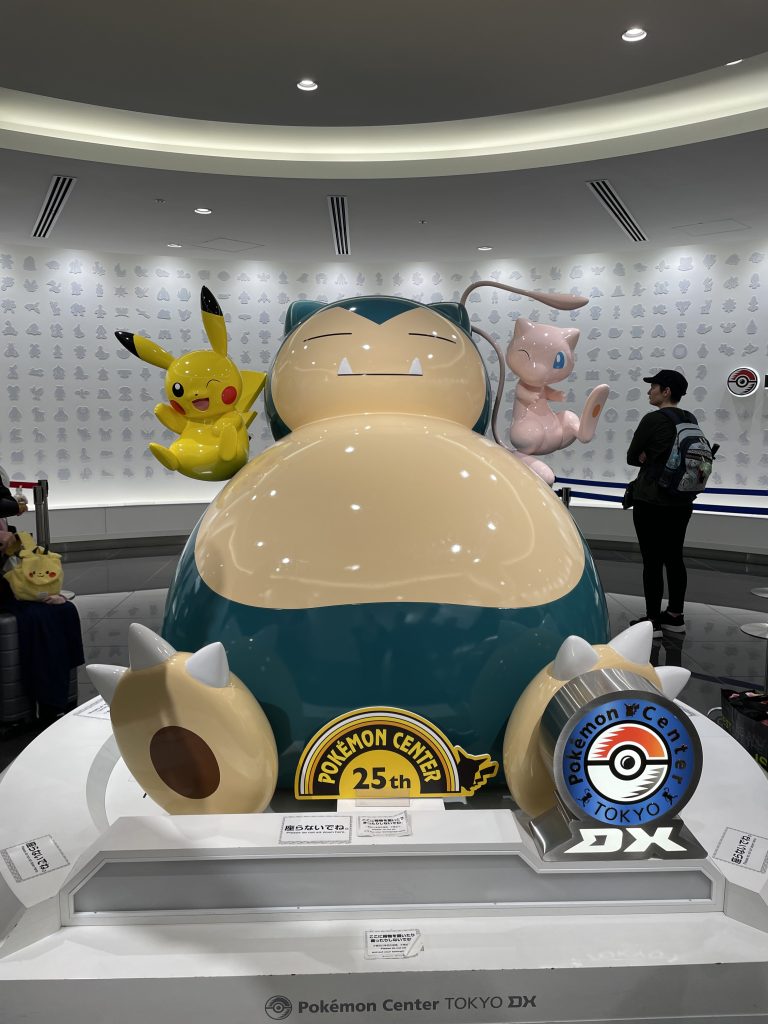
We completely immersed ourselves in the ‘Pokémon’ world with a stay in the Pokémon room at the Mimaru Tokyo Ginza East and a visit to the Pokémon Center Tokyo DX & Pokémon Cafe. It was full of them, wherever you looked on the shelves, the walls and even the food in the cafeteria.
Shibuya
Shibuya Crossing
There is no need to introduce Shibuya Crossing, it’s so iconic. To be honest, I did not expect that many people crossing at the same time, most of them filming on their phone including me. We probably crossed 3 times just for fun and once without filming to pretend we were locals.
Hachikō statue
If you follow the paw prints at Shibuya Station you will get to Hachikō, this dog is Shibuya Station’s mascot. Every day Hachikō waited patiently at the station for his master to come home from work. After the owner died, Hachikō continued to wait in the same spot every day until his own death.

3D billboards
From Shibuya Crossing, on Shibuya Center Street above Yamashita Honki Udon look for Shibuya’s adorable 3D panda billboard.
Shibuya Sky
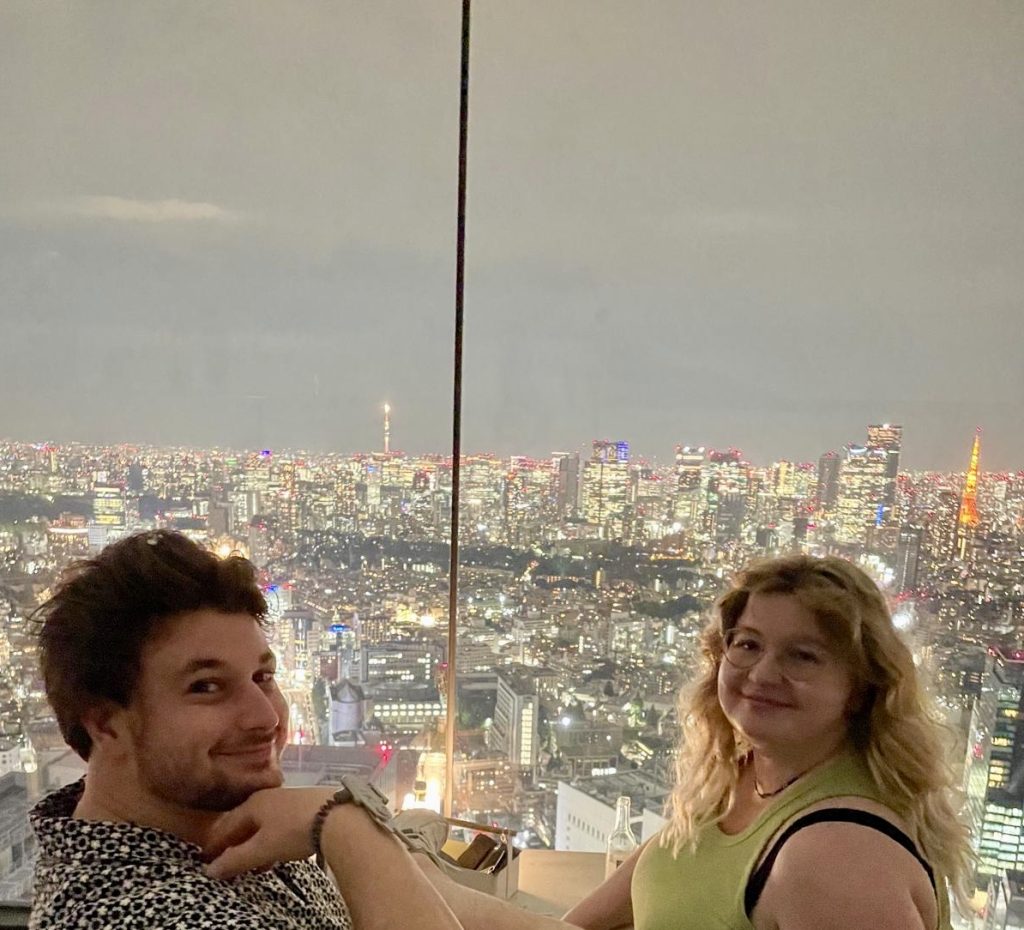
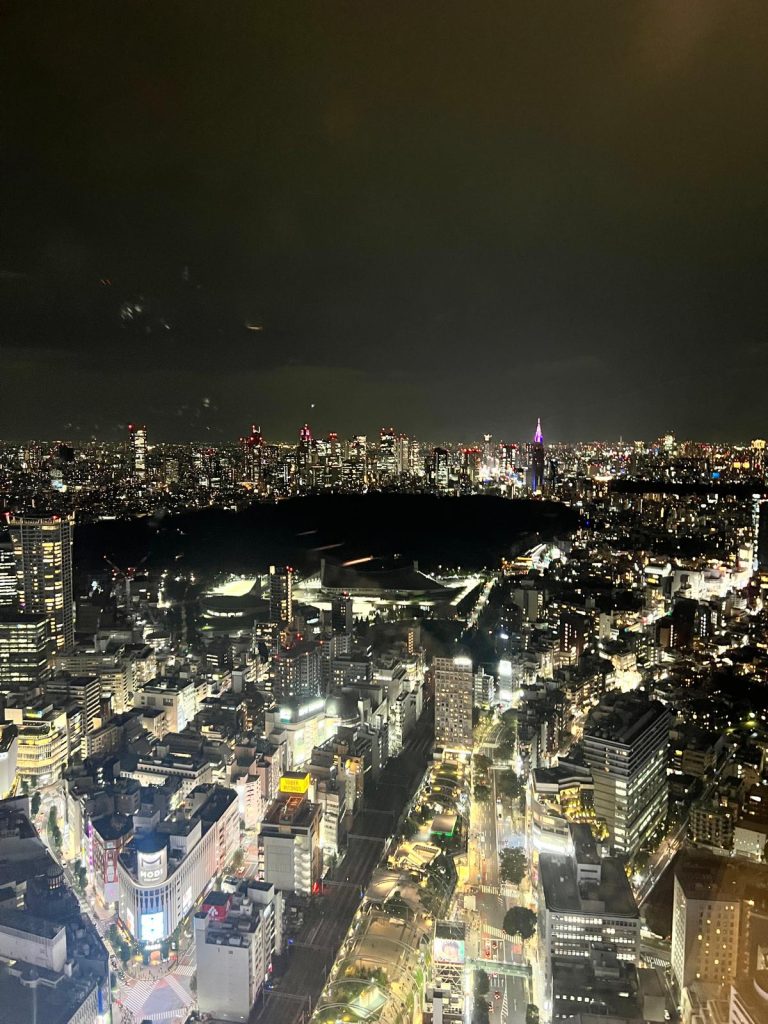
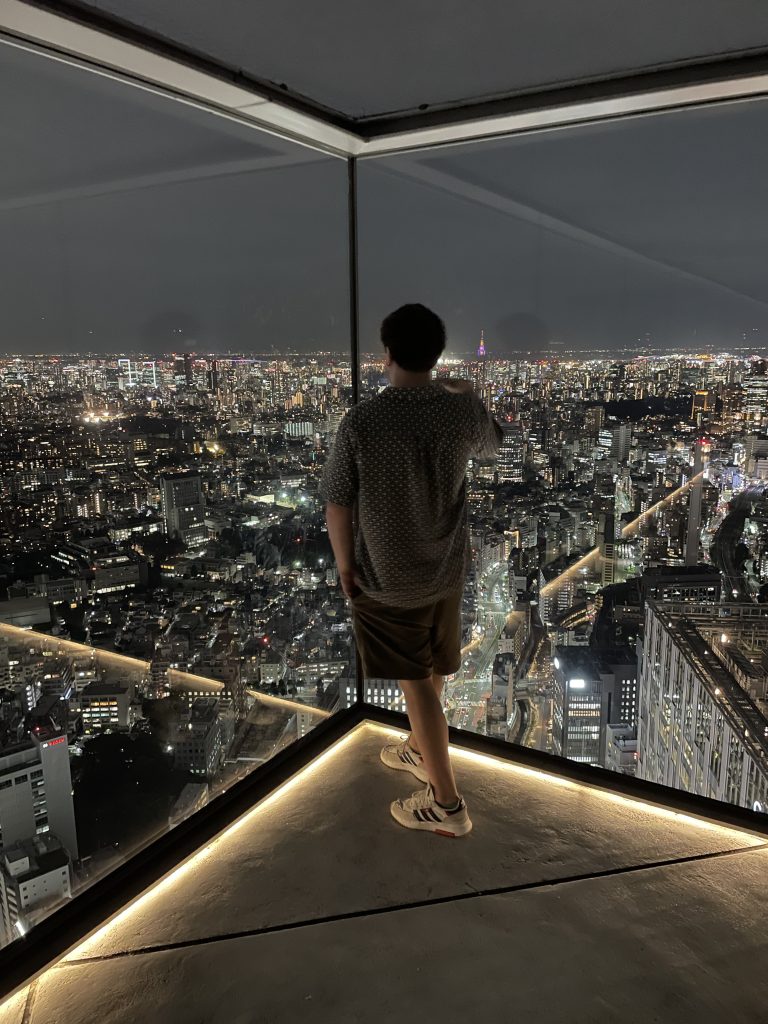
We splashed out for the Shibuya Sky attraction and added the roof seat with champagne. It was well worth it, not only do you get to sit down and drink whilst enjoying the view, but you also have access to a corner of the roof to take photos without any queue.
It usually opens from end of April till Christmas day and the opening hours also vary according to the time of year.
Meiji Jingu
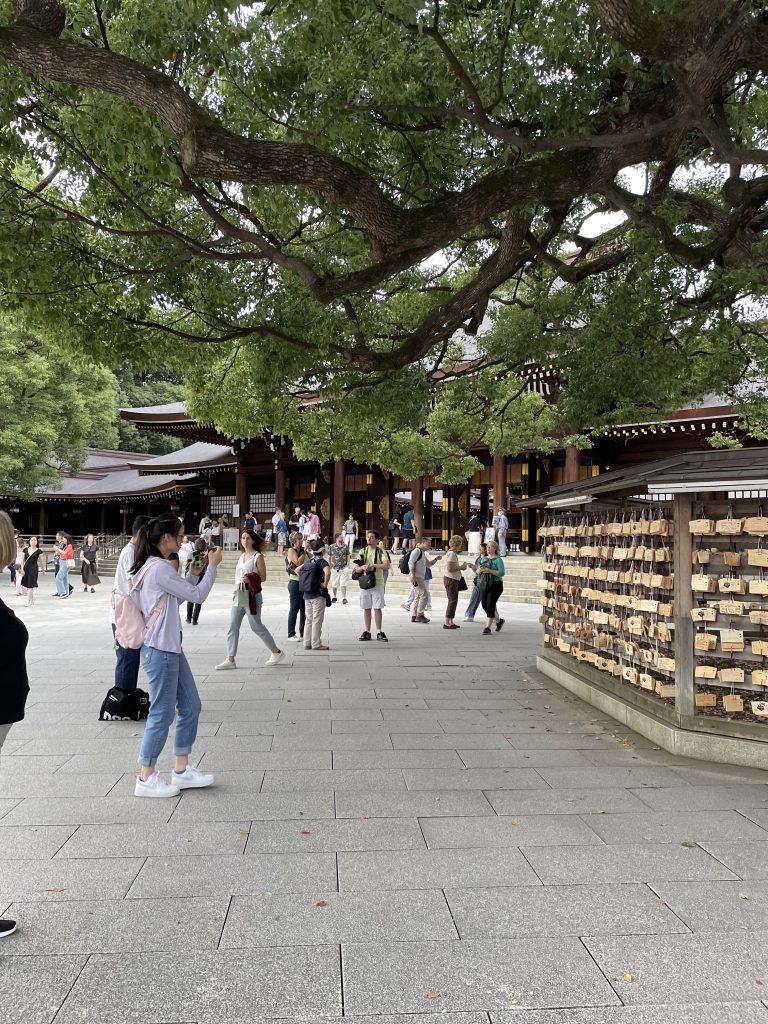
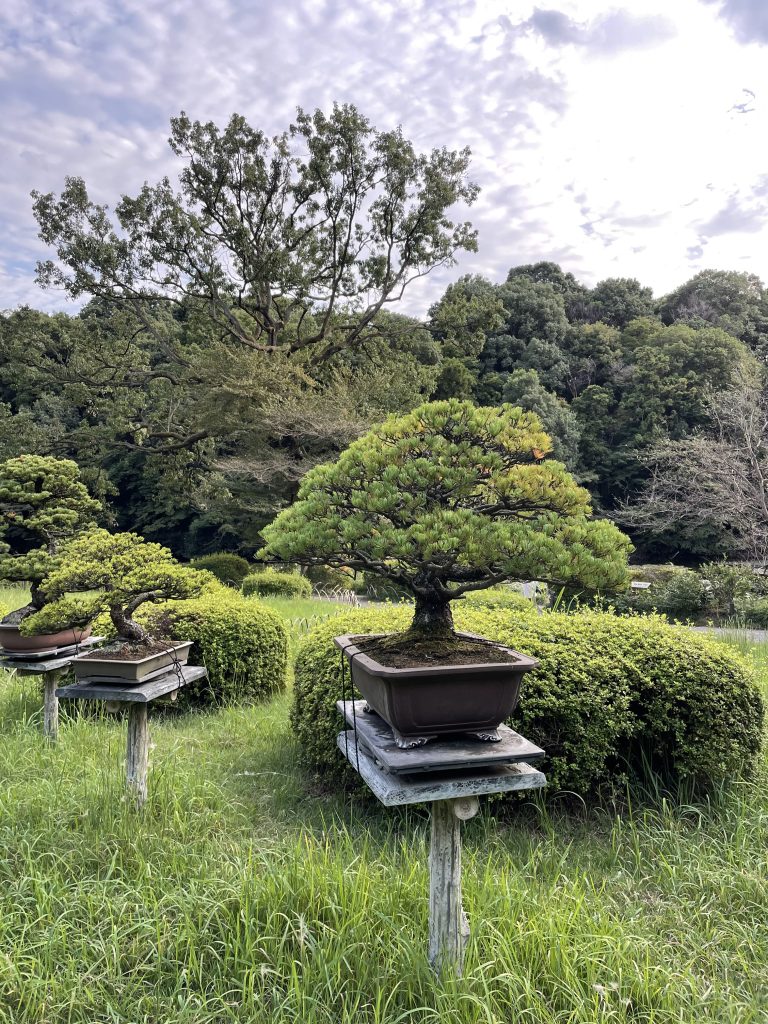
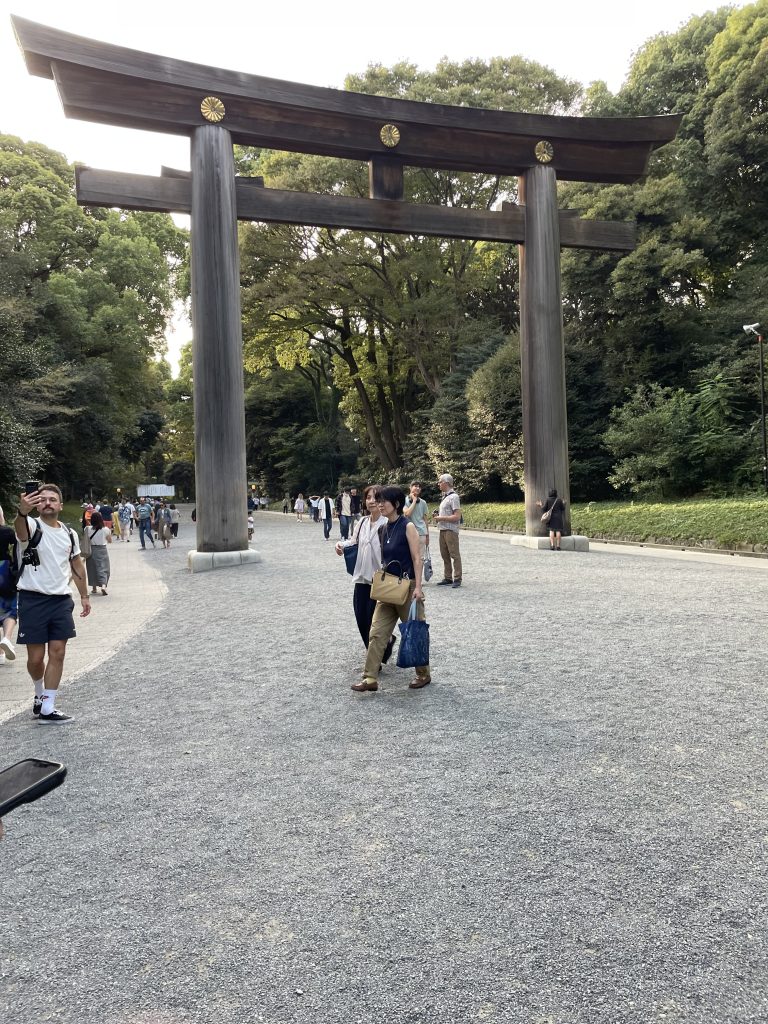
This Shinto shrine is surrounded by forest and gardens, a very welcome breath of fresh air in the big city. The sacred forest is completely human-made with 170,000 trees donated from around the country and planted by volunteers in 1920’s.
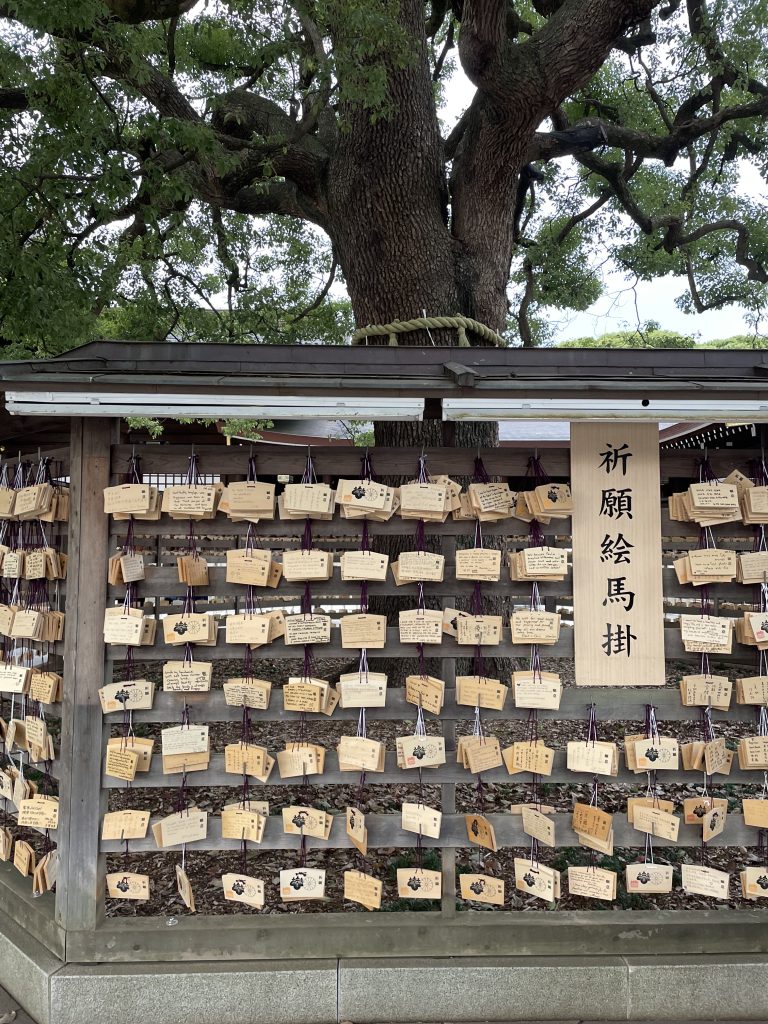
Just like Sensō-ji, you have a purification fountain before entering the sacred area near the main sanctuary. You will also find a wall of small tablets conveying visitor’s gratitude and wishes to the gods. You can buy them at the counters of the shrines.
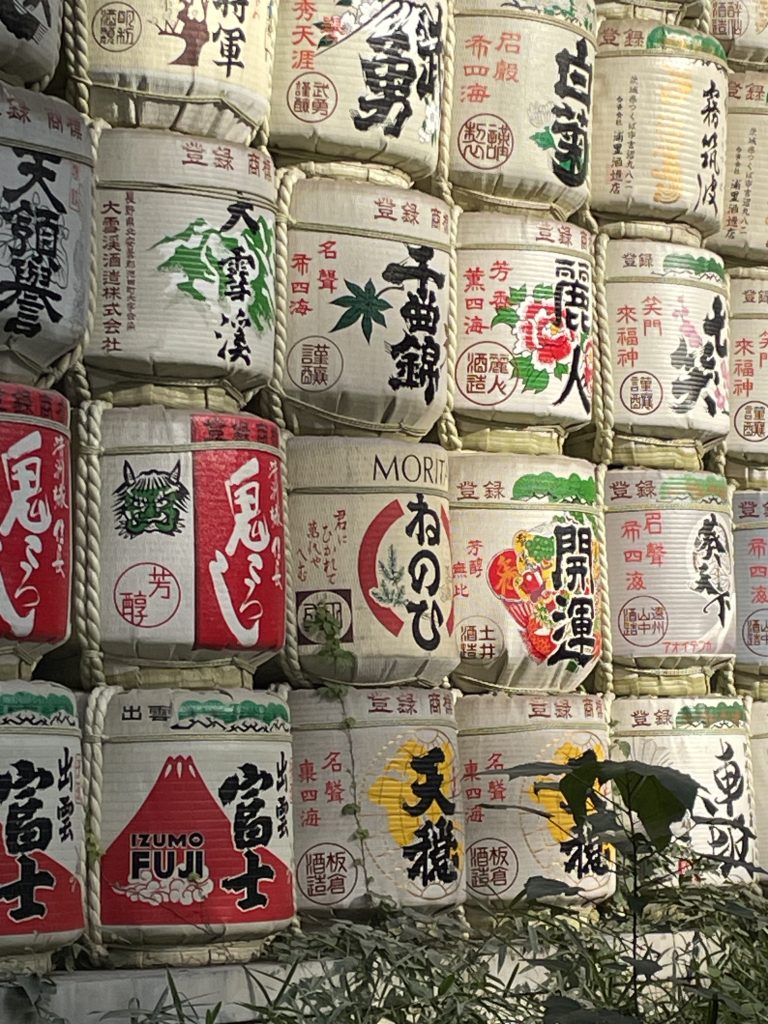
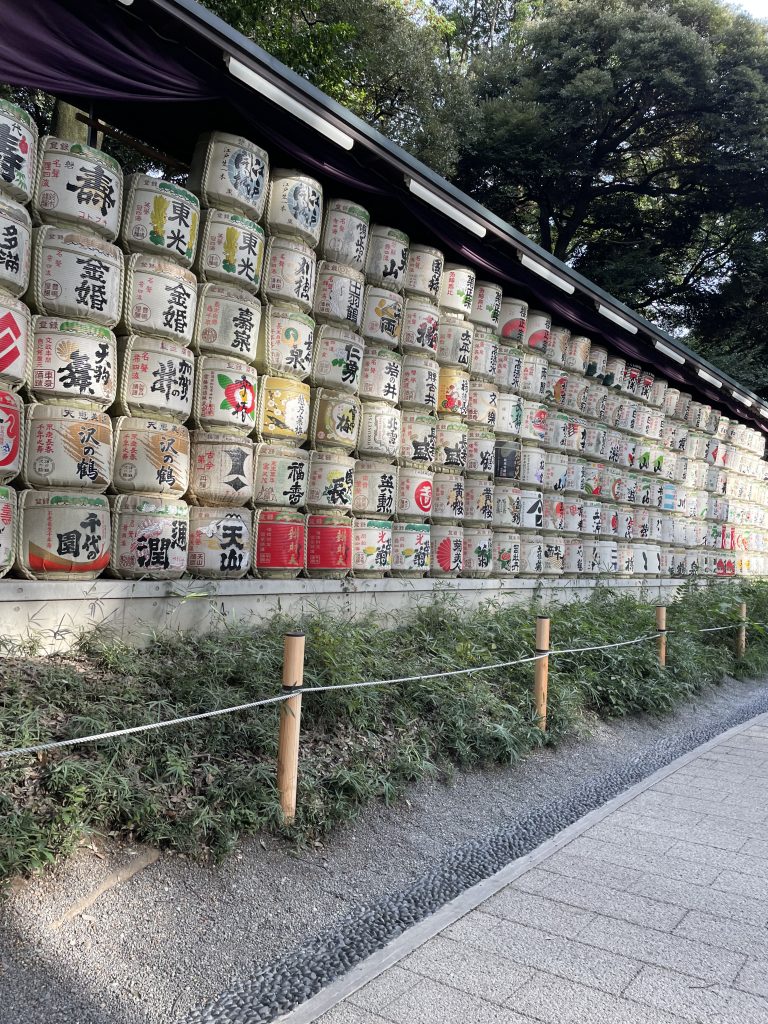
Apart from the sanctuary, you must see the sake barrels along the gravel road entrance to Meiji Jingu.
Akihabara & Shinjuku
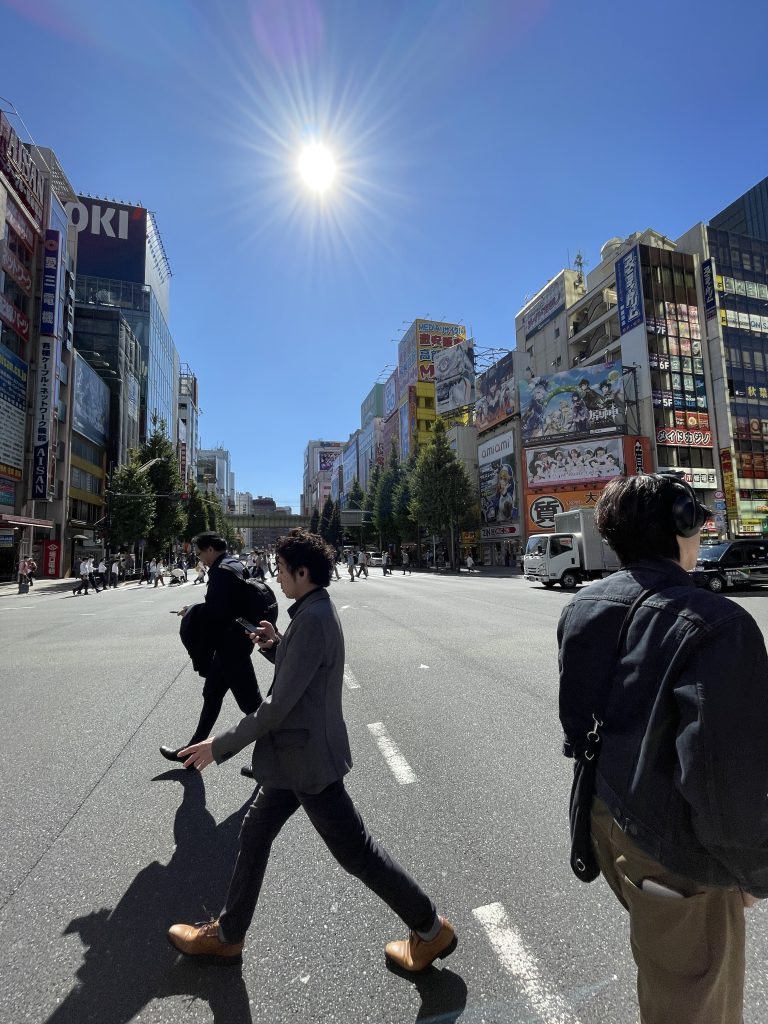
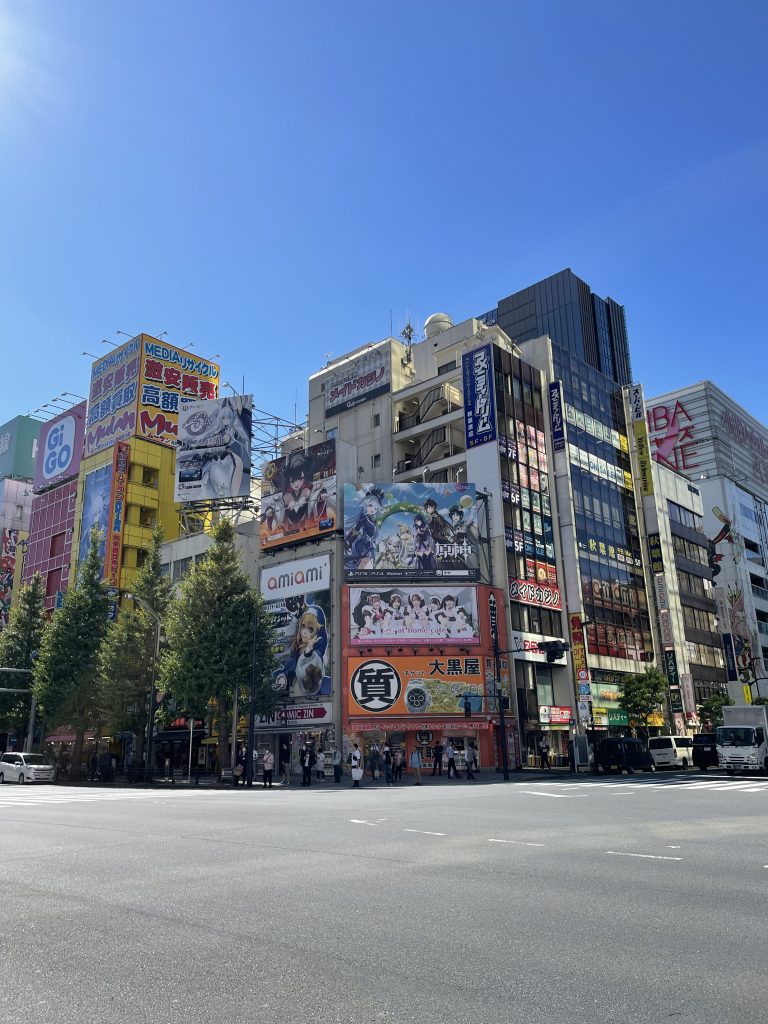
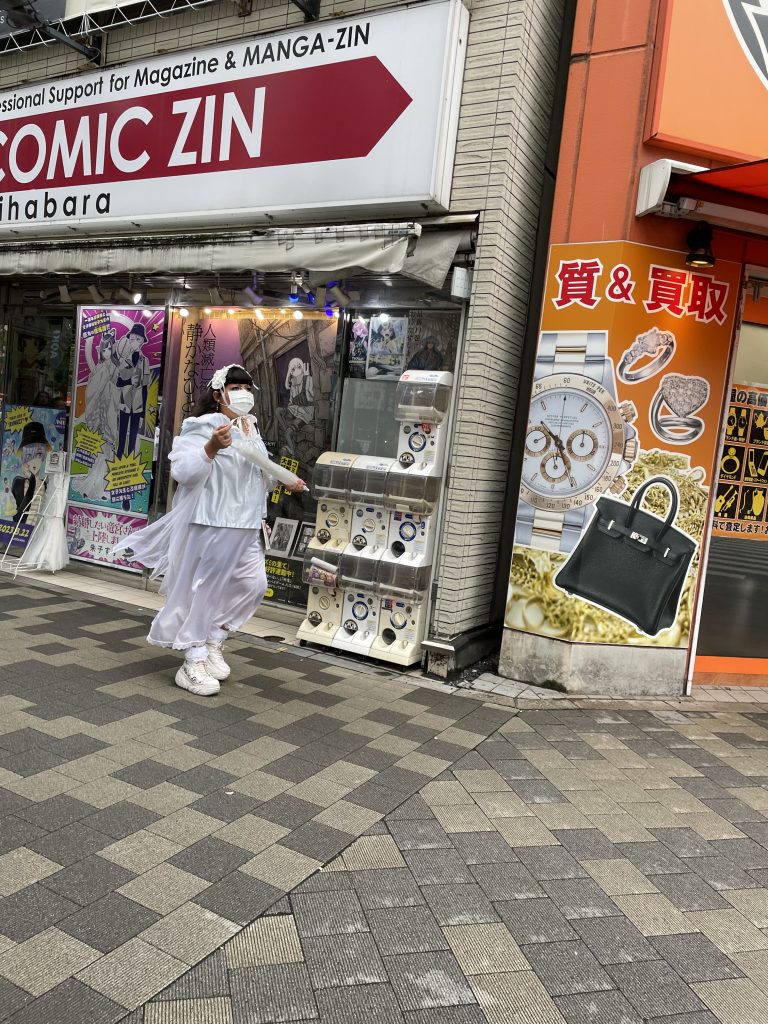
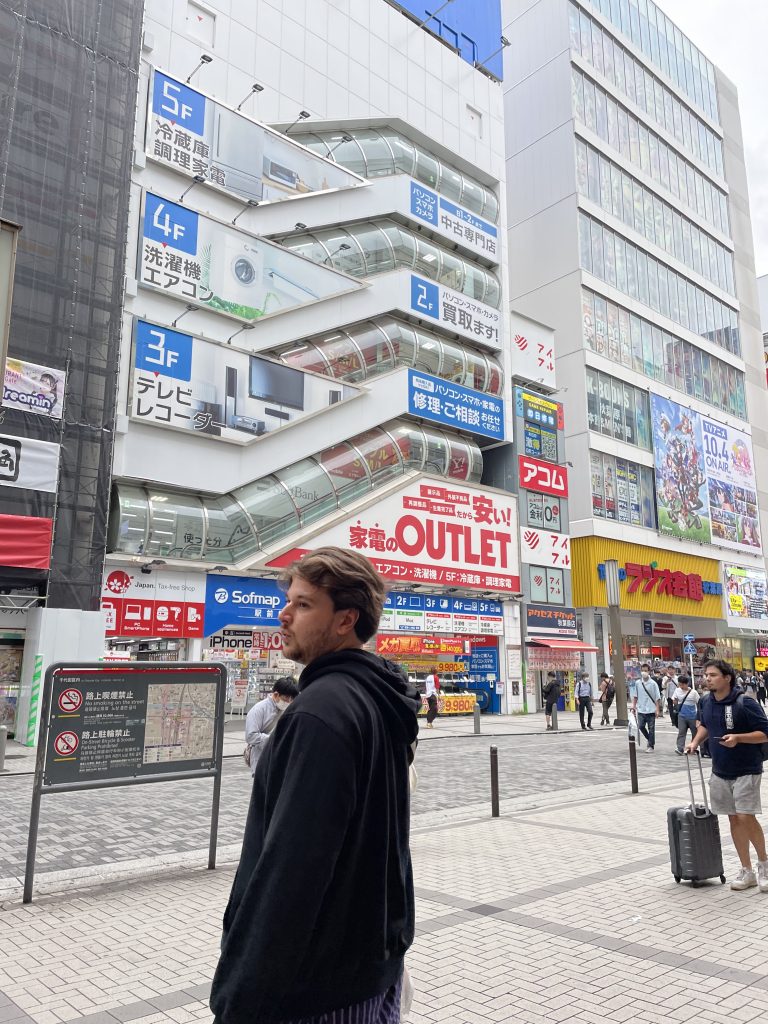
Akihabara and Shinjuku are Tokyo’s dazzling district of digital delights, my map of Tokyo highlights the stores in green.
The streets are lined with electronics stores, anime emporiums, and gaming havens, decorated with larger-than-life anime characters and colourful advertisements. Pick a colour and you’ll find it!
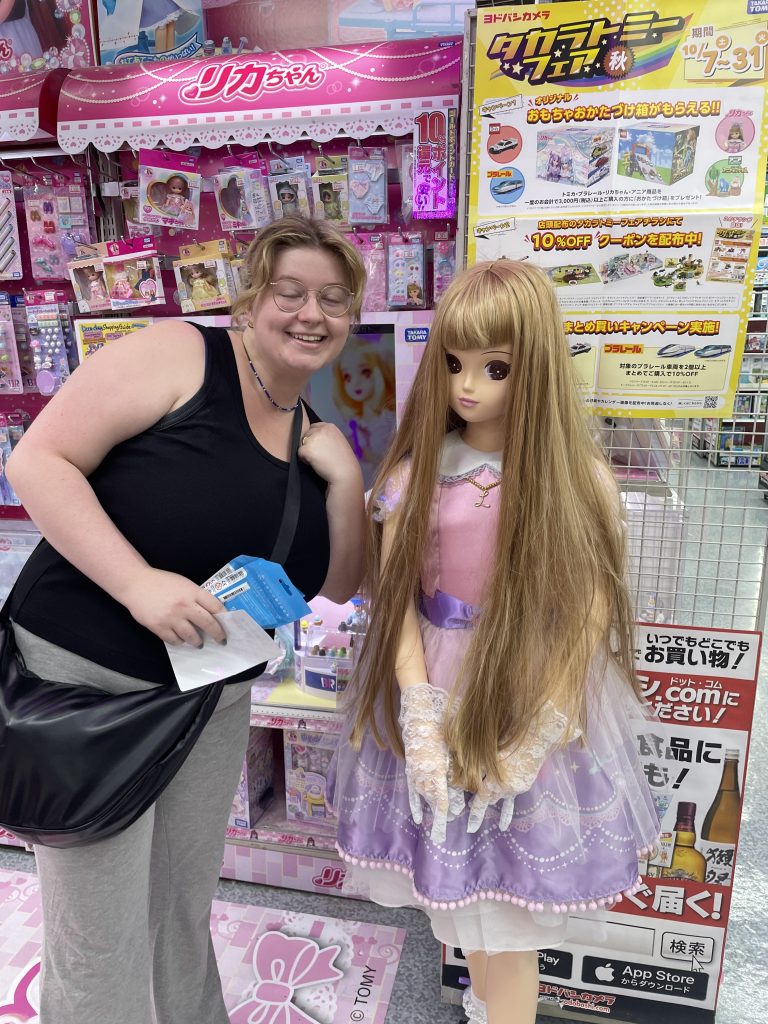
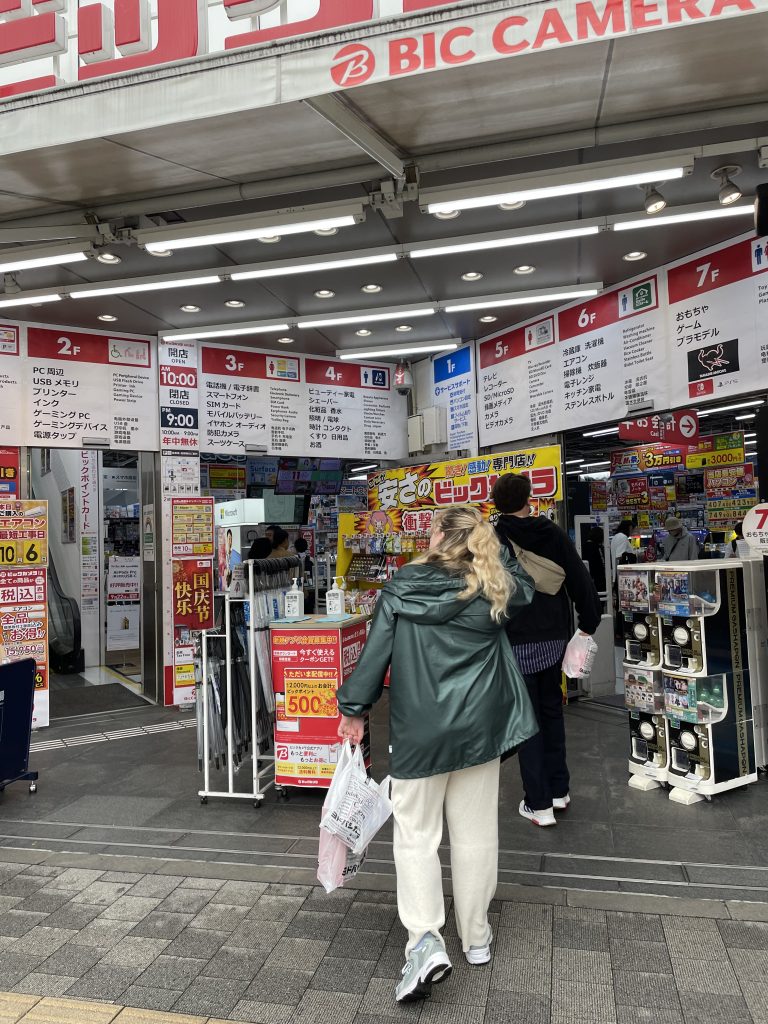
Here are some of the electronics and gaming stores that we went to:
- Yodobashi Camera: Nine floors of every gadget imaginable
- BicCamera: A maze-like wonderland of electronics
- Super Potato: Retro gaming paradise
- Club SEGA: arcade games and crane machines
Koto TeamLab Planets
I was not convinced of this attraction, figuring it was a little gimmicky but boy was I wrong! I do advise you to book it well in advance.
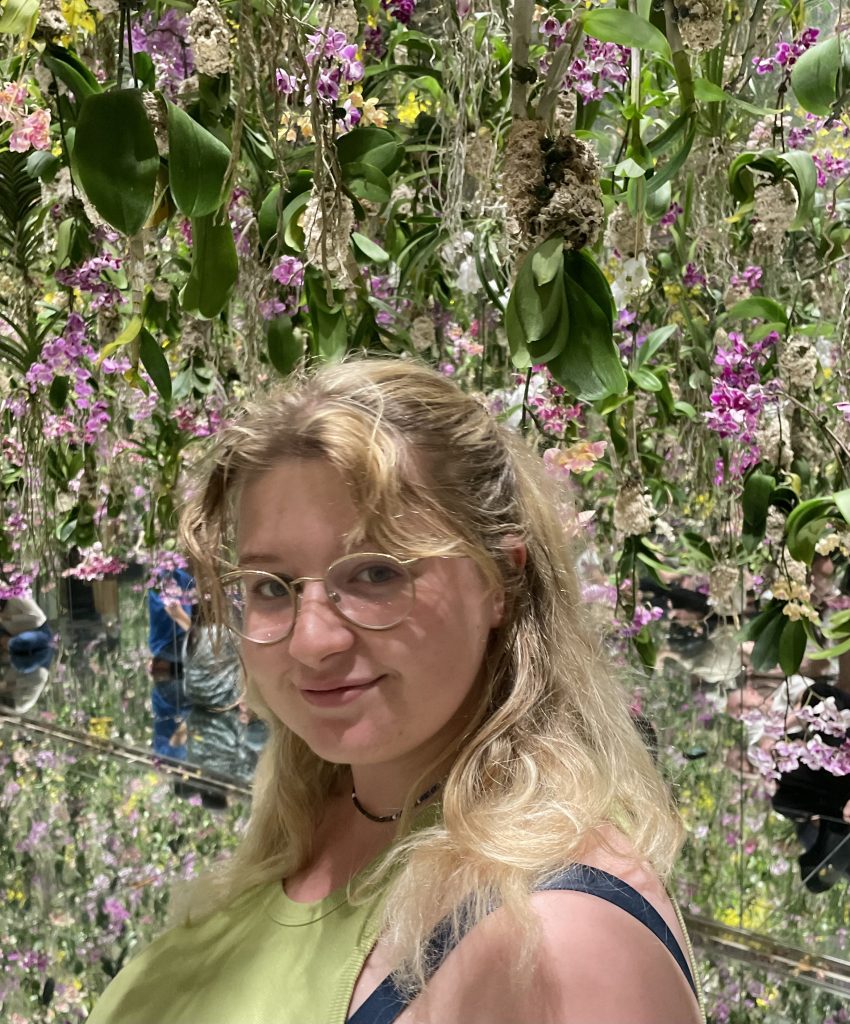
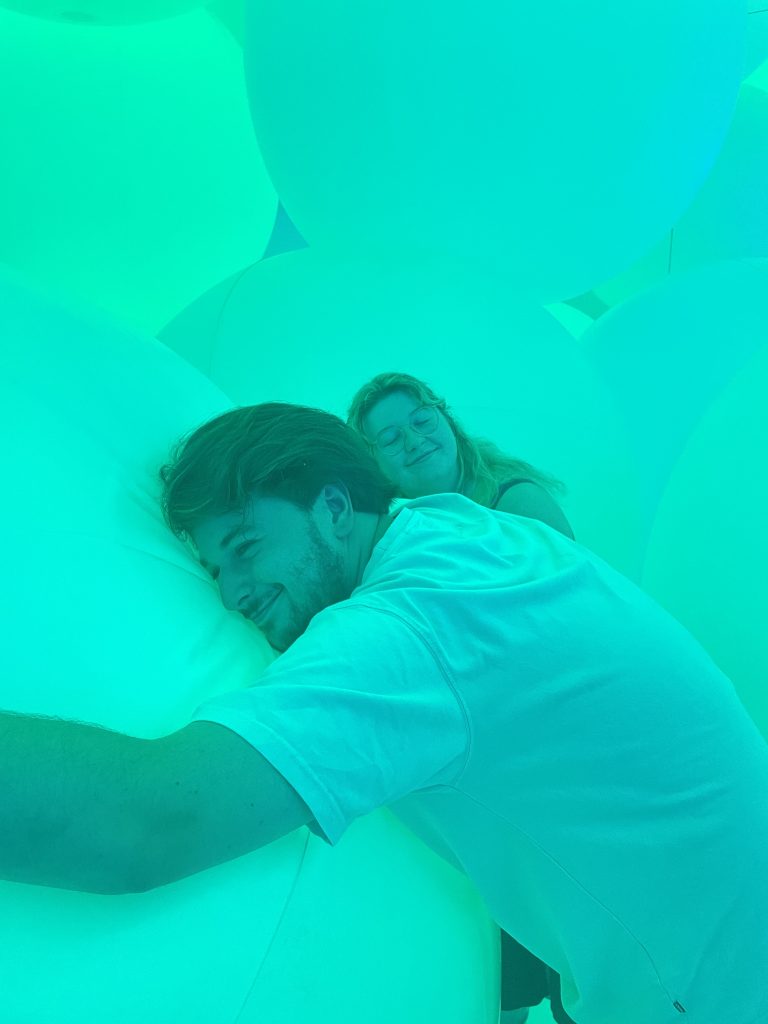
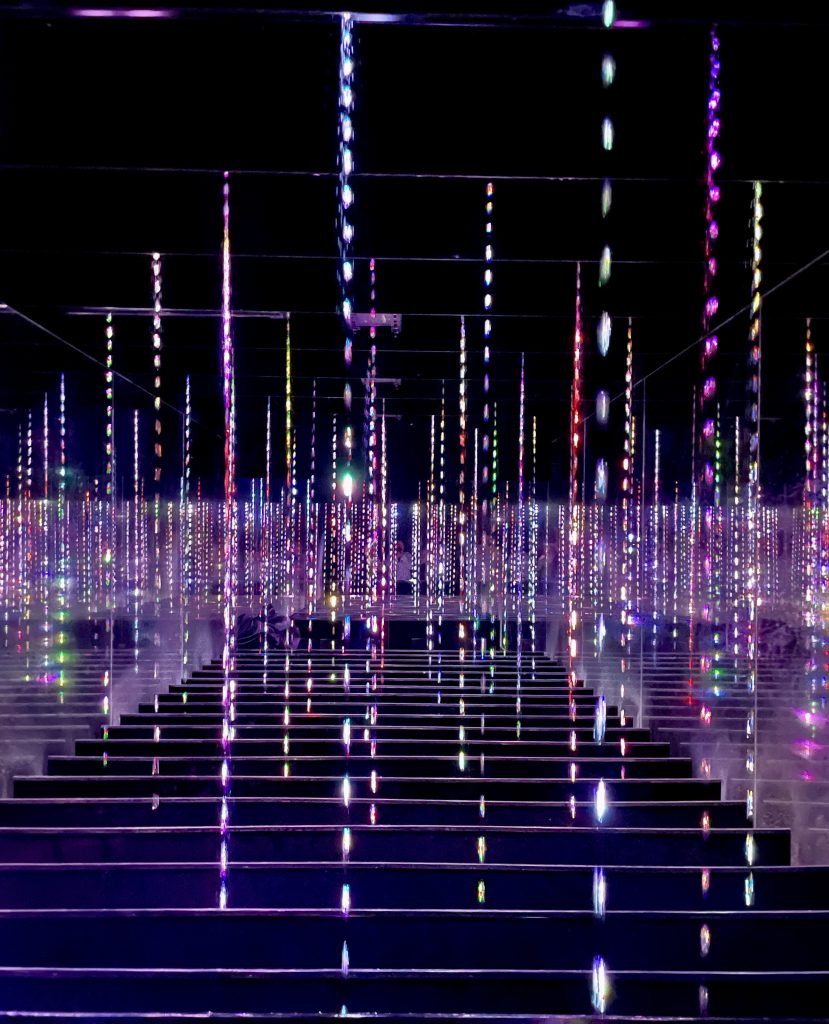
TeamLab is an interactive museum full of artworks, where you get to immerse yourself in a room called Infinite Crystal Universe, another one filled with spheres of light, a floating flower garden and many others. Just to let you know you need to take your shoes for some attractions.
We got to spend over 2 hours enjoying each room and I would highly recommend you take your time and enjoy it.


Written by Elene Riordan
Welcome to Travelling Cooks! I’m Elene, a 50-ish-year-old British-Belgian woman living in Brussels, surrounded by my beautiful friends and family. This blog is a celebration of my three great passions—travel, restaurants, and cooking. Enjoy!