
Kyoto Travel Guide: Temples, Bamboo Forests & River Walks
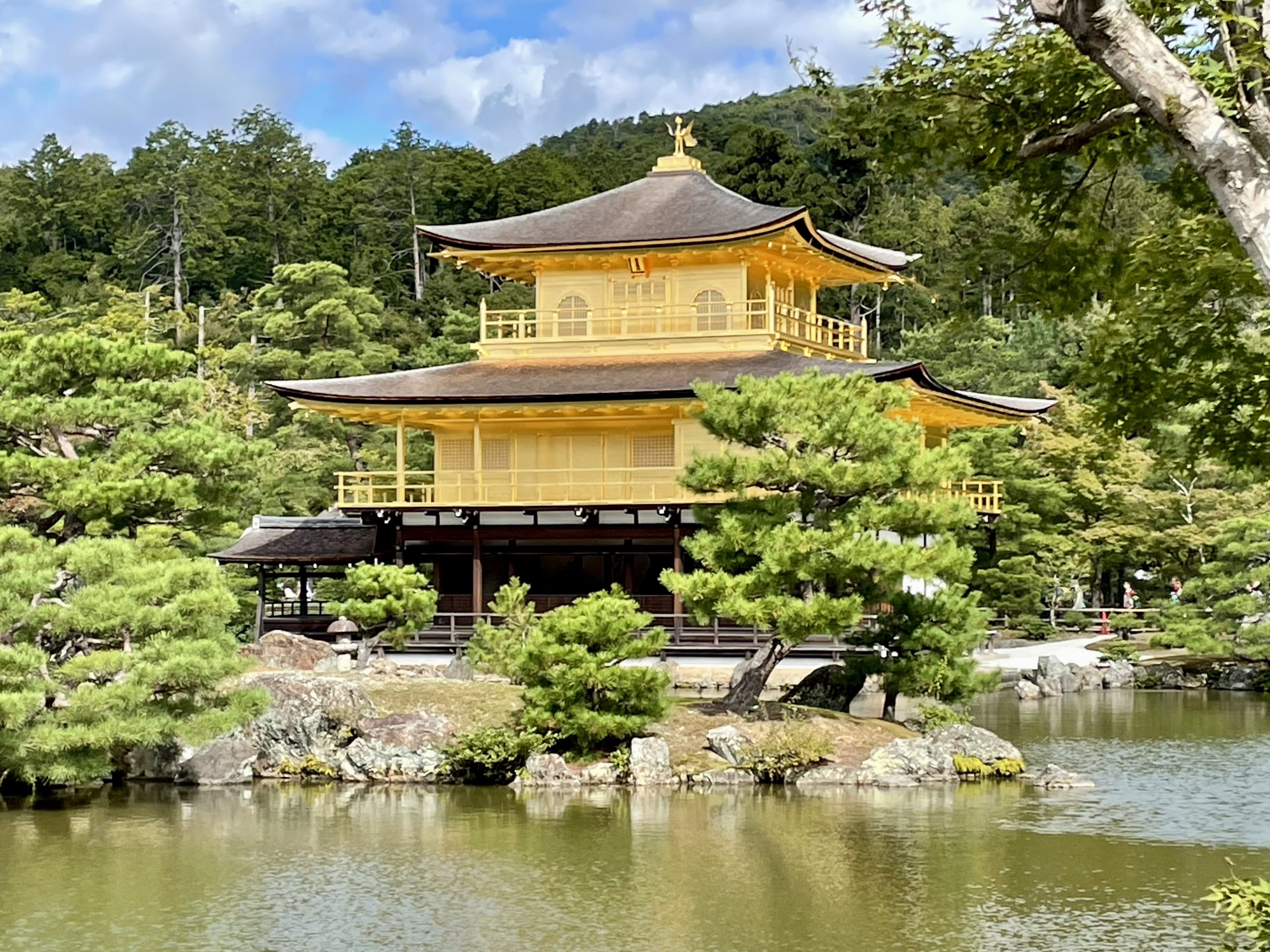
After celebrating a birthday on Naoshima, Japan’s Art Island and spending a night at the iconic Benesse House, we made our way to Kyoto.
Kyoto is a fascinating mash-up of ancient temples, Zen gardens, and bamboo forests, like stepping back in time, balanced with trendy coffee shops and world-class restaurants.
If you’re planning a visit, here’s how to get there, where to stay, and what not to miss in 5 days in Kyoto.
You can also check out the post for the Restaurants, bars and cafés in Kyoto
I have created a map with all the places mentioned below, the restaurants, bars and cafés and a few walking suggestions.
How to get from Naoshima to Kyoto
Getting from Naoshima to Kyoto takes a few steps, but it’s straightforward:
- Ferry – Naoshima Port → Uno (not covered by JR Pass)
- Train – Walk 3 min to Uno Station → Unominato Line (50 min) → Okayama Station
- Shinkansen – Okayama → Kyoto (covered by JR Pass)
Send your luggage ahead with Yamato. Ours was waiting at our hotel in Kyoto when we arrived.
Where to Stay in Kyoto
We stayed at Caesar Gion Hotel, perfectly located in the Higashiyama district, just steps from Yasaka Pagoda and Kennin-ji Temple.
Part of the Real Kyoto Japan group with excellent service and authentic style.
Spacious queen room (double bed + futon for 3 adults)
Washing machines/dryers on every floor (a lifesaver on long trips!)

What to See in Kyoto
We stayed 5 nights in Kyoto, which gave us time to explore the city at a slower pace. Here are the highlights:
Arashiyama District
On the far west side of Kyoto, along the Oi River, you’ll find the Arashiyama Bamboo Grove and several important temples.
- Tenryu-ji Temple (UNESCO World Heritage) – stunning Zen garden
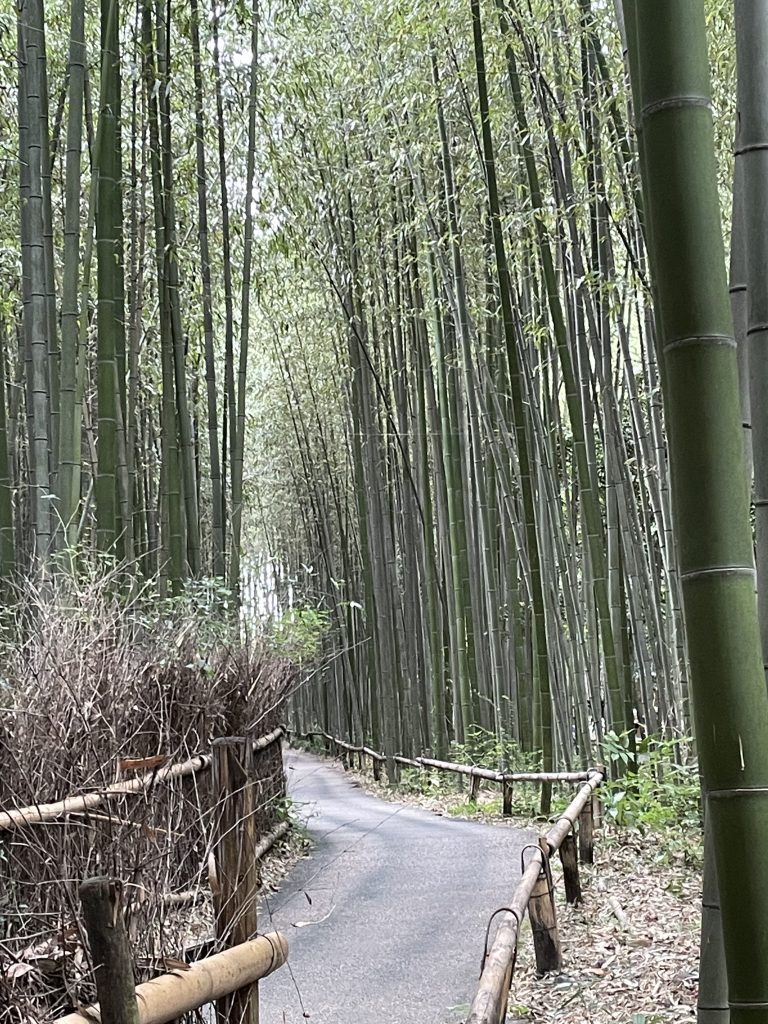
- Bamboo Grove – best visited early morning or evening to avoid crowds
- Rickshaw Tour – with GetYourGuide you can take a rickshaw through hidden bamboo paths and temples
- Togetsukyō Bridge – classic riverside photo spot
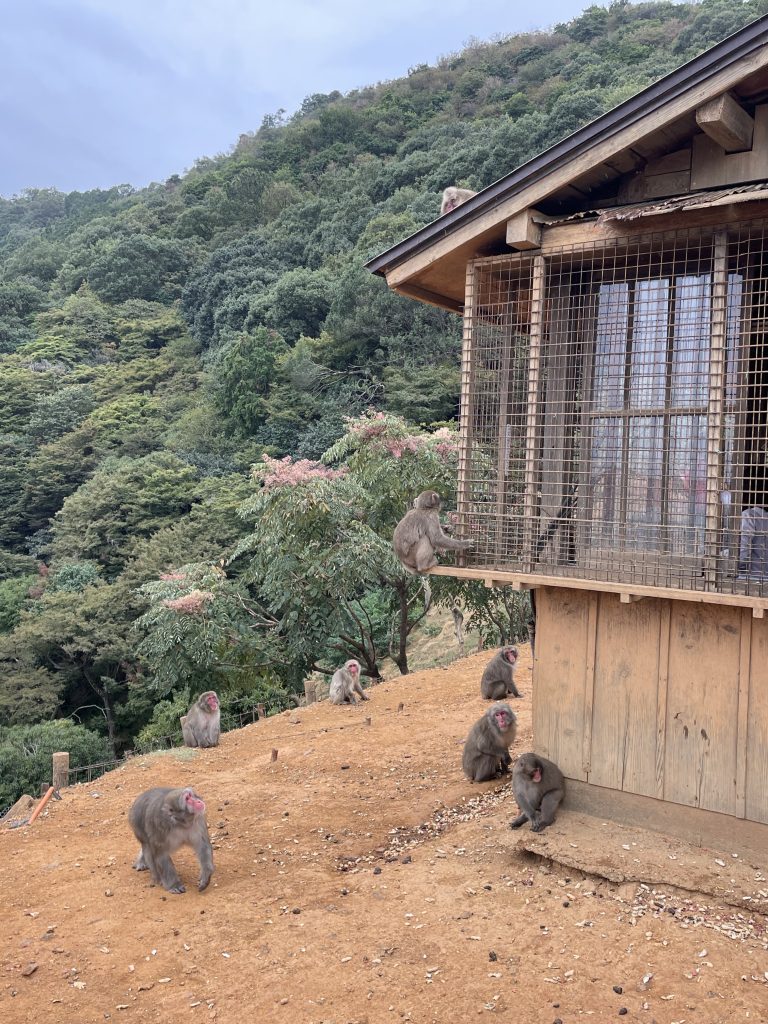
- Iwatayama Monkey Park – climb for sweeping views of Kyoto (and cheeky monkeys!)
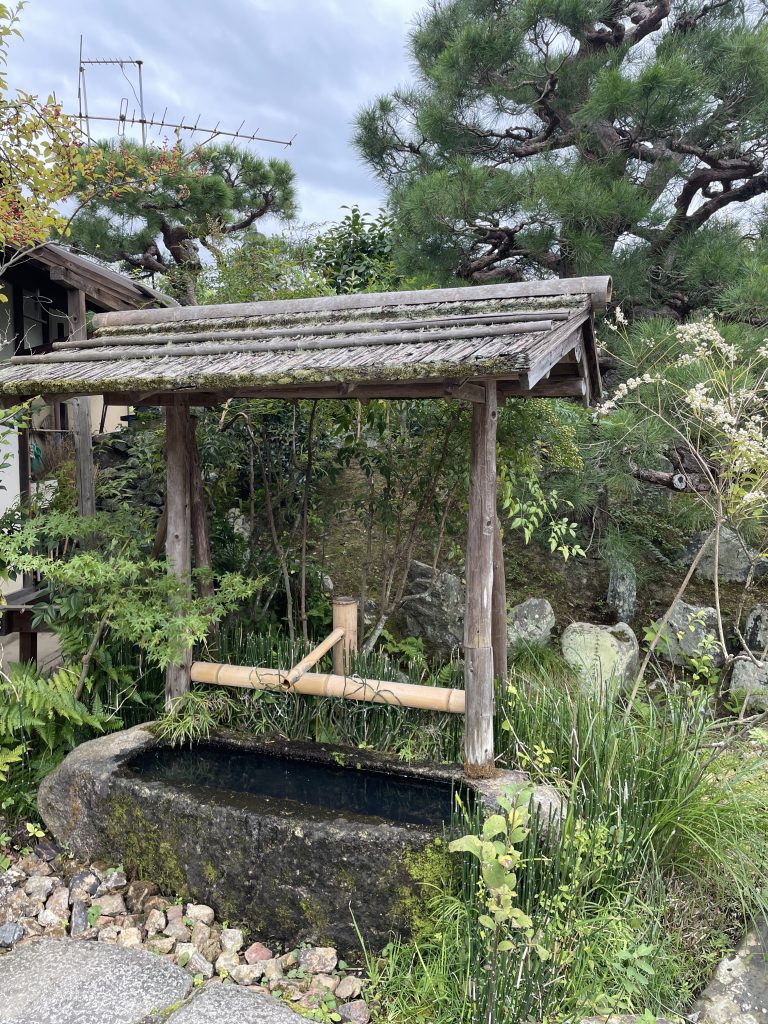
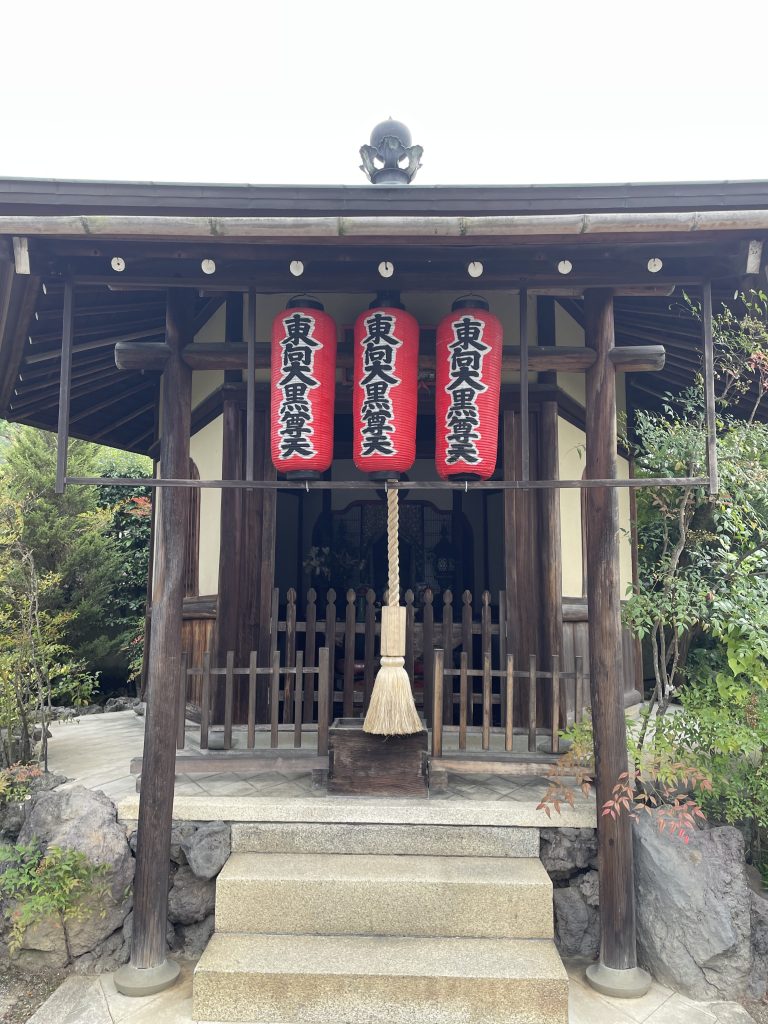
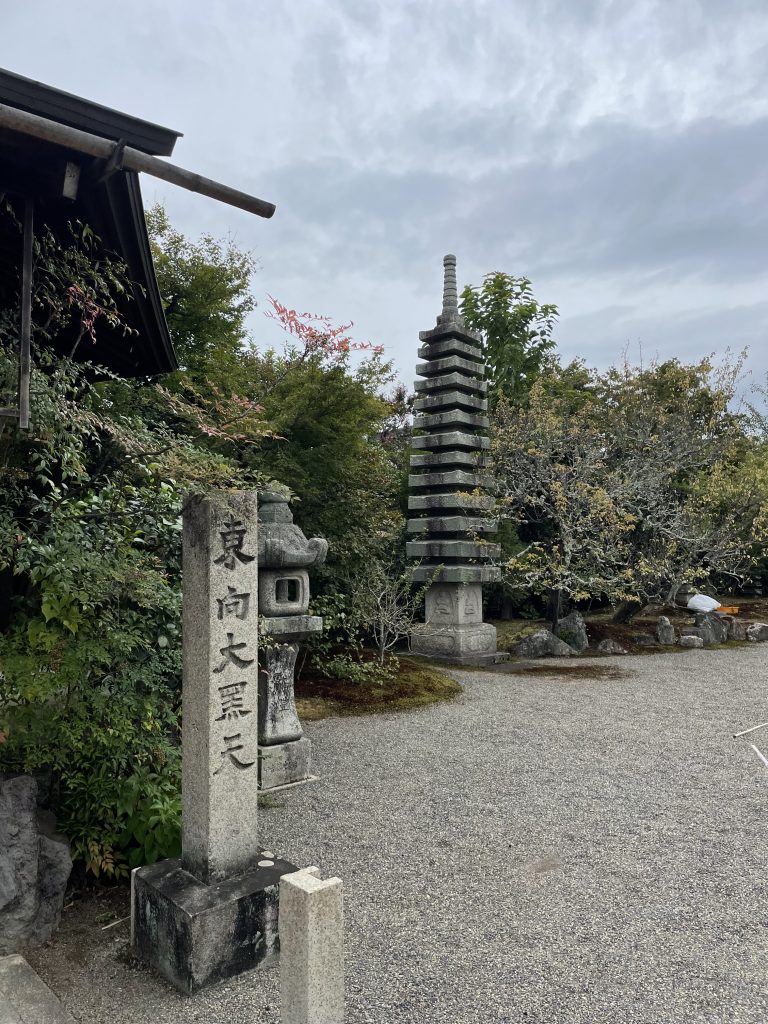
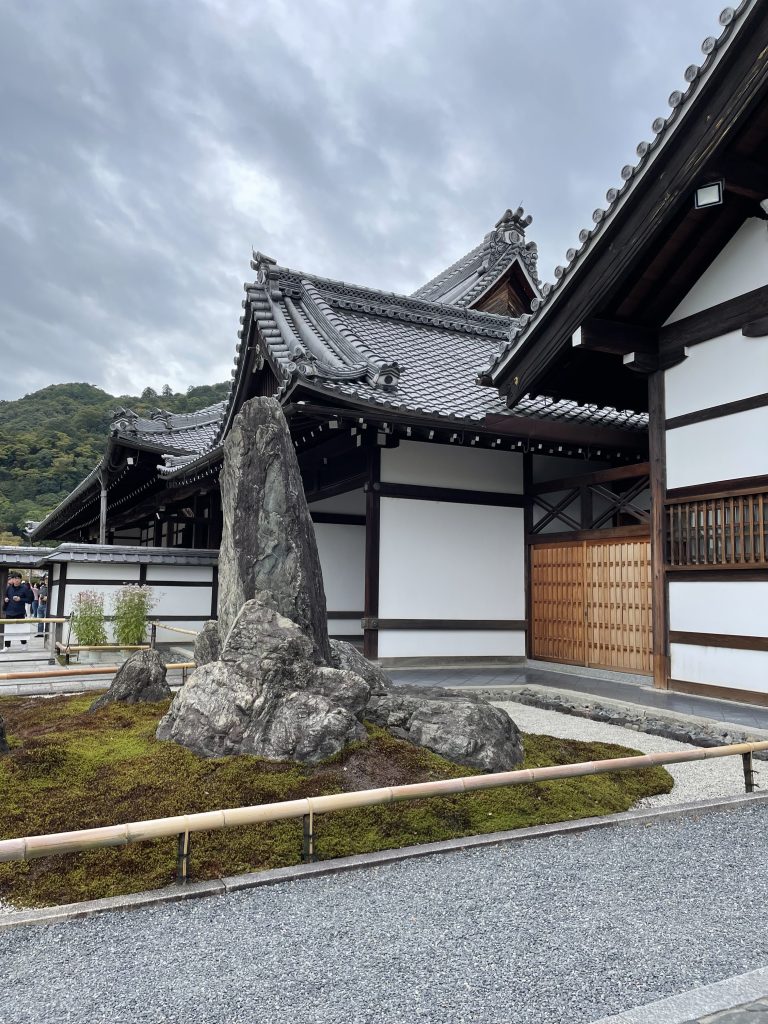
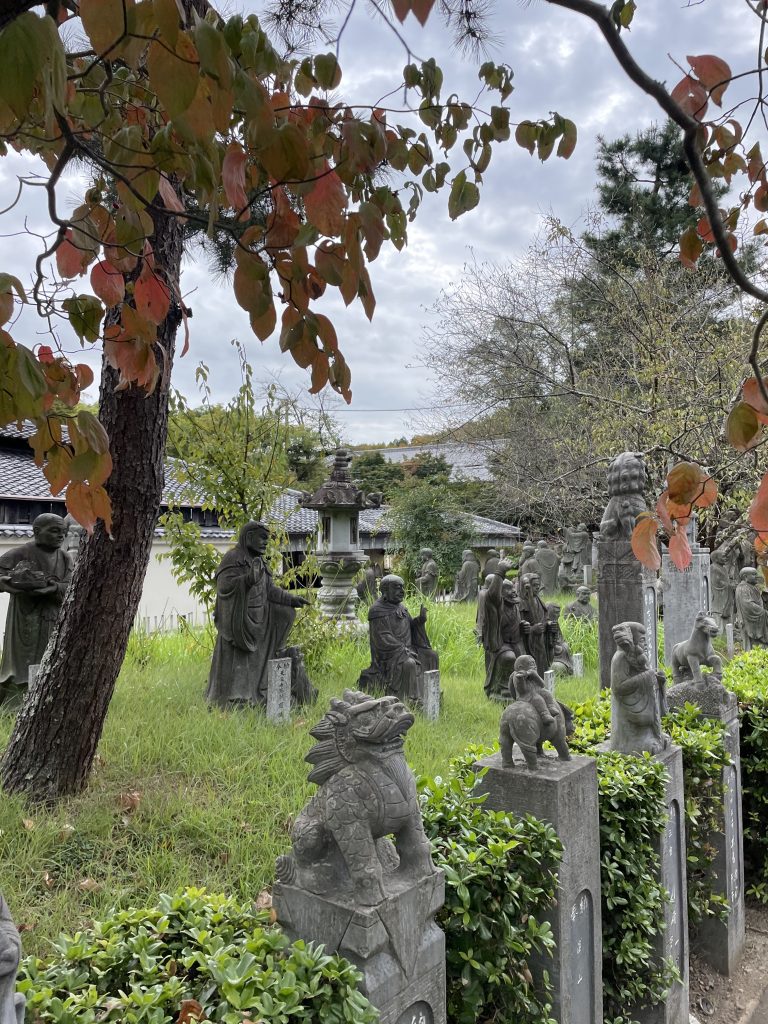
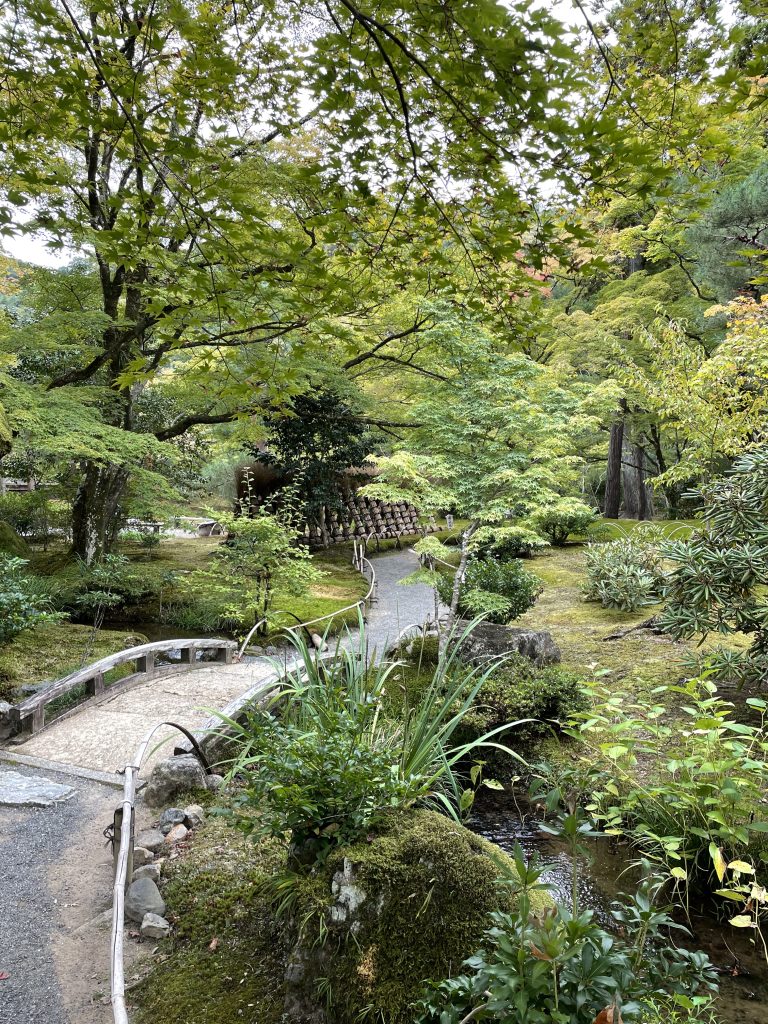
After strolling through Tenryu-ji Temple, we headed to Arashiyama Bamboo Grove with everyone else!
There is one path that everyone takes through the bamboo forest that is kind of busy, so if you want to less people you will need to go very early in the morning or late in the evening.
The bamboo forest is accessible 24 hours a day, but is not typically lit at night unless there is a special event.
If you wish to experience it differently, you can get the Arashiyama Customized Rickshaw Tour & Bamboo Forest organised by Getyourguide. The advantages are :
- You can choose how long you want the tour to last (from 45 to 190 minutes), which can also include some temples if you wish
- You get to go on paths which are rickshaw only, giving you some exclusive sights
- You can cancel up to 24 hours in advance for a full refund
- You have a knowledgeable tour guide
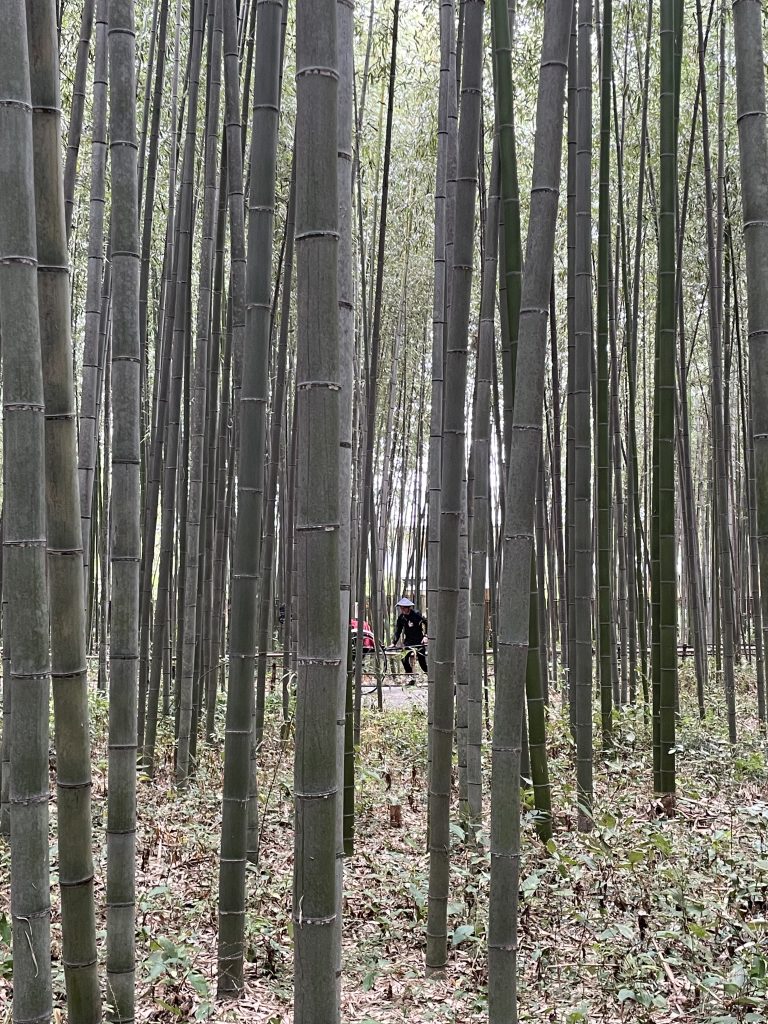
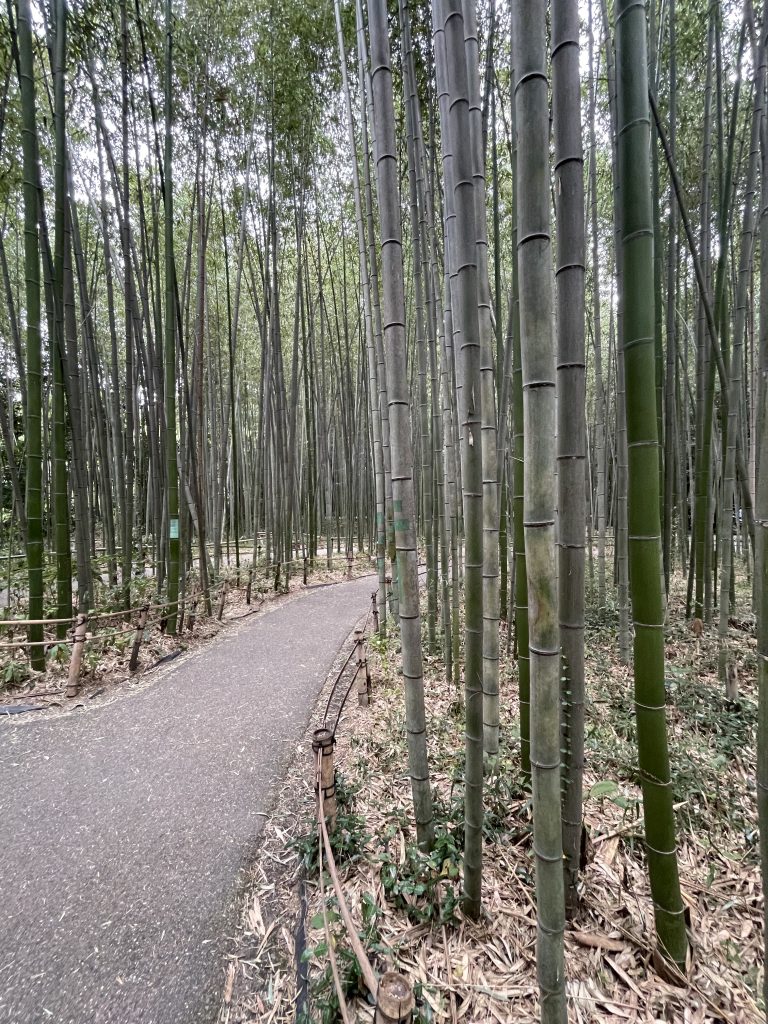
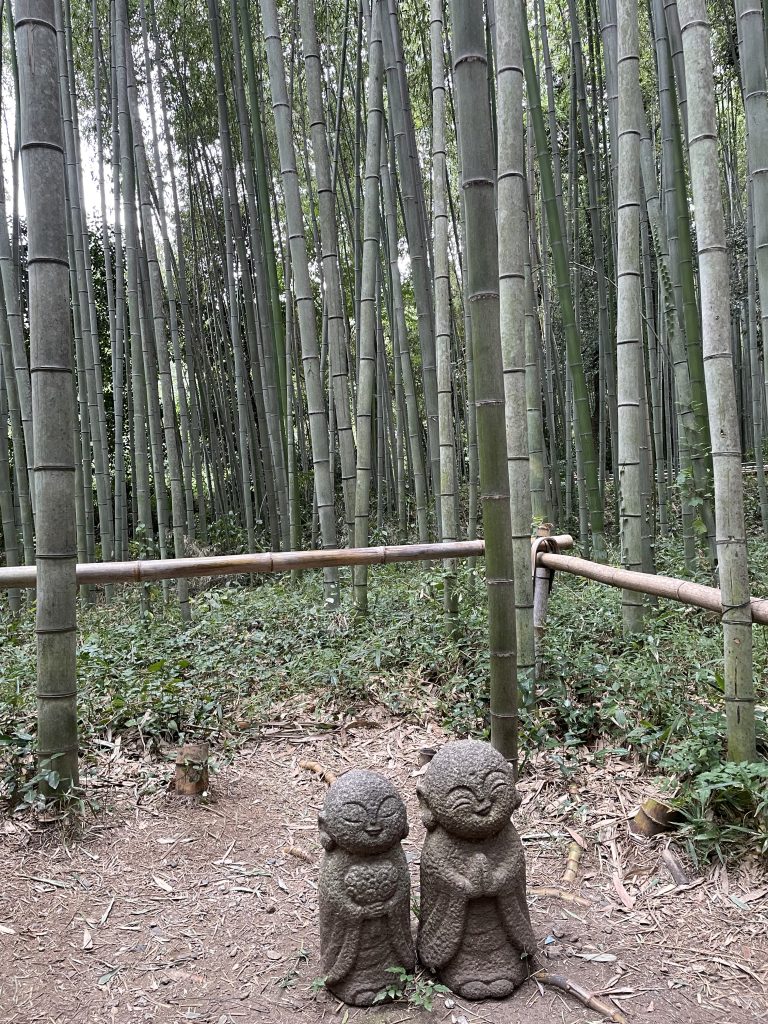
After all of that, we crossed the Togetsukyō Bridge and stopped for lunch at UDON Arashiyama-tei for the best Udon in Arashiyama. You can check it out on my list of restaurants in Kyoto.
Then it was time to climb up to the Iwatayama Monkey Park to admire the view of Kyoto and check out all the wild monkeys.

Higashiyama district
The Higashiyama district is where we were staying in Kyoto. It’s known for its well-preserved historic streets, traditional wooden buildings, and numerous temples and shrines. You can choose a guide for the 4 hour tour called Kyoto: Historic Higashiyama Walking Tour, where you get to see the highlights of Higashiyama district.
Here are the attractions that we got to see in Higashiyama district:
Hōkan-ji Temple (Yasaka Pagoda) & Yasaka Kōshin-dō Temple
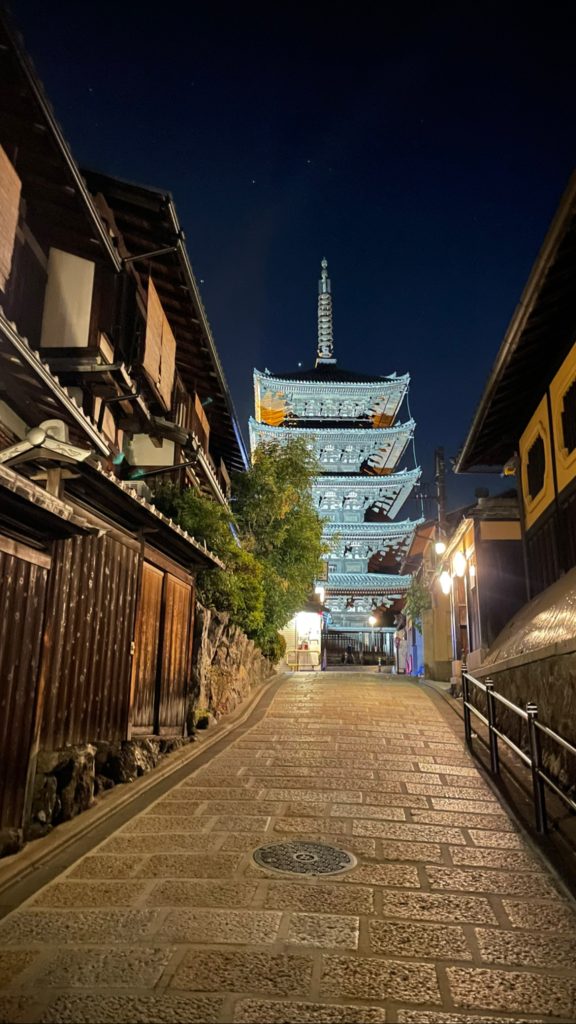
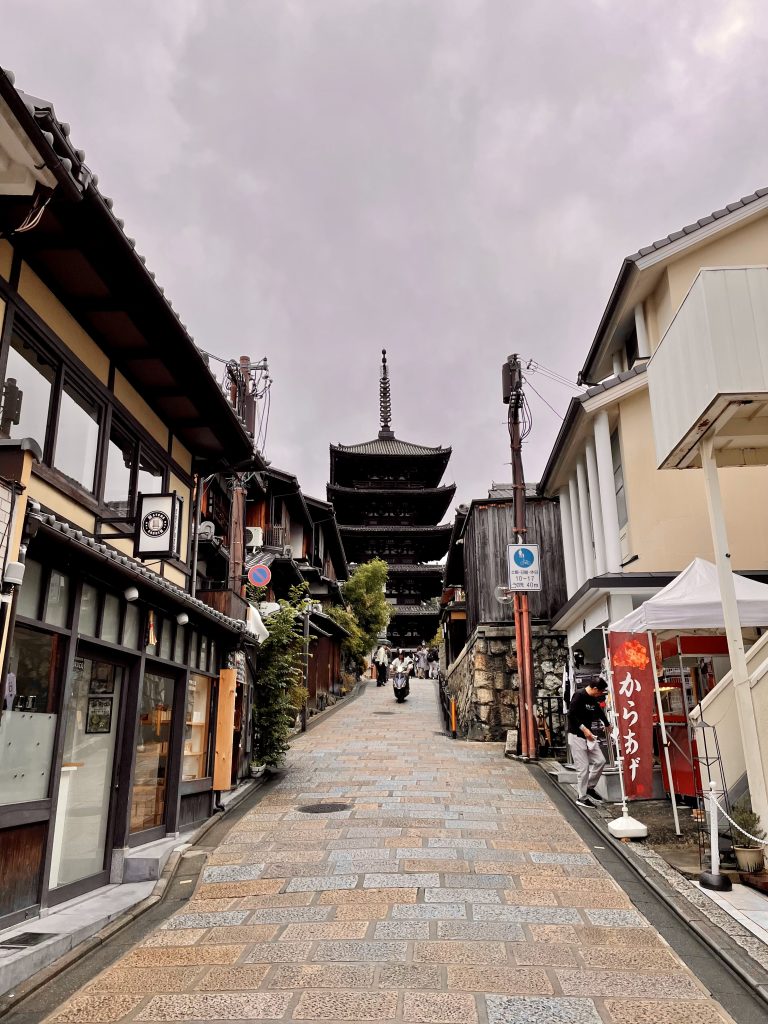
Hōkan-ji Temple (Yasaka Pagoda), this temple was within walking distance from our hotel so we got to see it during the day and at night. The temple is 5-story Buddhist pagoda temple, which you can get tickets to go to the top if you want.
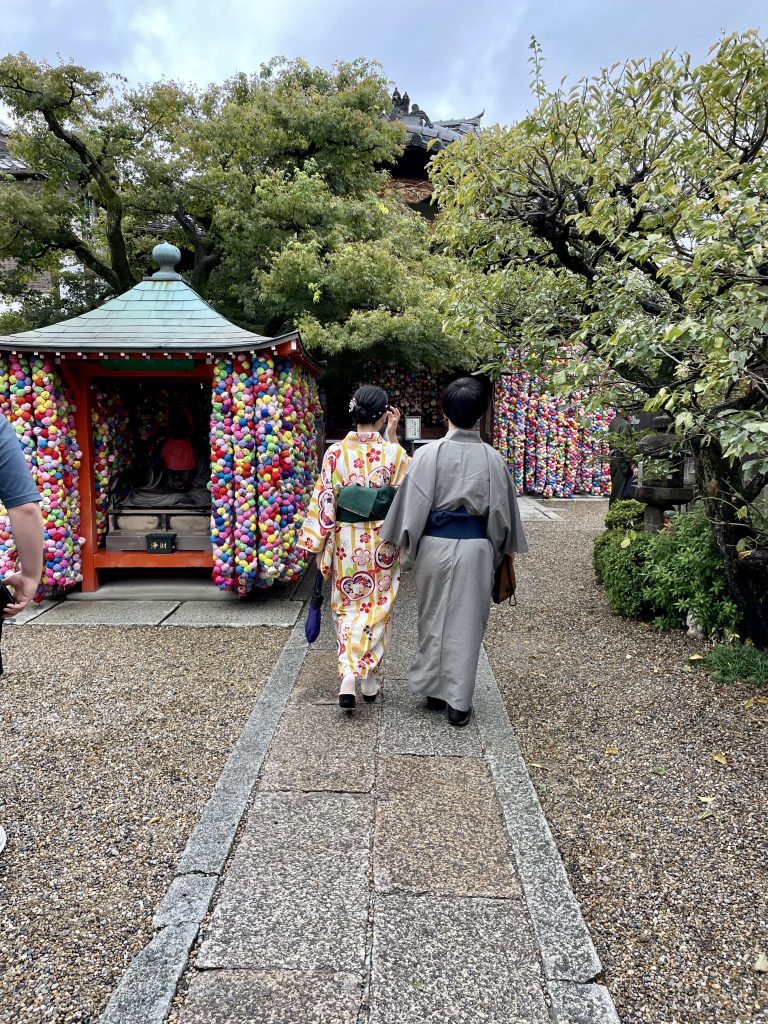
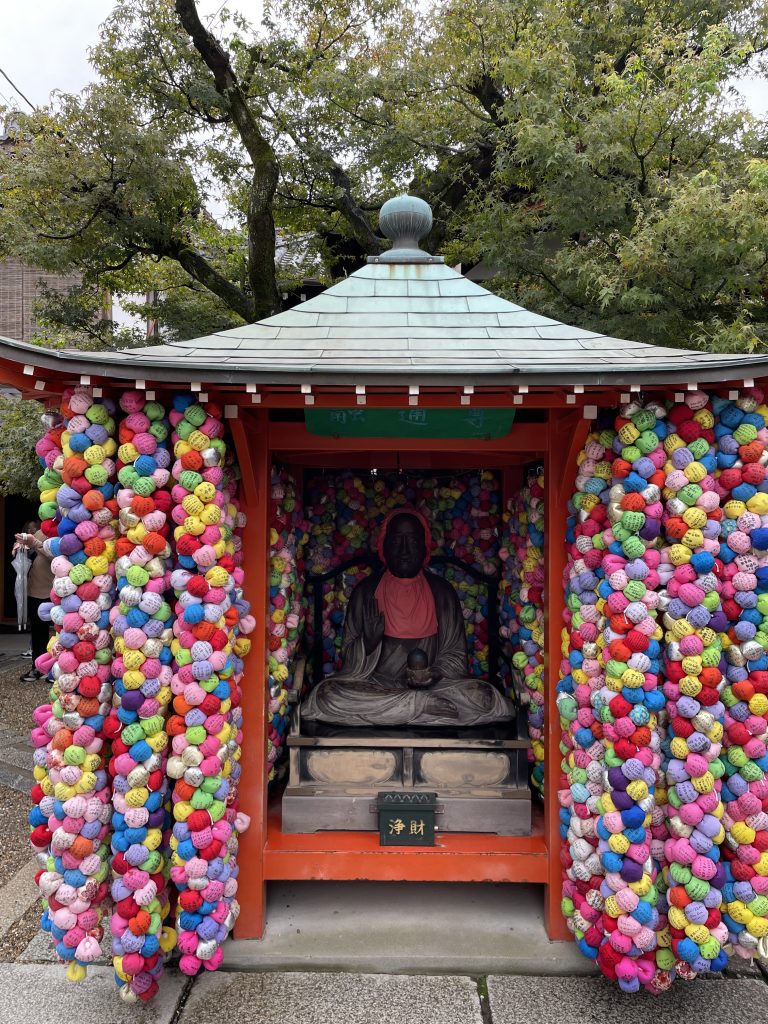
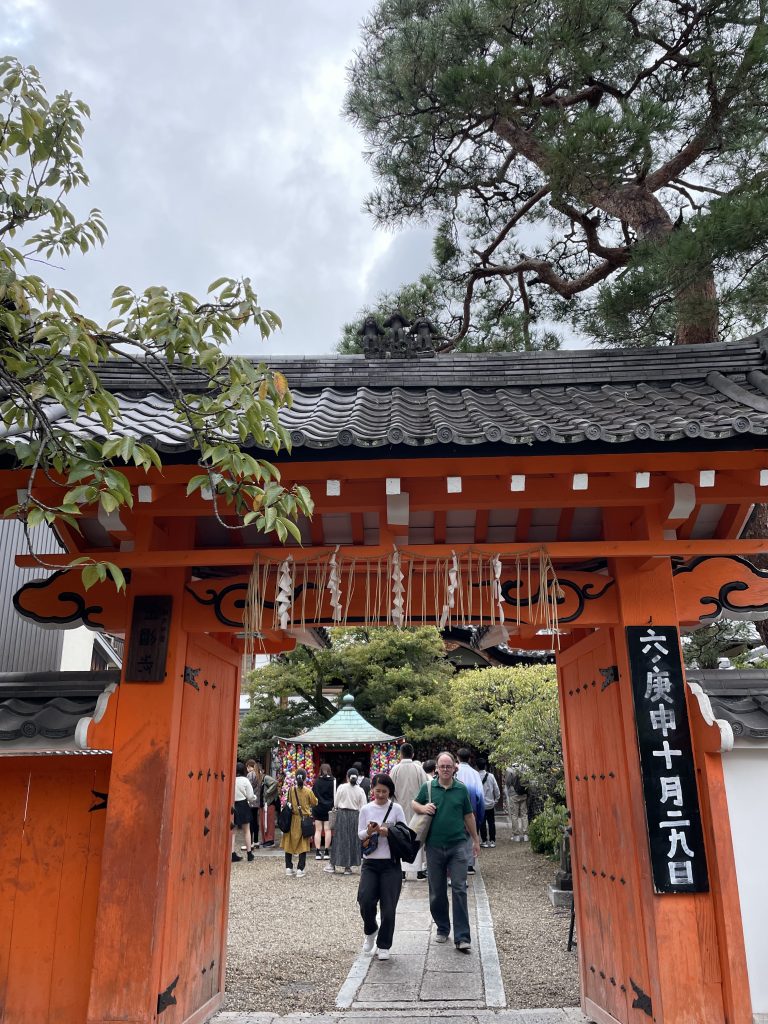
Right next to that temple, you must see the Yasaka Kōshin-dō Temple, a Buddhist temple with colourful balls representing Kukurizaru, a monkey with bound feet & hands.

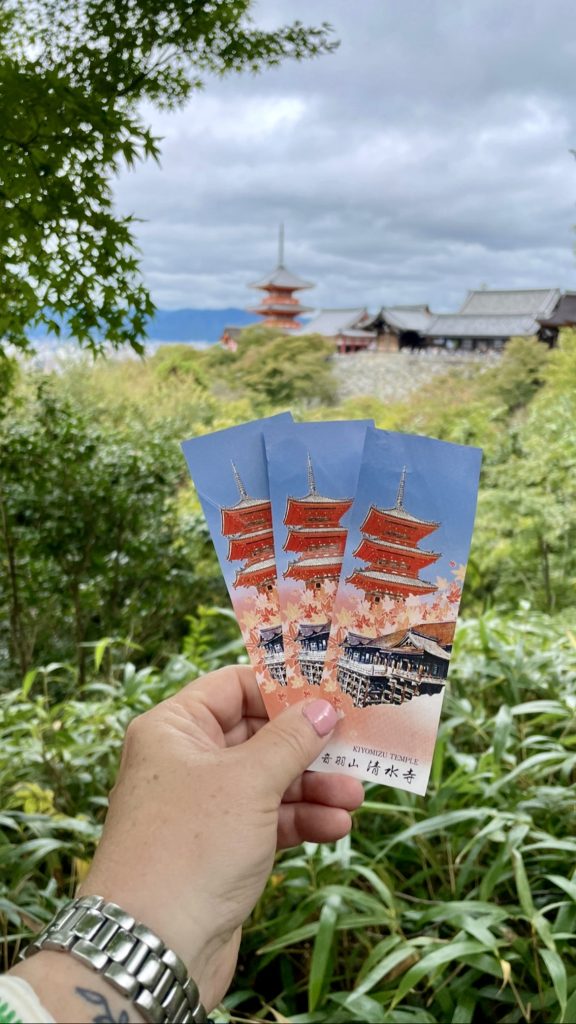
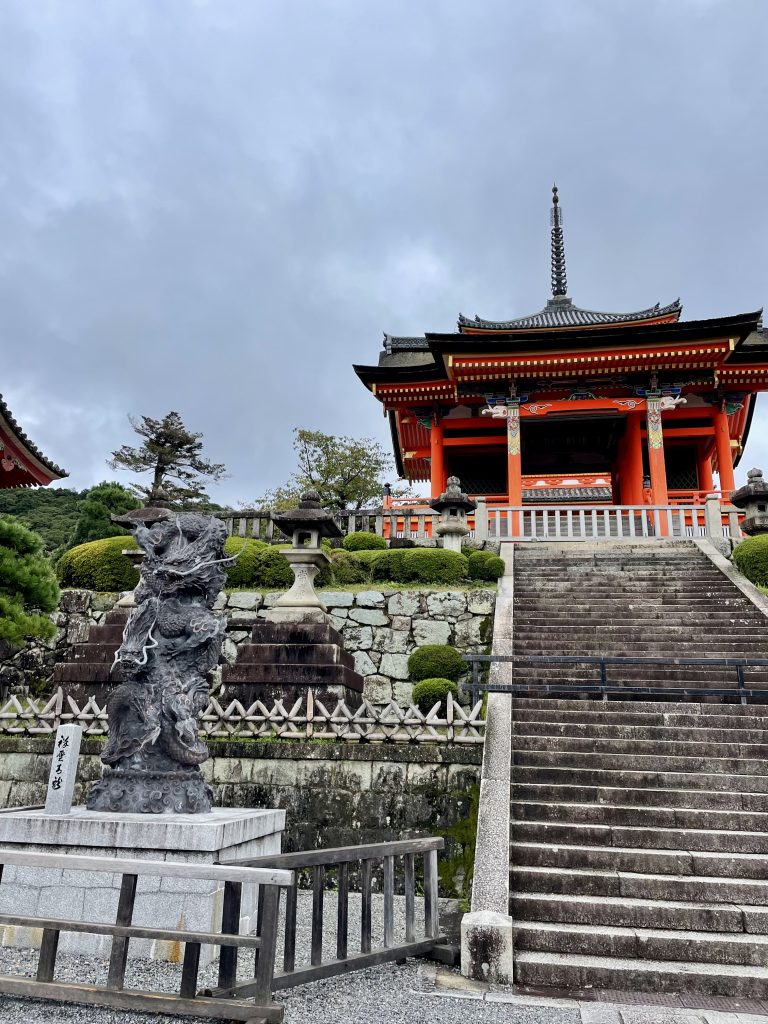
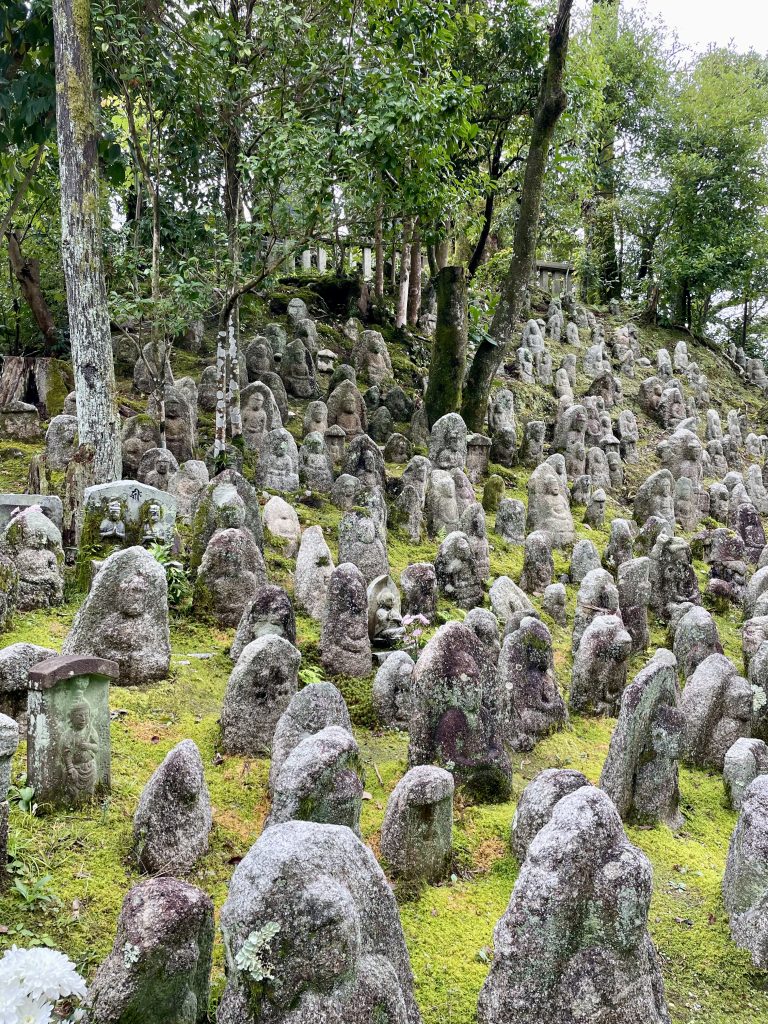
Kiyomizu-dera
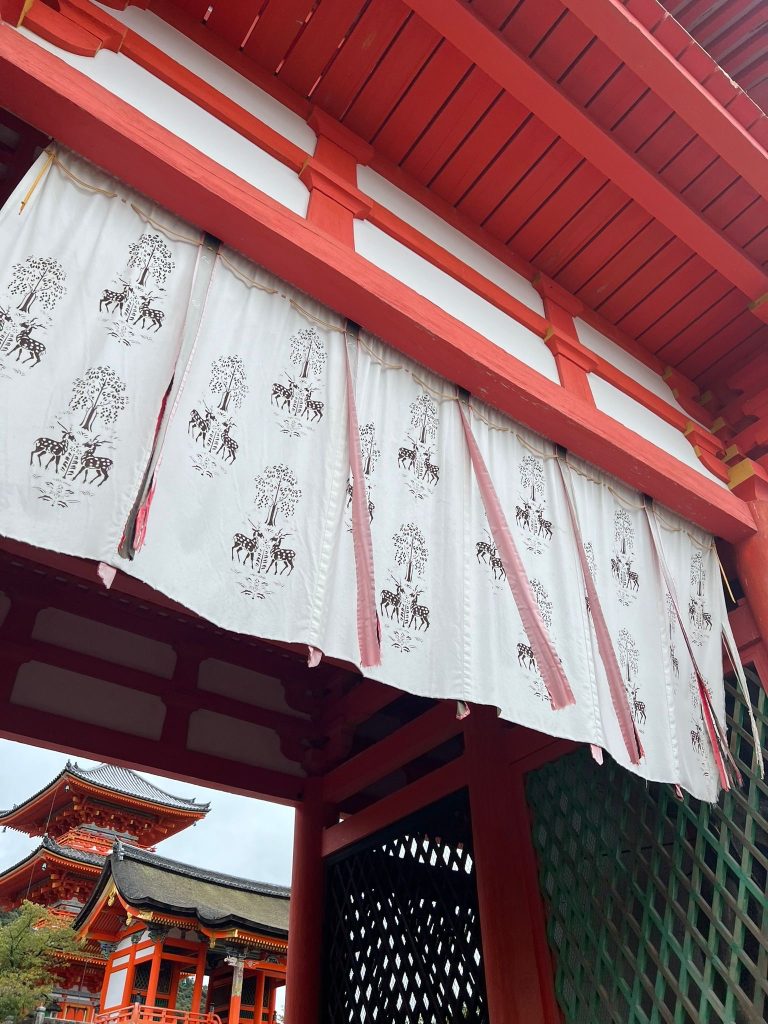
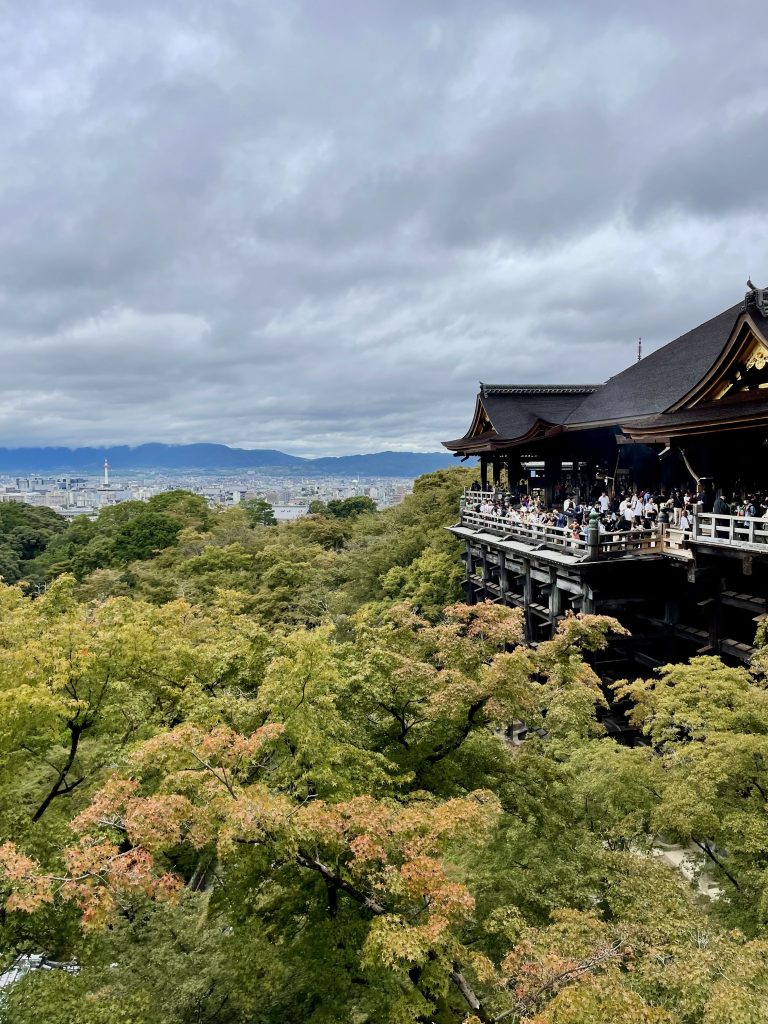
No trip to Kyoto is complete without a visit to Kiyomizu-dera, the iconic hillside temple with sweeping views over the city.
Wander through the grounds and don’t miss the famous test of strength where pulling the heavy iron bar near the entrance, said to bring good fortune if you can lift it.
Stroll further and you’ll find the Lover’s Path near the Jishu Shrine, where two stones sit several meters apart. If you can walk from one to the other with your eyes closed, legend says you’ll find true love.
Don’t miss out on the Wooden Stage is a massive wooden veranda jutting out from the main hall. Built without nails, it offers a stunning panoramic view of Kyoto.
The Otowa Waterfall at the base of the main hall is sacred, where visitors use long cups to catch and drink from three streams. Each one is said to bring either longevity, success at school or love, but drinking from all three is considered greedy.
Fushimi-ku District
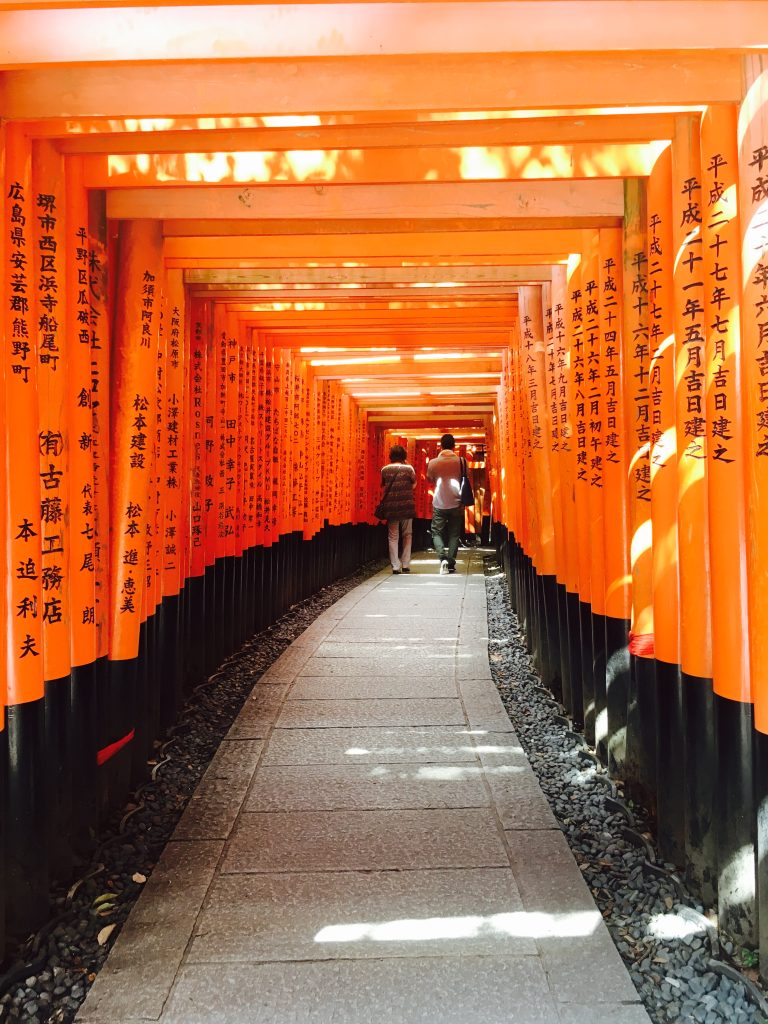
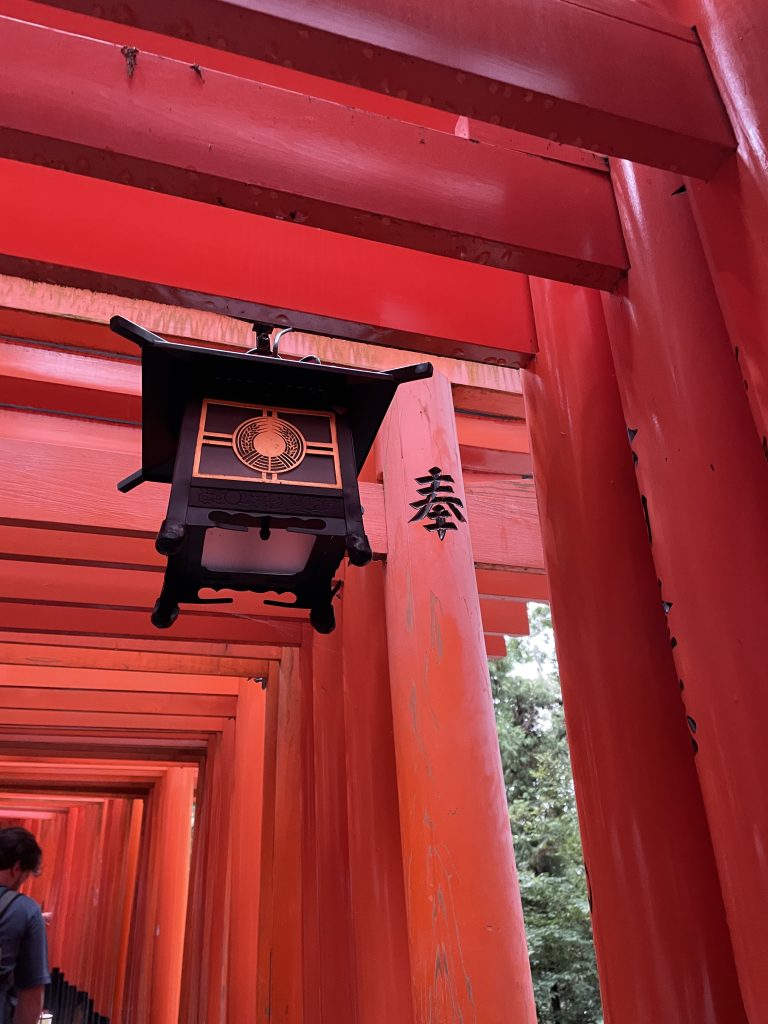
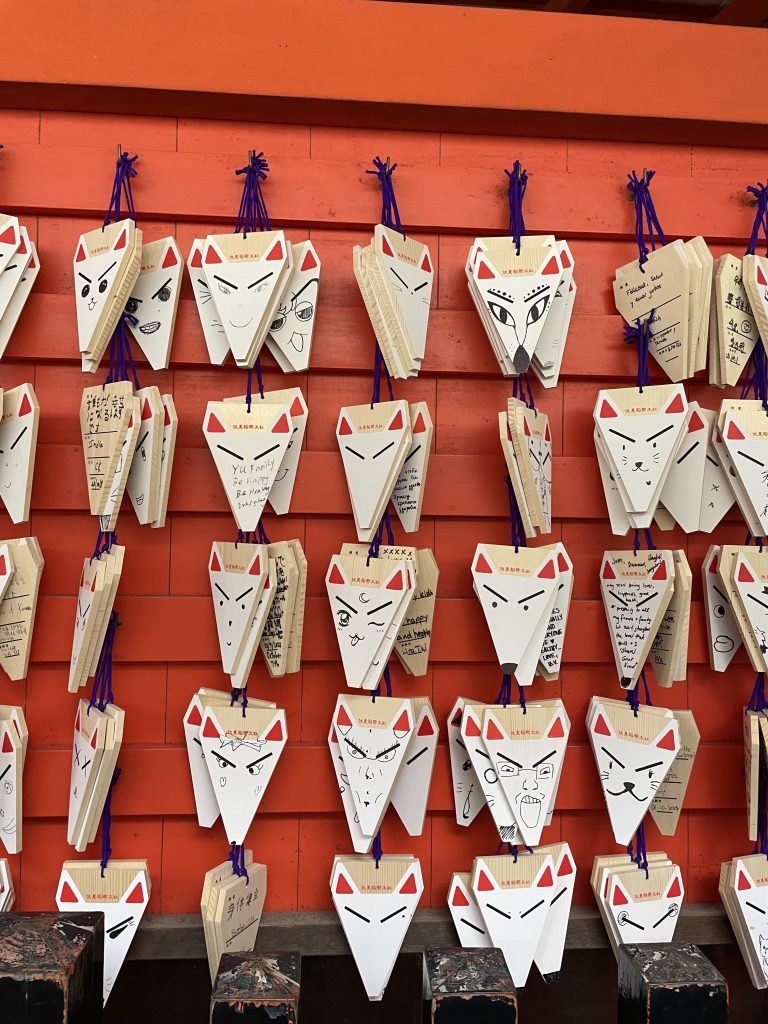
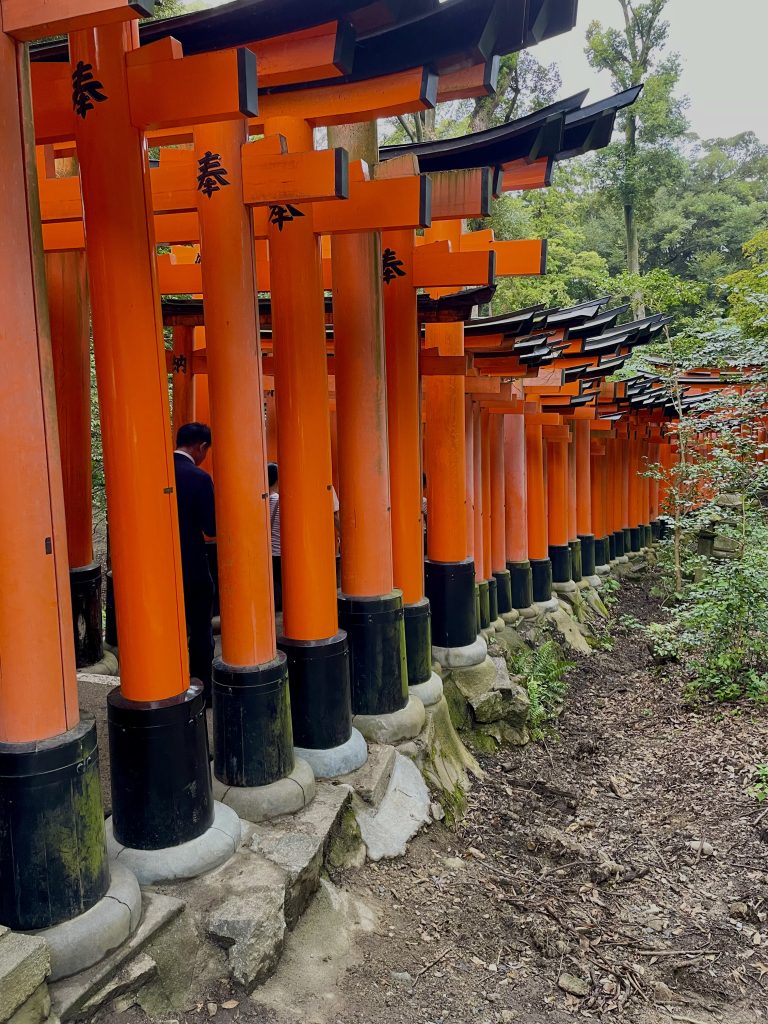
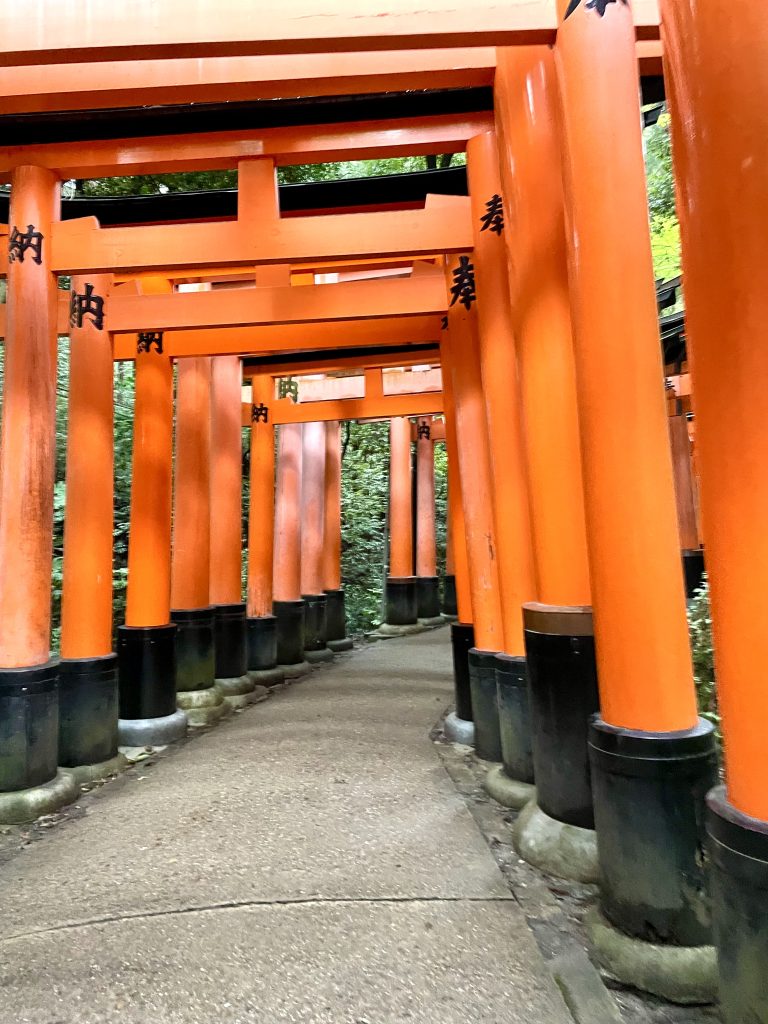
Fushimi-ku is a hilly district, home to Fushimi Inari, an 8th-century Shinto shrine on a mountain path framed by hundreds of orange torii gates.
If you want to avoid the crowds, get up early and take the ‘Early Morning Fushimi Inari Shrine guide‘ that starts at 7am and last 2,5 hours.
We went there around 4pm and almost climbed to the top! We had had pancakes before getting there so it did not help.
Just a reminder, wear comfortable shoes because you are going to be walking between 2 to 3 hours to reach the summit of Fushimi Inari Shrine and walk back down.
Kita-ku district
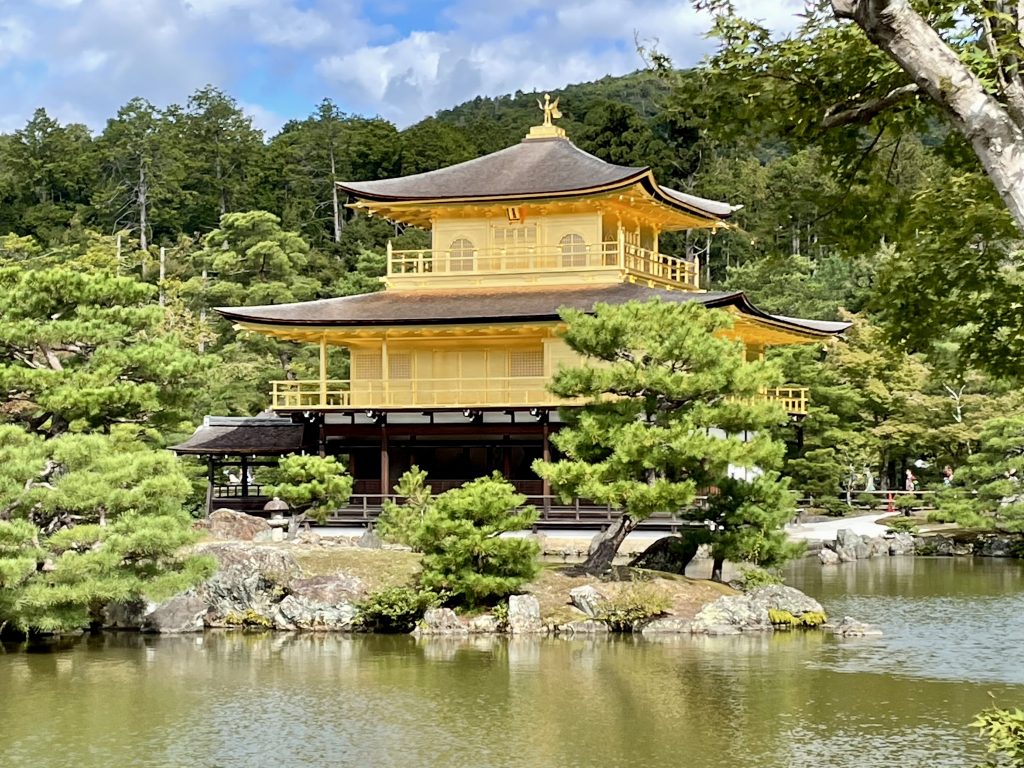
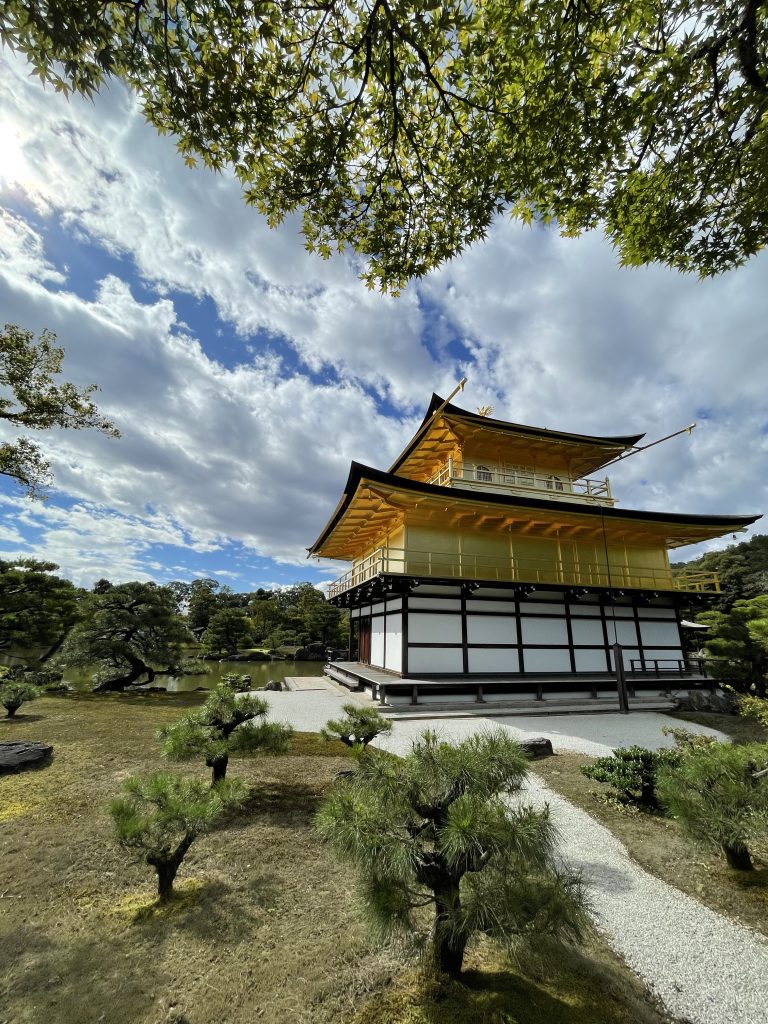
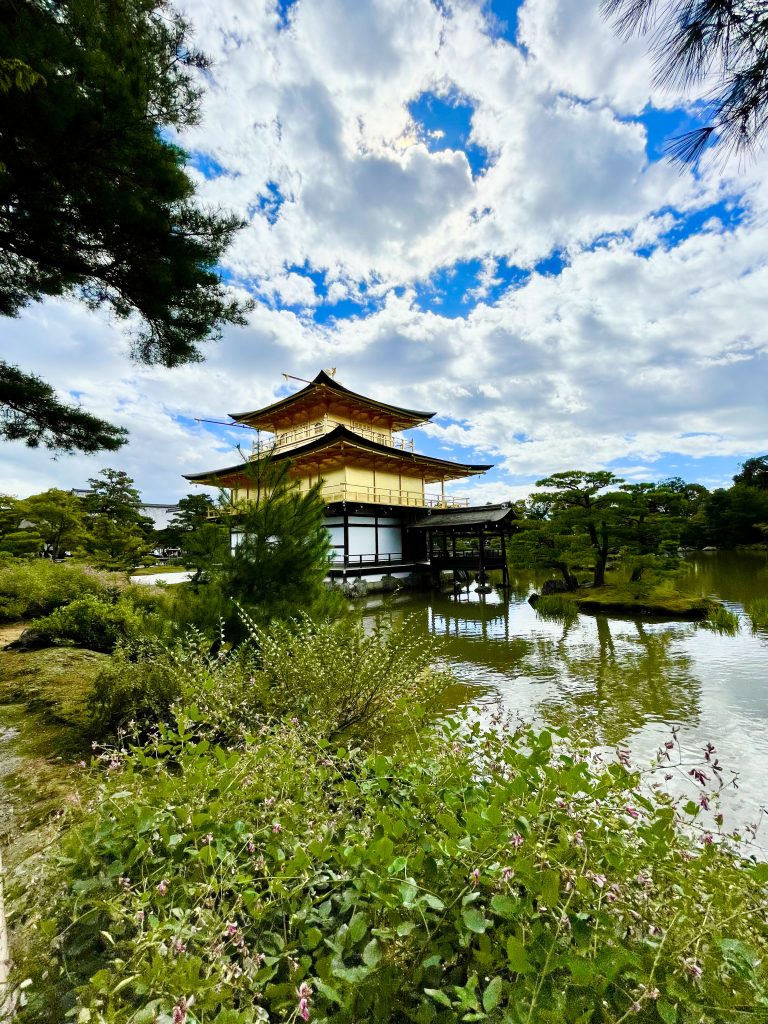
In the Kita-ku district, specifically in the Kitayama area of northwestern Kyoto, you have the magnificent Kinkaku-ji, also known as the Golden Pavilion.
It is said that the best time to visit is in Autumn when the leaves have turned; but it is also when it is the most crowded. We were there beginning of October, where the temperature was ideal and we arrived at 10am, when there was not too many people.
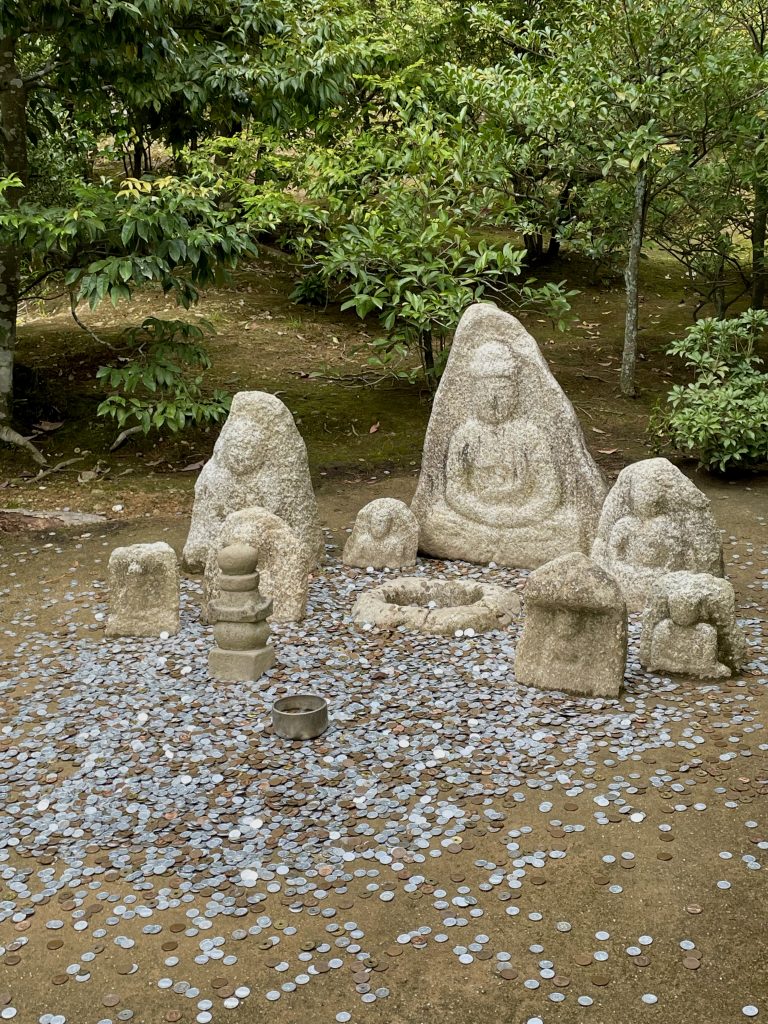
Don’t forget to toss a coin for good luck in Anmin-taku Pond; this pond is said to never dry up. If you have more coins you can also toss one into designated pots and bowls near some statues.
Once again, if you want to have a guided tour, you can go for ‘Kinkakuji, Golden Pavilion Guided Tour’ which lasts 90 minutes.
Kyoto Station
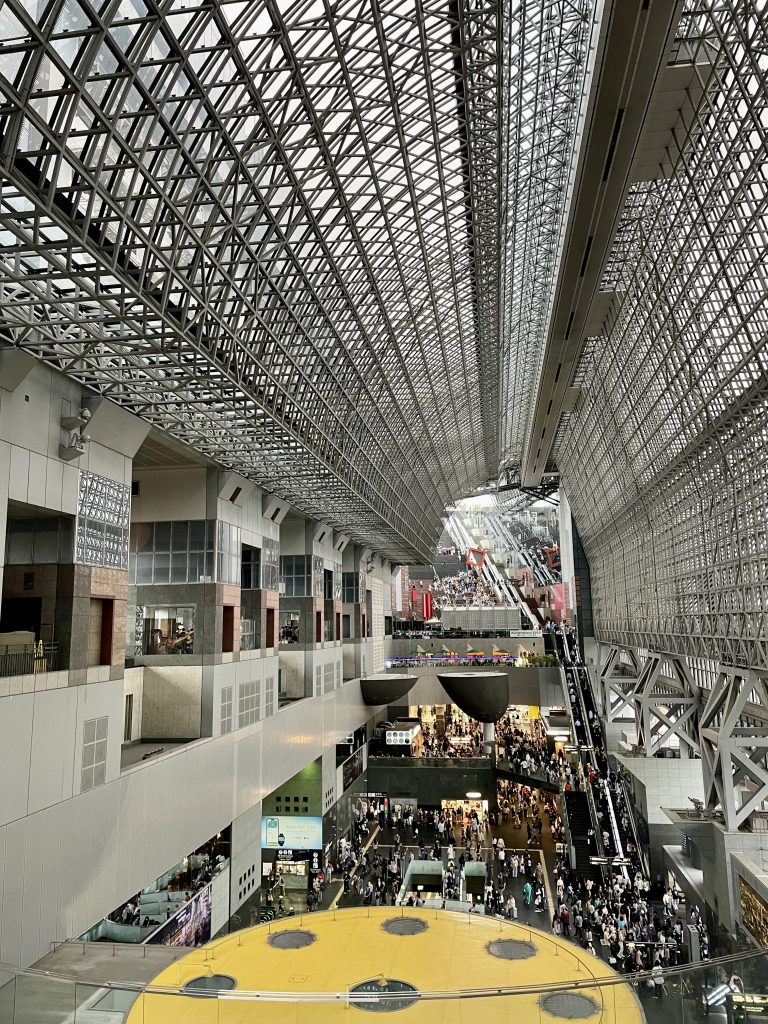
Kyoto Station is situated in the Higashishiokoji Kamadonocho area of Shimogyo Ward. The station serves as a major transportation hub in the central southern part of the city. That is where you will probably be arriving and leaving from, but it’s more than just a station.
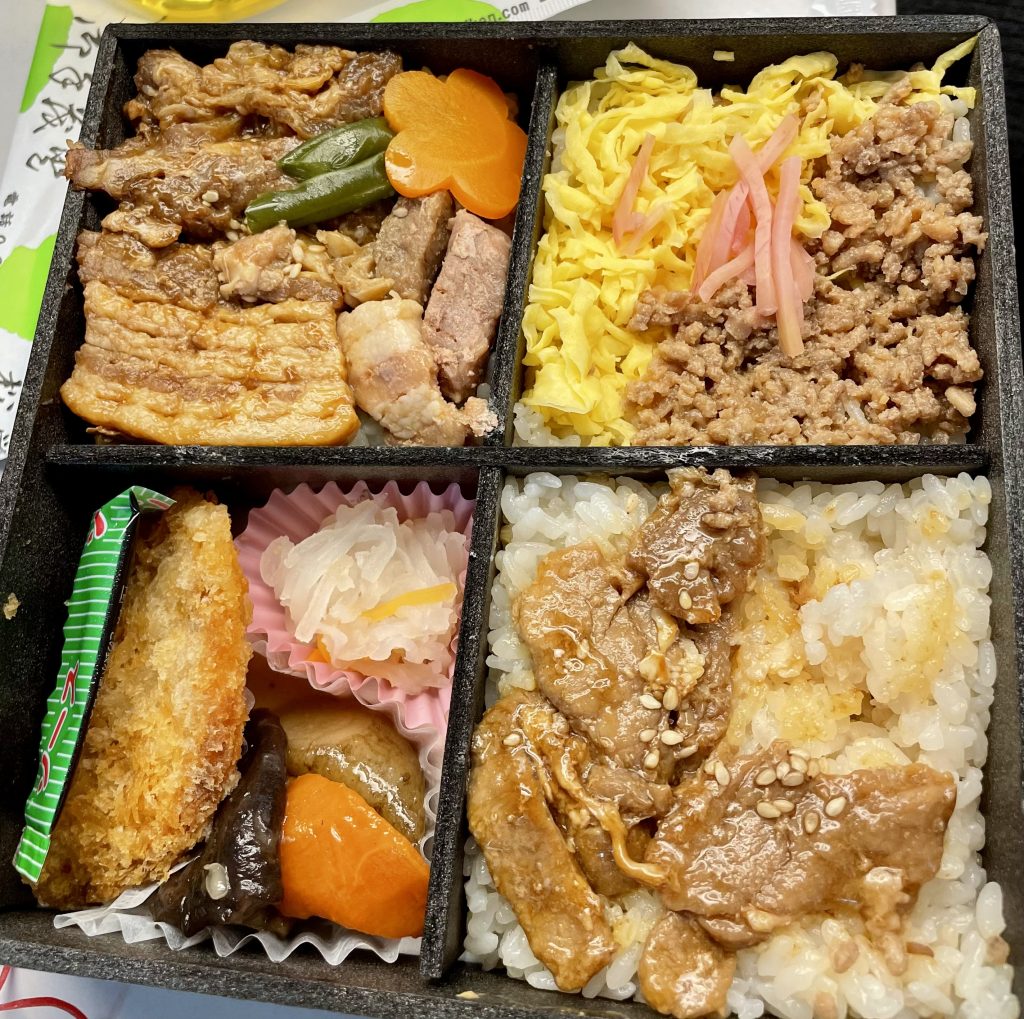
It is a huge shopping mall, with a hotel, a cinema, and local government facilities. Before you get on the Shinkansen to your next destination, you should buy your ekiben (boxed meals for the train travel) from shops you can find before and after the ticket gates.
Tabi Bento Ekiben Nigiwai Kyoto, located in the overhead north-south passage outside the ticket gates, is a popular spot with a wide selection.
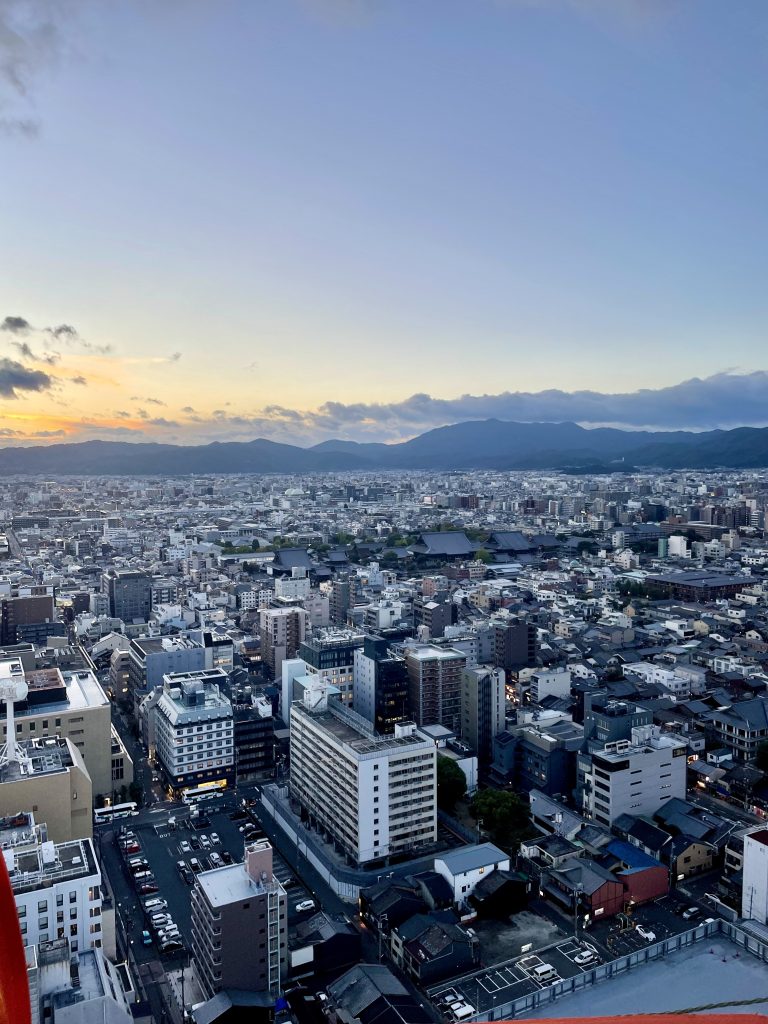
If you have some extra time, close to the station, you can go to the observation deck of the Nidec Kyoto Tower building for a stunning view of the city.
Along the Kamo River & Gion
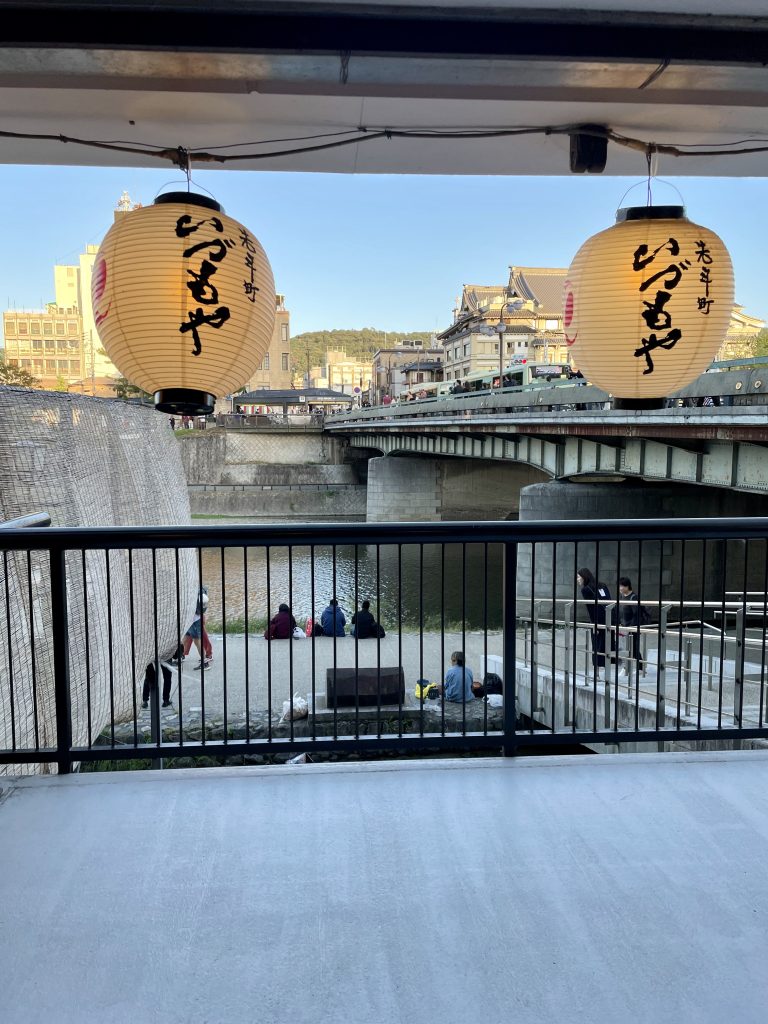
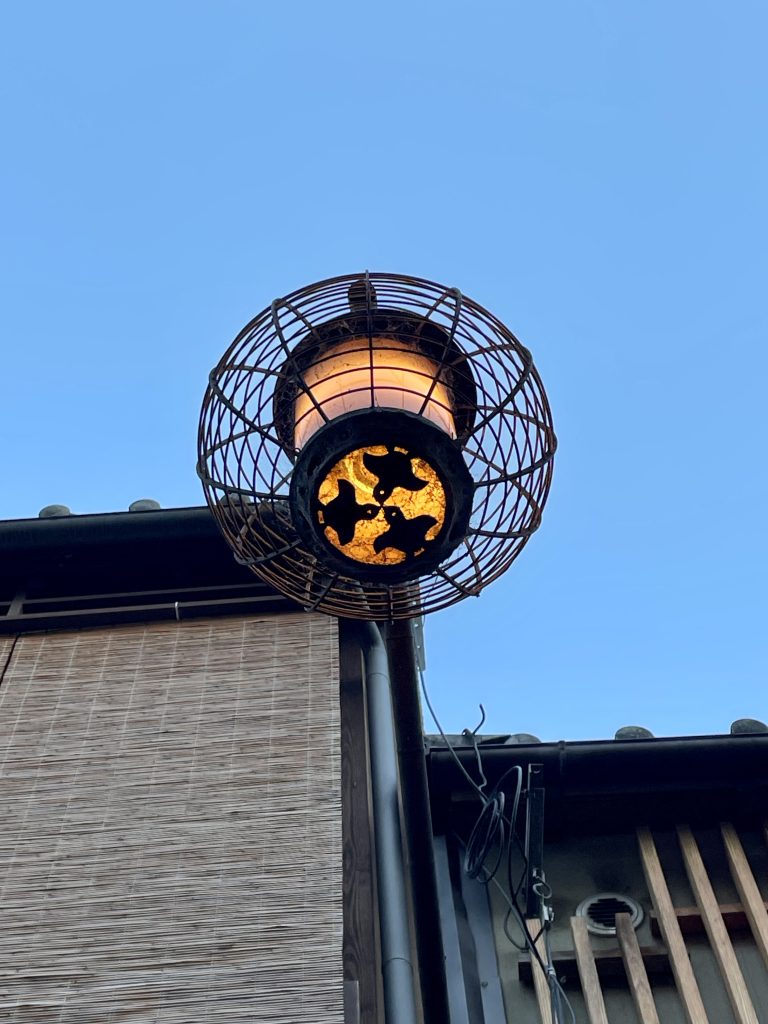
We walked a lot along the Kamo River at sunset, and got lost in Gion with its alleys lit up by traditional lamps.
It offers a tranquil escape from the city’s hustle and bustle, with beautiful scenery and a relaxed atmosphere. The riverbanks are popular with locals and tourists, with restaurants with terraces or riverbed platforms, cafés and bars open late at night.
Sometimes, you can also stumble upon a Geisha or two, walking on the riverbank.
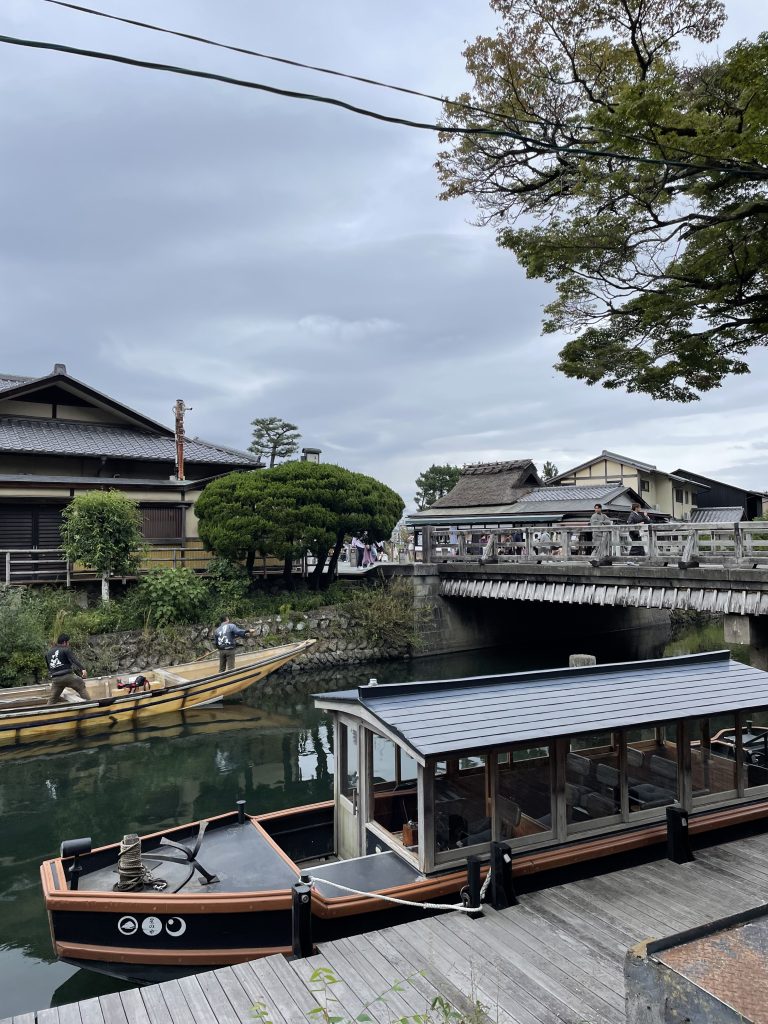
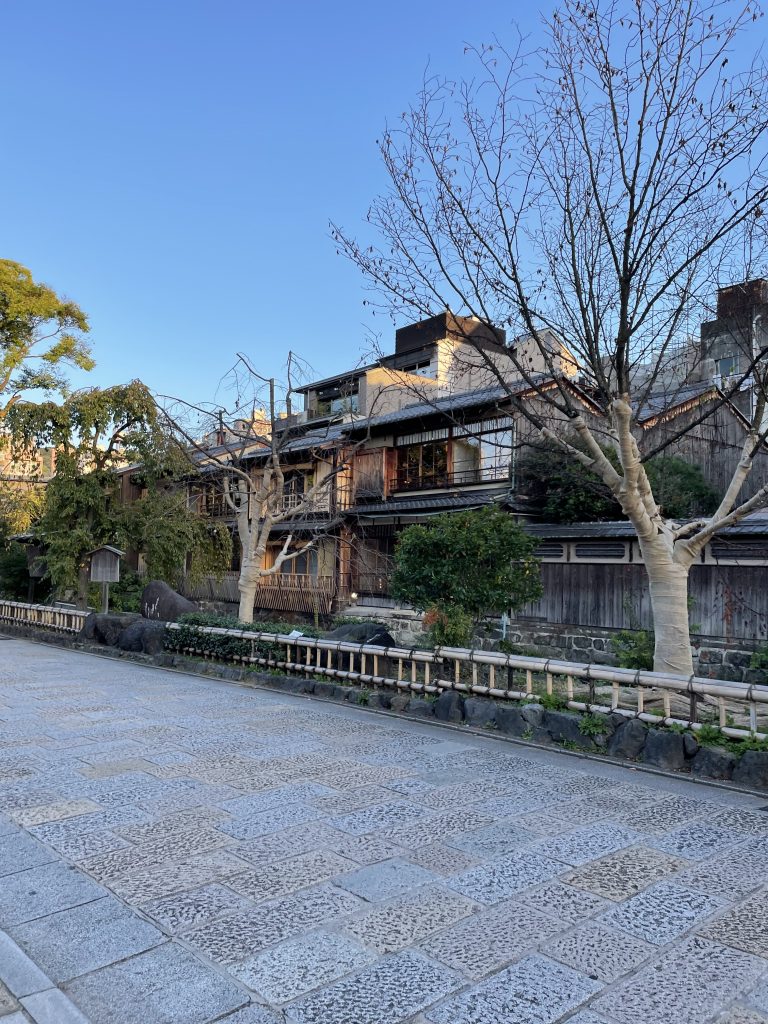
These photos are along the Shirakawa Canal in the Gion area. In the spring time, you will get to see the cherry blossoms and in winter, you might get some snow!


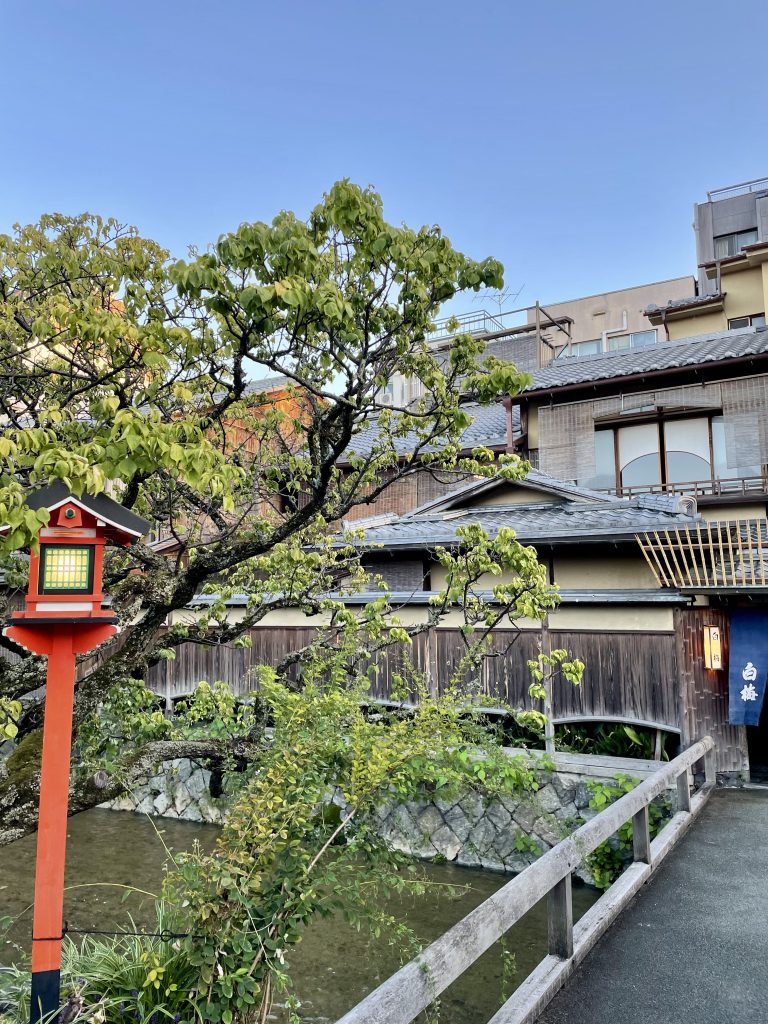
These are taken along the Takase river, once we crossed the Kamo river.
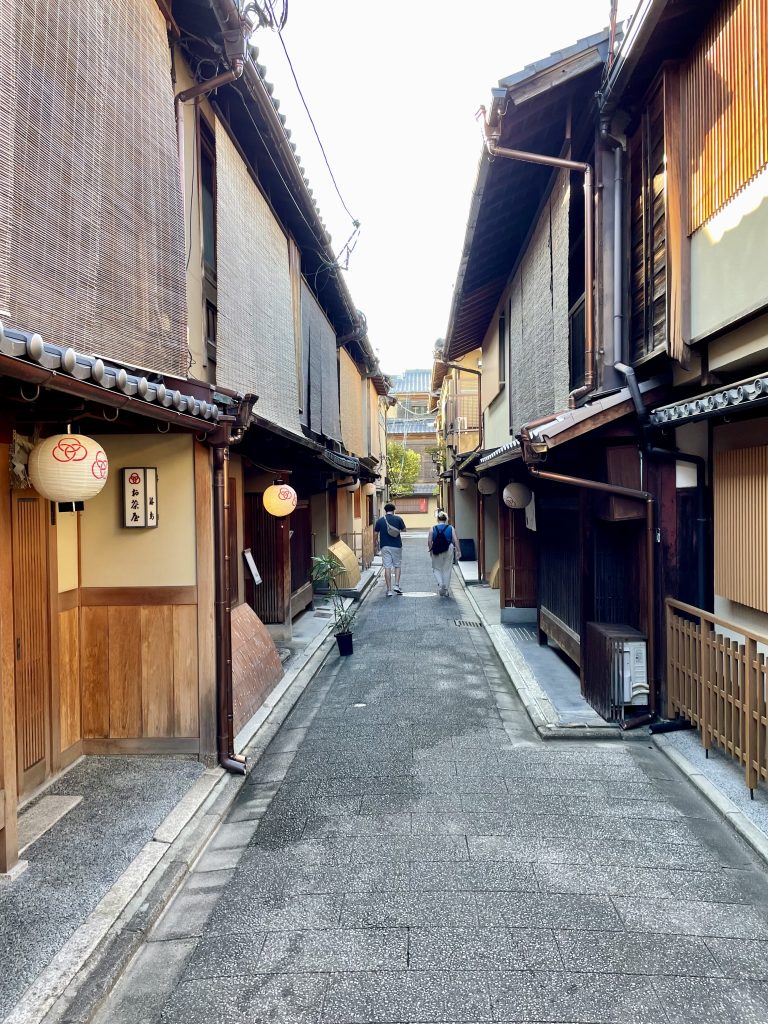
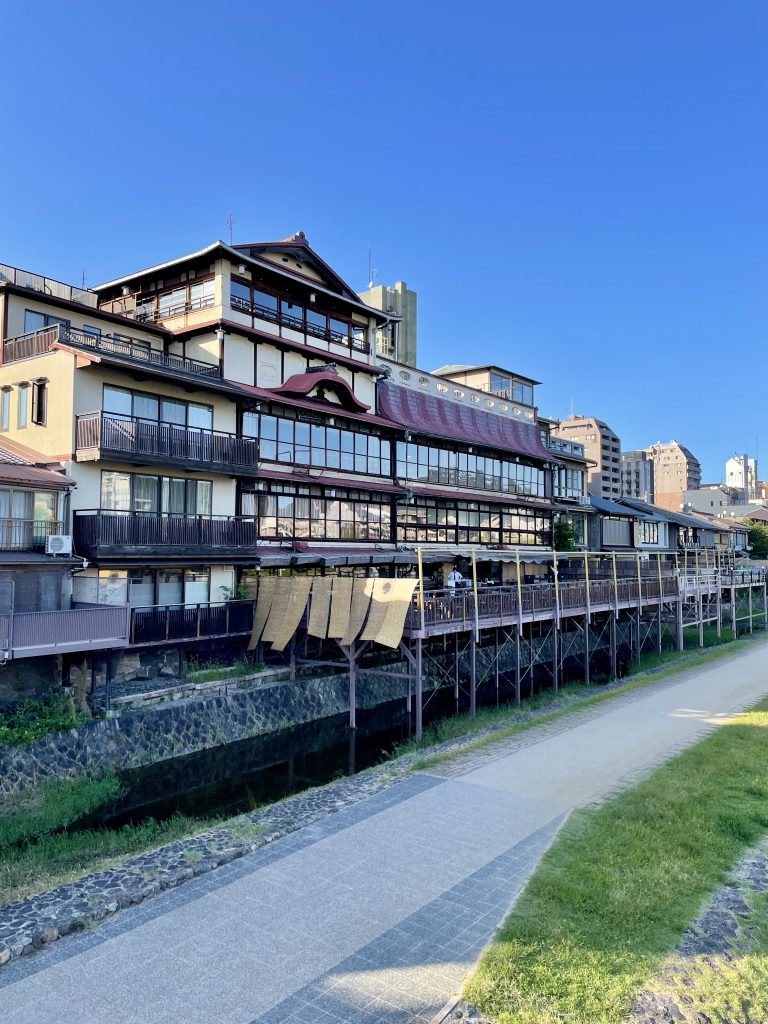
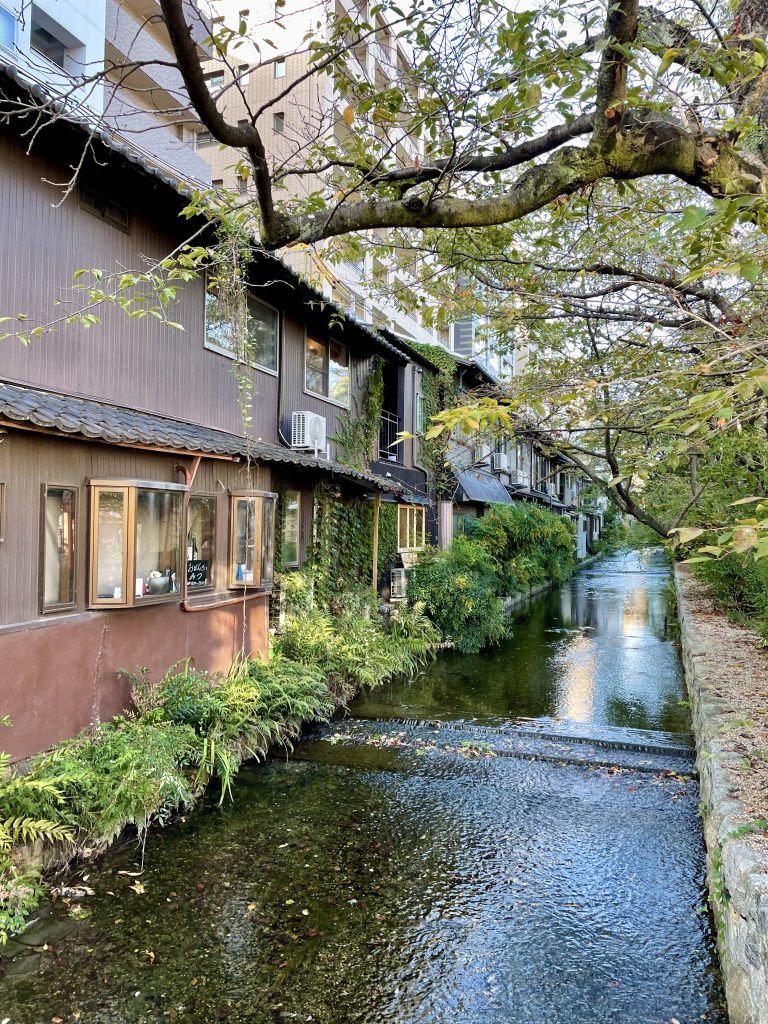
And these are further up along the Kamo river near the Donguri Dori Bridge
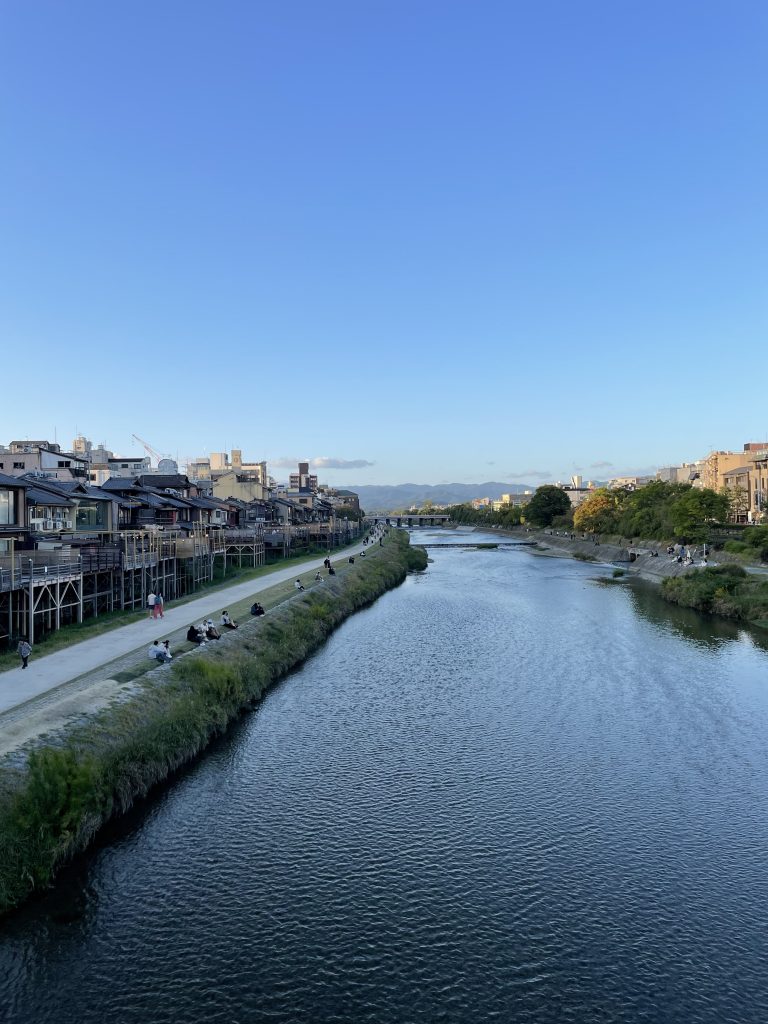
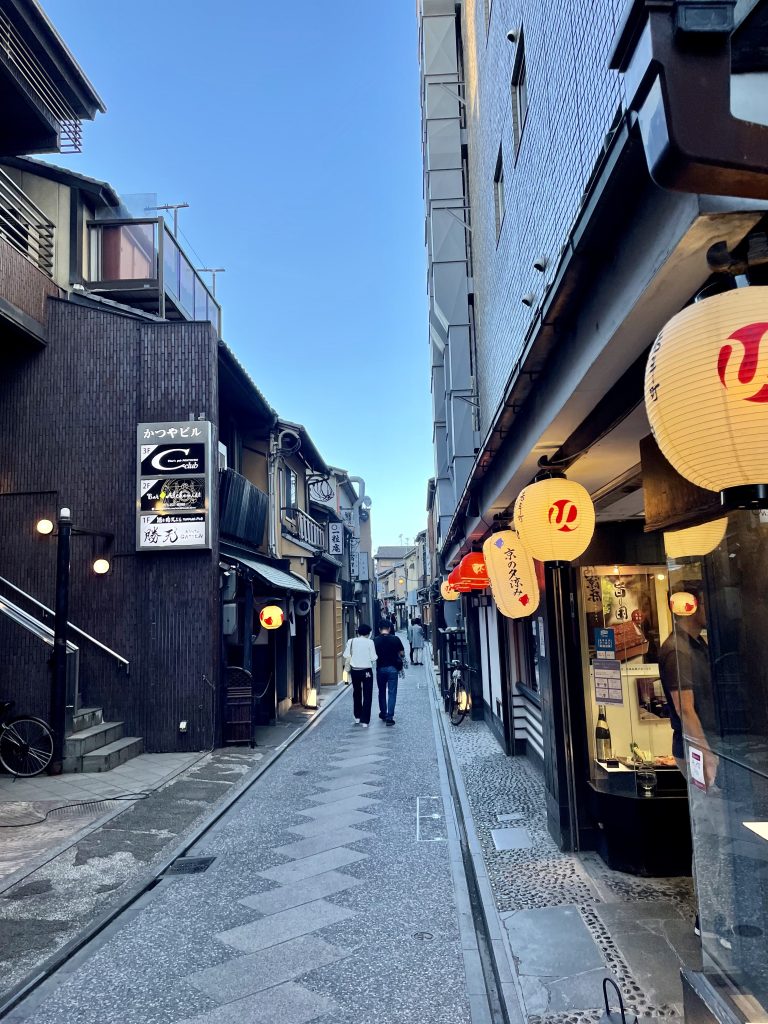
Our next stop is ‘How to Spend a Night in a Koyasan Temple: Spiritual Travel Guide to Mount Koya’

Written by Elene Riordan
Welcome to Travelling Cooks! I’m Elene, a 50-ish-year-old British-Belgian woman living in Brussels, surrounded by my beautiful friends and family. This blog is a celebration of my three great passions—travel, restaurants, and cooking. Enjoy!