
One Day in Osaka: Castle, Dotonbori & Food Tour
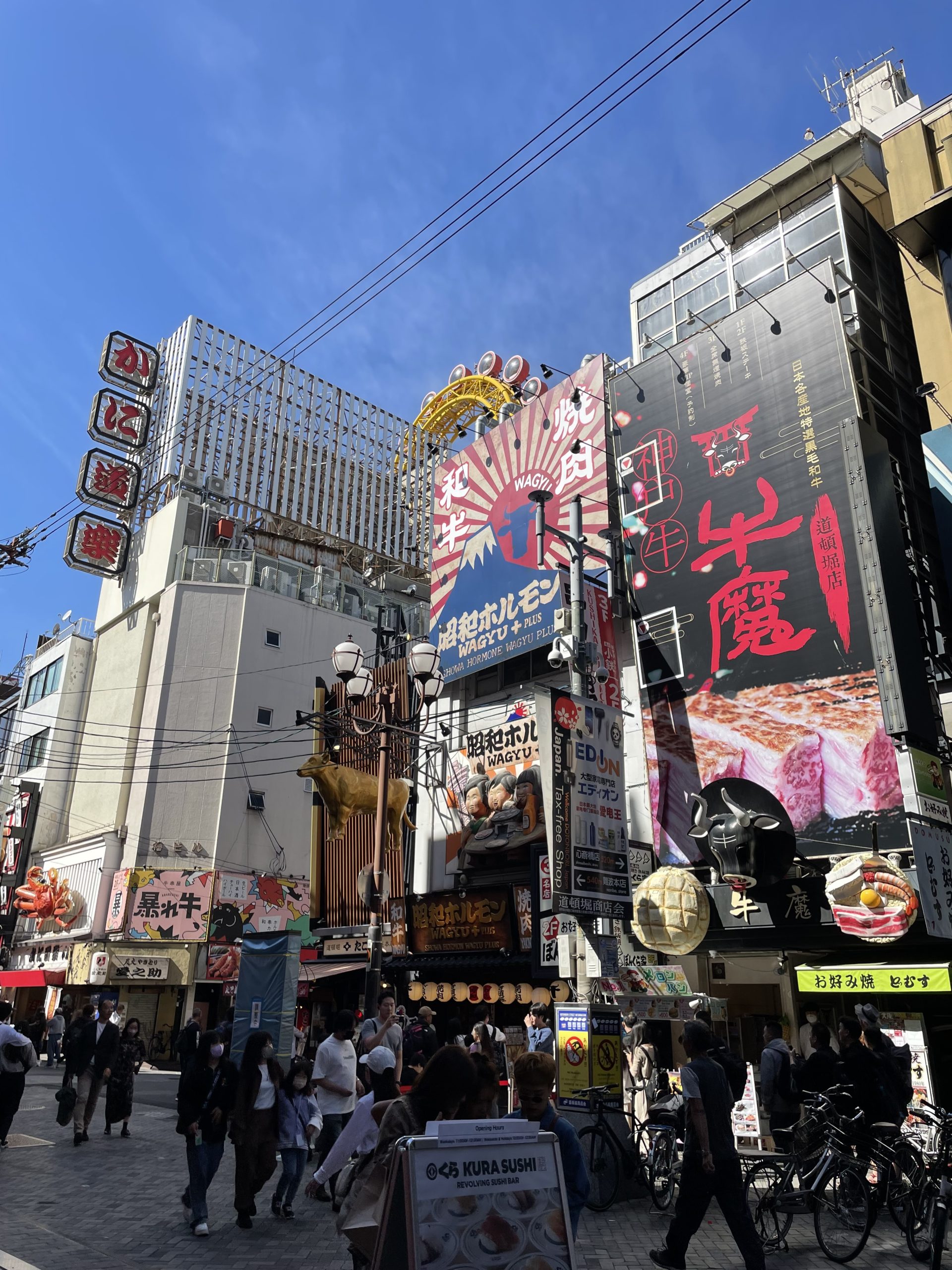
After a wonderful spiritual escape to Koyasan, we headed back to Osaka for one night before returning to Tokyo. The journey takes about two hours: first the Koyasan Cable Car, then the Nankai Koya Line Limited Express to Namba Station, and finally the Local Nakamozu into Osaka.
With only one day in the city, we chose to make the most of it by combining culture, sightseeing, and Osaka’s famous food scene.
Where to stay in Osaka
What to do in Osaka in one day?
Osaka Castle
Dotonbori
Food in Osaka
Where to Stay in Osaka
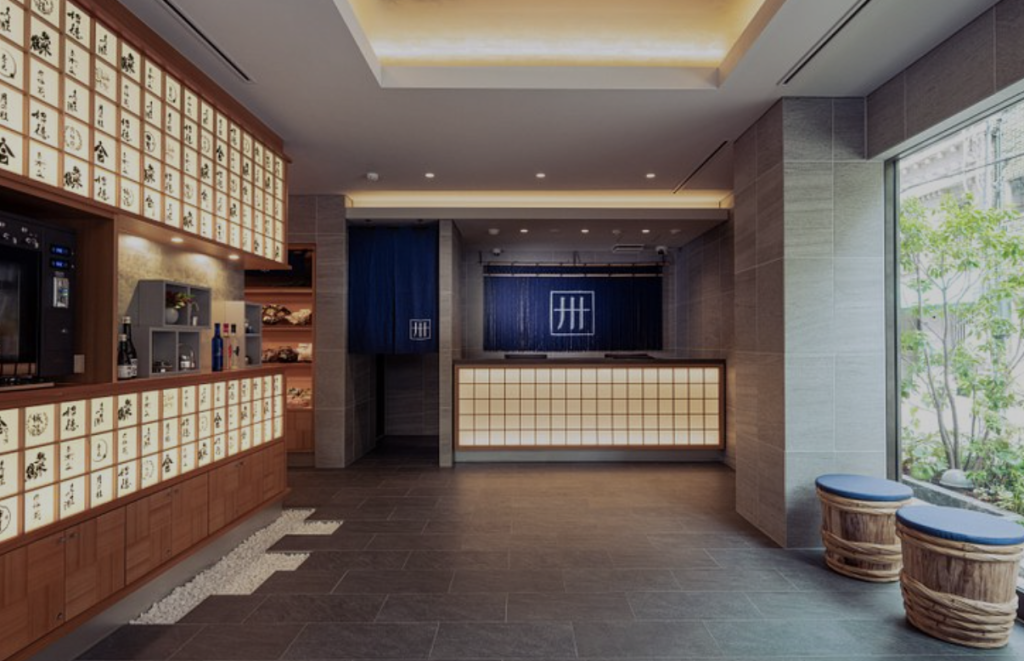
Hotel in Osaka: Mimaru Osaka Shinsaibashi East
For our overnight stay, we chose the Mimaru Osaka Shinsaibashi East, part of the popular Mimaru group known for spacious, apartment-style hotels across Japan.
We booked a family room that was the perfect size for three adults, with a large double bed and a bunk bed. Like most Mimaru hotels, the room included a seating/dining area, refrigerator, microwave, kettle, and kitchenware — ideal for longer stays and families.
The location was excellent, close to Shinsaibashi shopping street, and the staff were kind and welcoming. Highly recommended if you’re looking for comfort and convenience in central Osaka.
What to do in Osaka in one day?
Visit the Osaka Castle
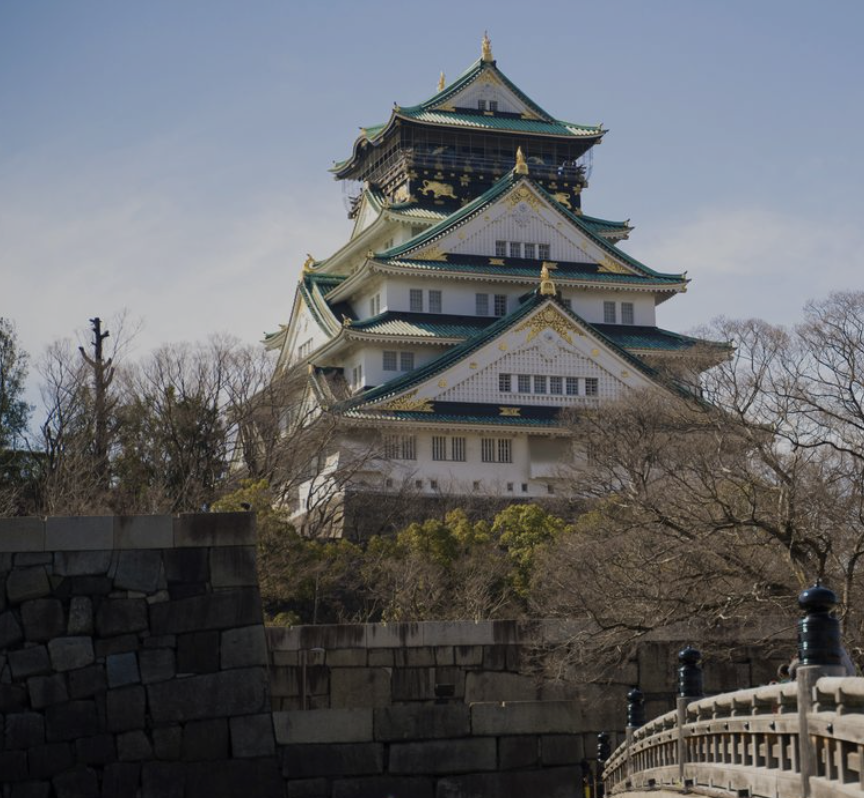
If you’re in Osaka, you really can’t miss Osaka Castle, literally. This castle with its green rooftops and golden details stands proudly in the middle of the city. It’s one of Japan’s most famous castles, and while the version you see today is a modern reconstruction, it’s packed with history and drama.
Originally built in the late 1500s by Toyotomi Hideyoshi, one of Japan’s most powerful samurai leaders, the castle has seen battles, burnings, and several rebuilds. Now, it’s home to a museum, great city views from the top, and beautiful grounds perfect for a relaxing stroll.
Whether you’re into history or just looking for a scenic break from Osaka’s buzz, Osaka Castle is a must-see with something for everyone.
Fun facts about Osaka Castle
Ninja Defense Systems
Despite popular legends, Osaka Castle wasn’t home to ninjas but it was built with serious anti-ninja architecture. Its massive stone walls are angled steeply to make climbing impossible, and its gates are placed in zigzag patterns to confuse and expose intruders.
The “Octopus Stone”
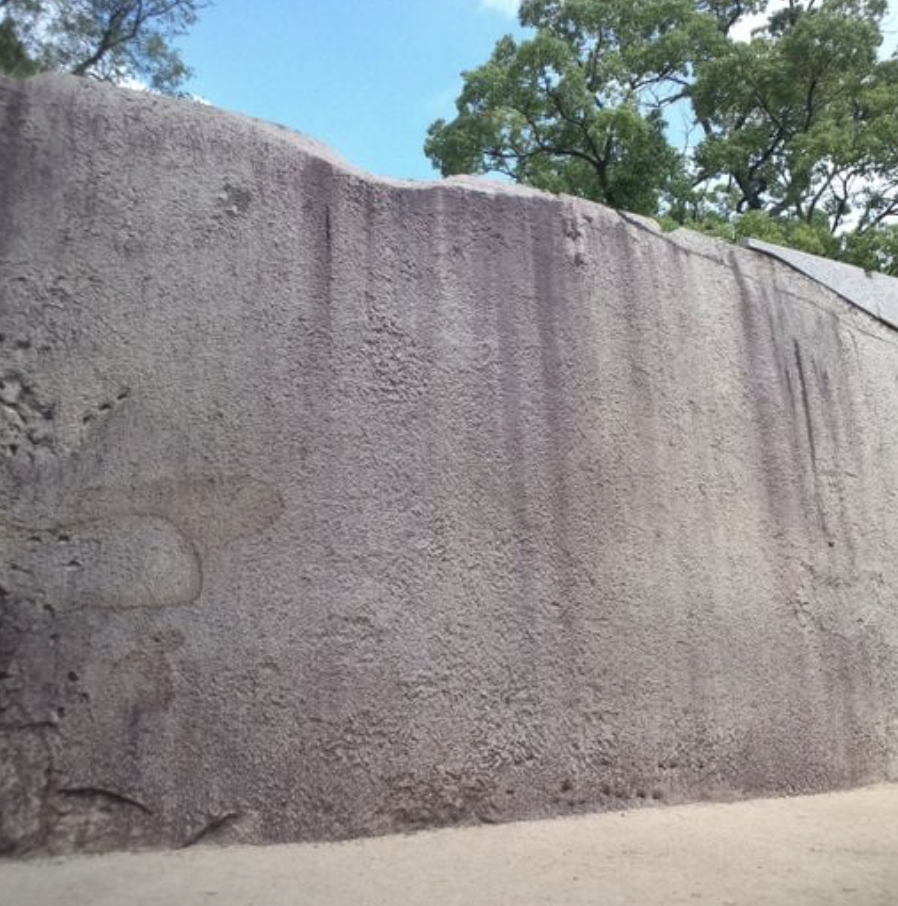
One of the stones in the outer wall, called the Tako-ishi (Octopus Stone), is over 59 m2 in size and weighs an estimated 130 tons. Legend says it’s so big, the image of an octopus appears when it rains. It’s one of the largest castle wall stones in Japan, and was moved without modern equipment over 400 years ago.
Pair your visit with the Osaka Museum of History, located nearby, for panoramic views and interactive exhibits.
Plan around 1 to 2 hours for the castle and grounds.
Explore Dotonbori
No one day Osaka itinerary would be complete without a stop in Dotonbori, the city’s lively entertainment district. The most iconic sight here is the neon Glico Running Man sign. Towering over the canal since 1935 (though updated several times), this neon athlete crossing the finish line has become an icon in Osaka.
Located just above Ebisubashi Bridge, the sign isn’t just a photo op, it’s a ritual. Everyone, locals and tourists alike, strikes the same running pose in front of it. It’s fun, a little cheesy, and totally worth it.
Come at night when Dotonbori is glowing with neon, street food smells are everywhere, and the Glico sign lights up alongside the buzz of the city. It’s Osaka at its loudest, liveliest, and most unforgettable.
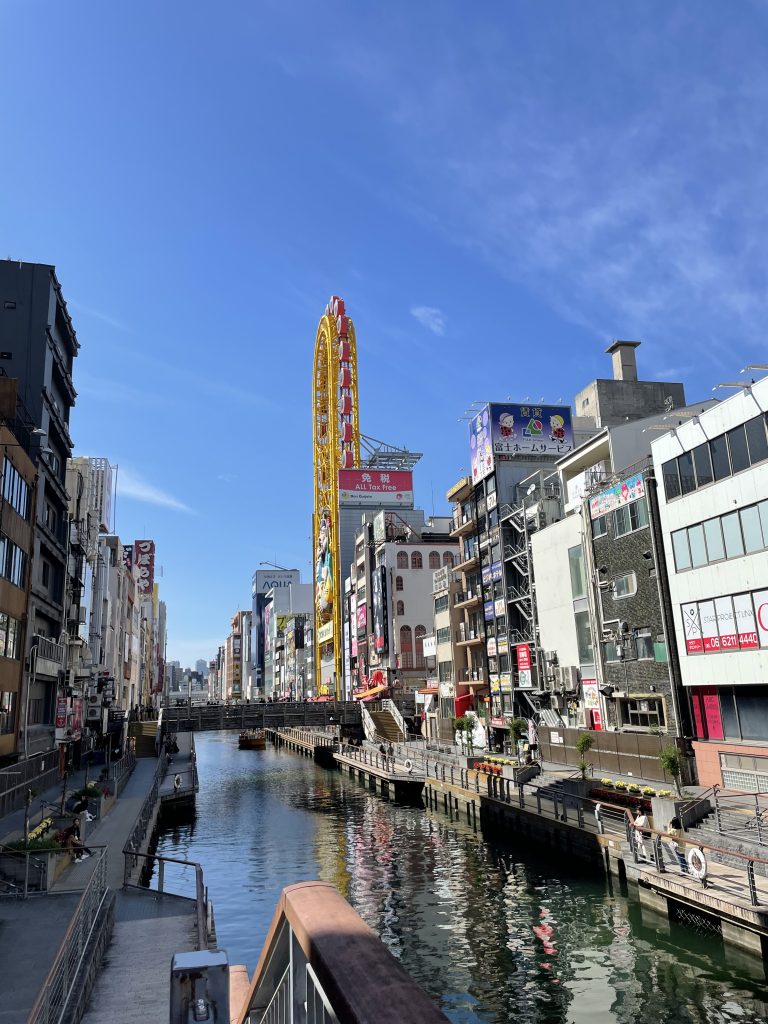
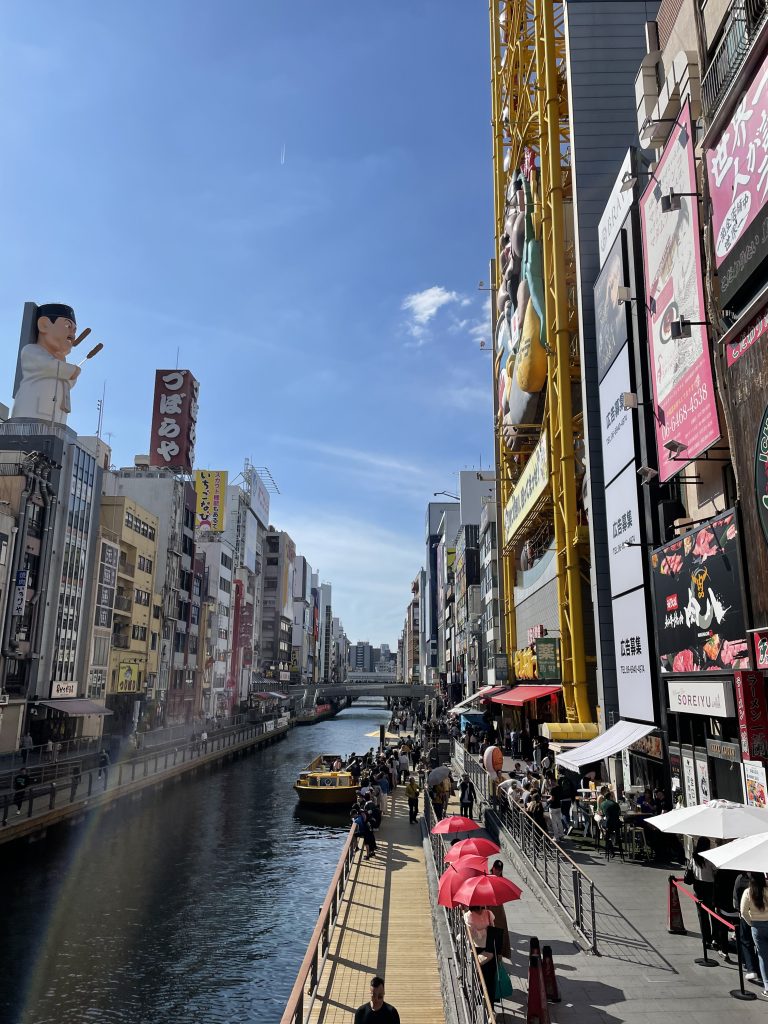
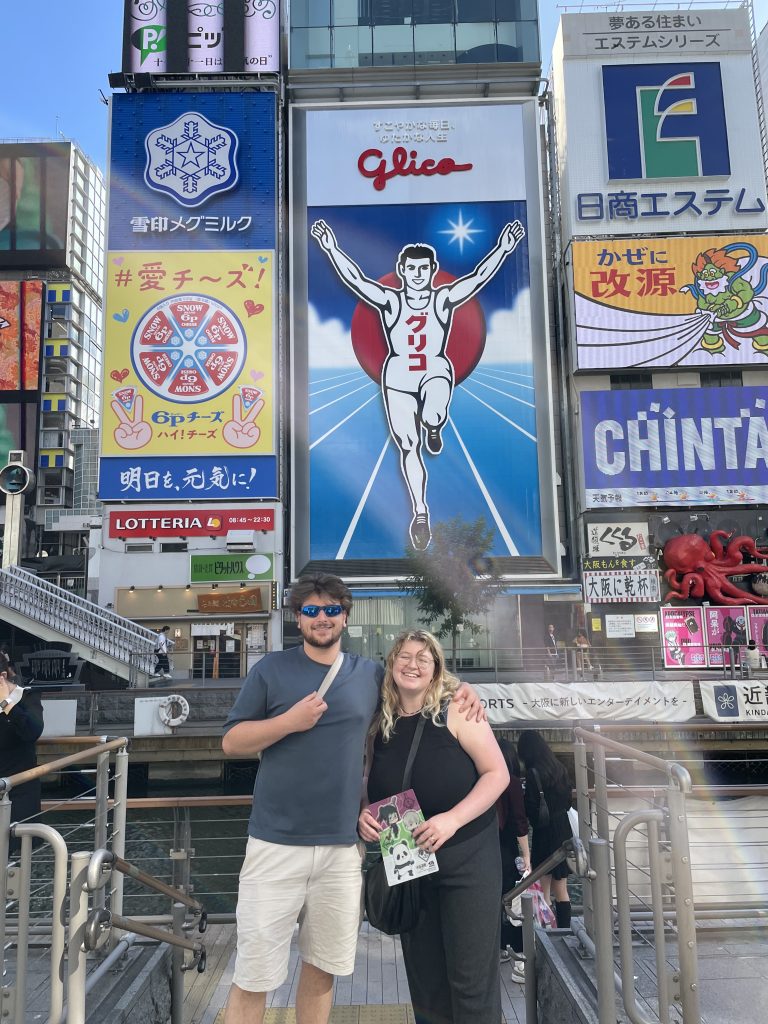
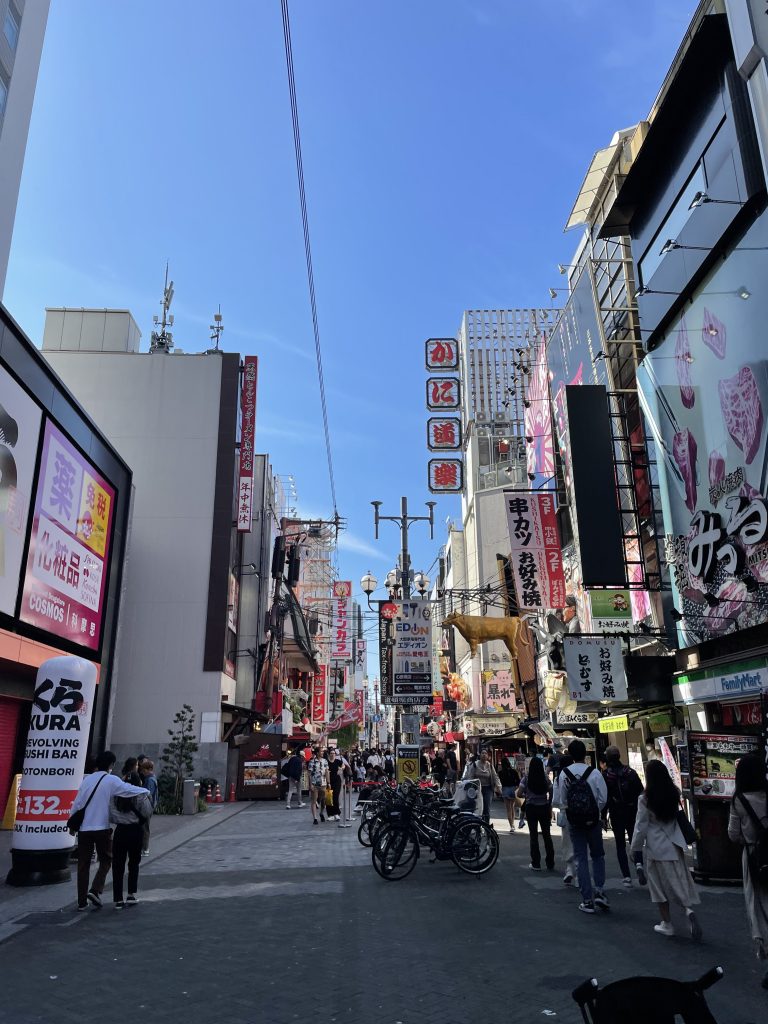
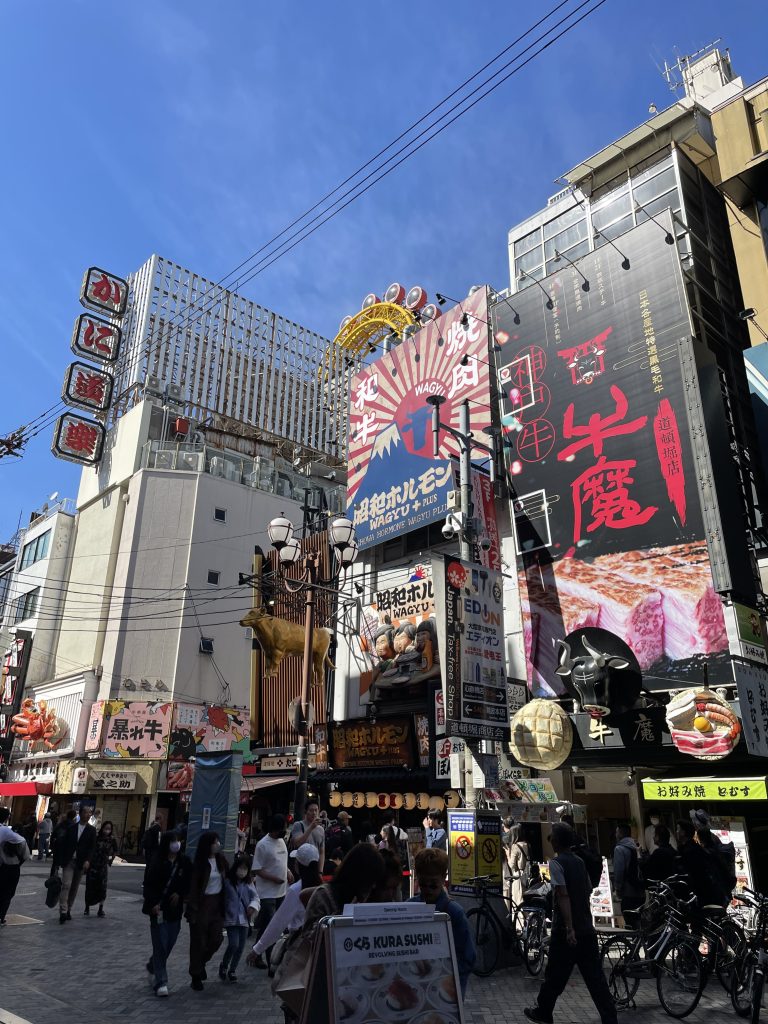
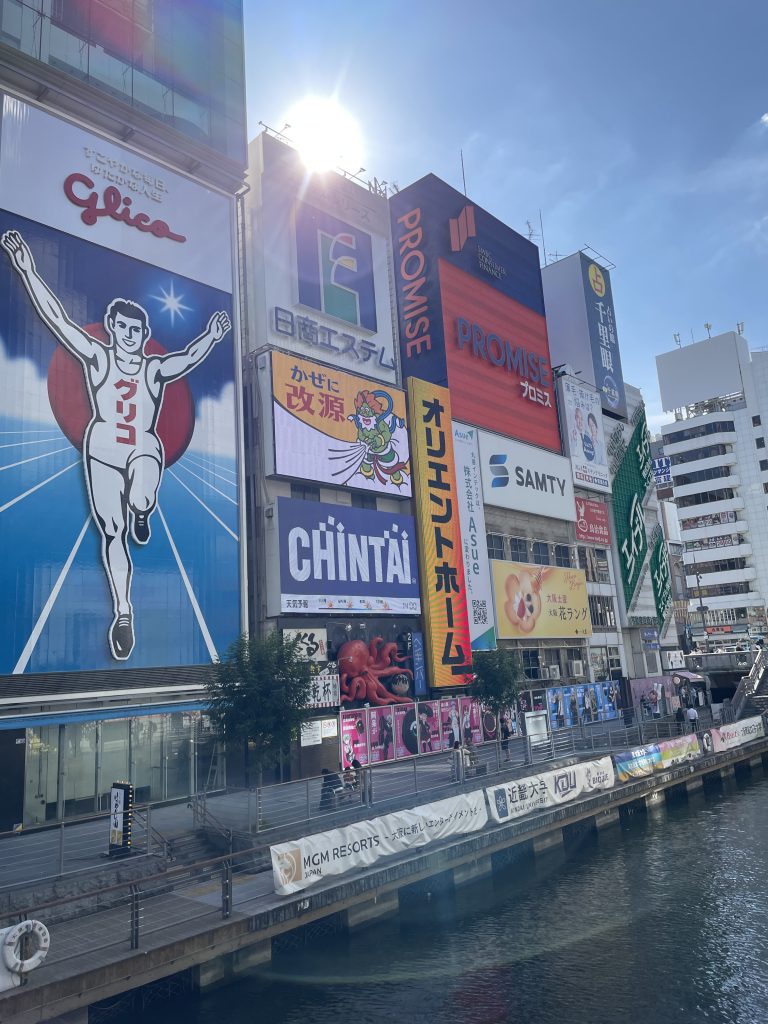
Photo Tips:
- Ebisubashi Bridge (also called Ebisu Bridge)
This is the spot located right in front of the Glico sign, directly over the Dotonbori canal. It’s free, easy to access, and where everyone lines up to do the famous “running pose.”
- You can also consider the riverside balcony behind the Nanohana Ebisubashi shop. This balcony, accessible by stairs near the shop, extends the Glico Running Man track, creating a great photo opportunity. The store is located at 2 Chome-4-5 Shinsaibashisuji, Chuo Ward, Osaka. We didn’t do it because there was quite a queue.
- Also go at night. where the neon lights are at their brightest and the whole area feels electric.
- Bring a wide-angle lens or use the zoom-out setting on your phone to capture the full sign and canal.
- Face north while standing on the south side of the bridge, so the Glico sign is behind you across the water.
Food in Osaka: A Night Tour of Namba
Osaka is often called “Japan’s kitchen”
The city has long been famous for its down-to-earth, comforting street food. Locals are proud of their food culture, and here, eating well is not a luxury, it’s a way of life.
So we decide to go all in and book a tour called Namba After Dark: Bar Hopping and nightlife in Osaka, where we were invited to try several local dishes.
Our first stop with our guide was Manmaru Osaka restaurant. What is fun is that throughout the tour, she would order the food for us and we had no idea what was going to turn up at our table. Of course, she would ask us if there are any allergies and if there was food we did not like, but we were open to try it all.
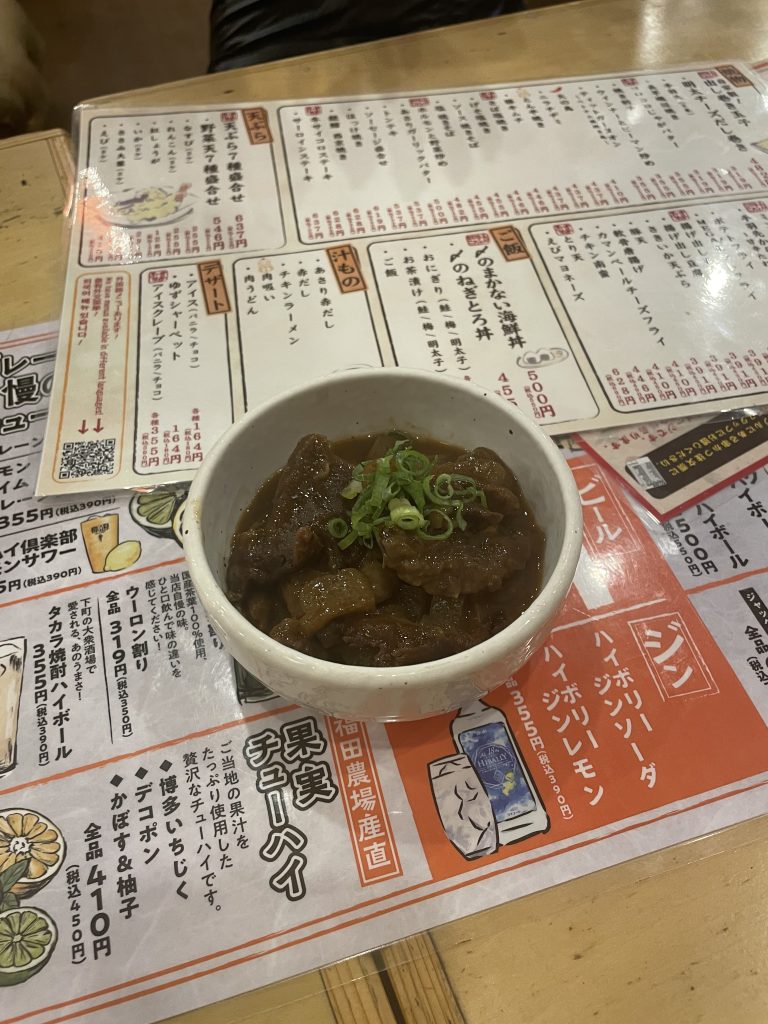
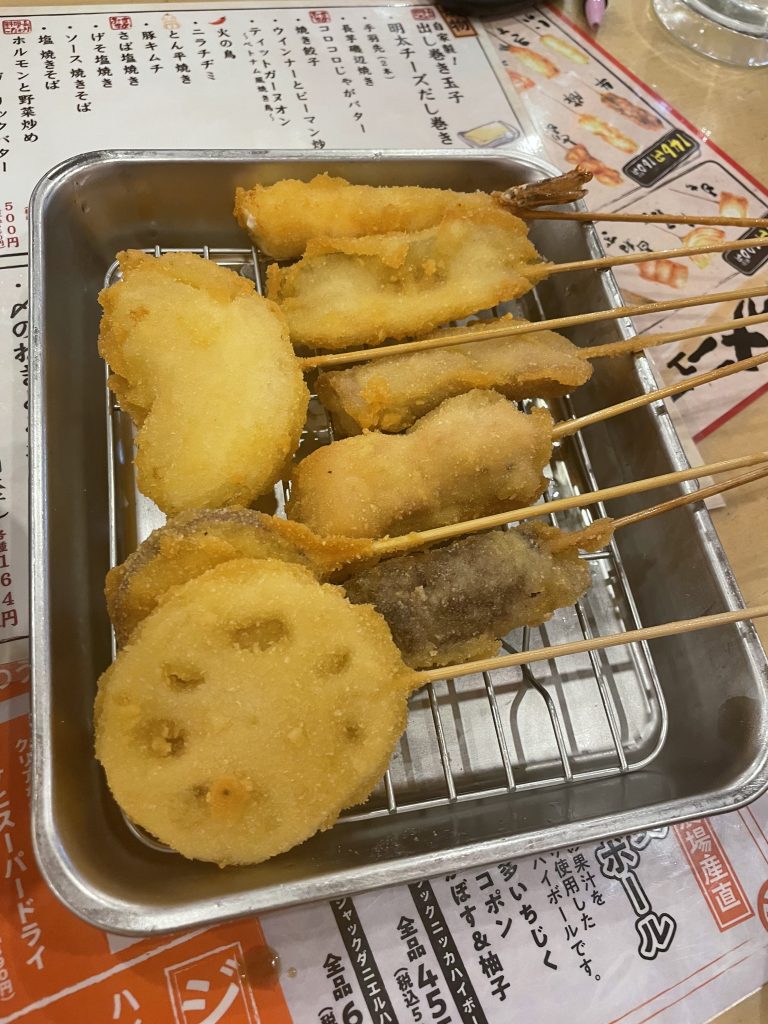
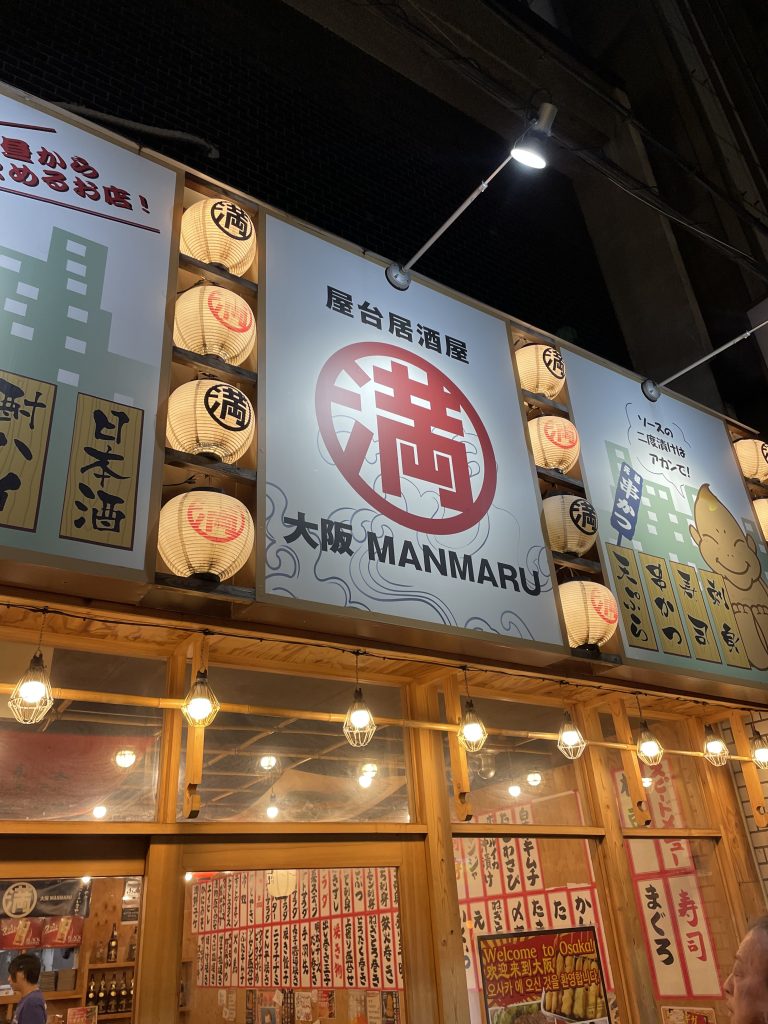
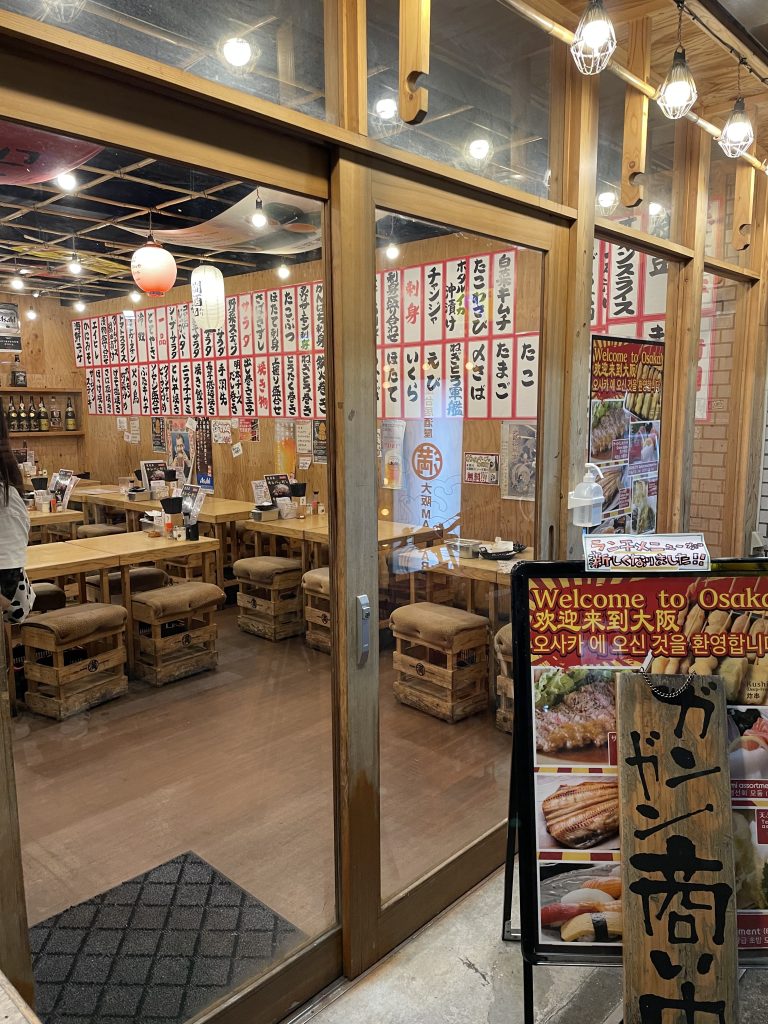
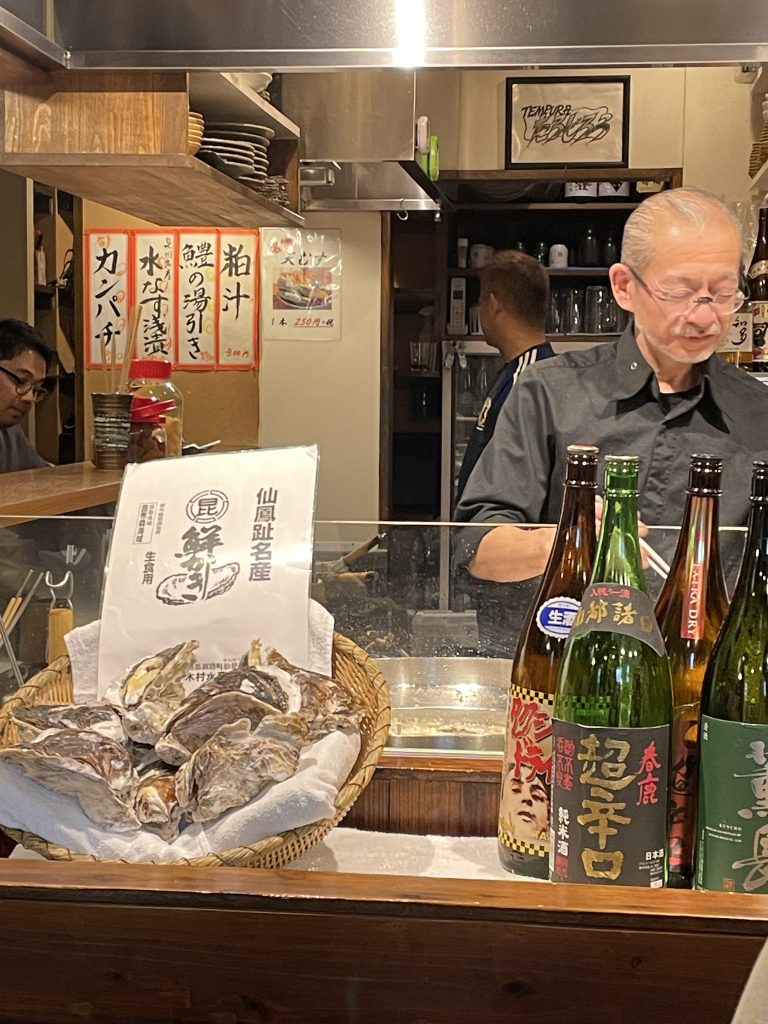
Next, we stopped at Tempura Tarojiro and tried a little sake with our food.

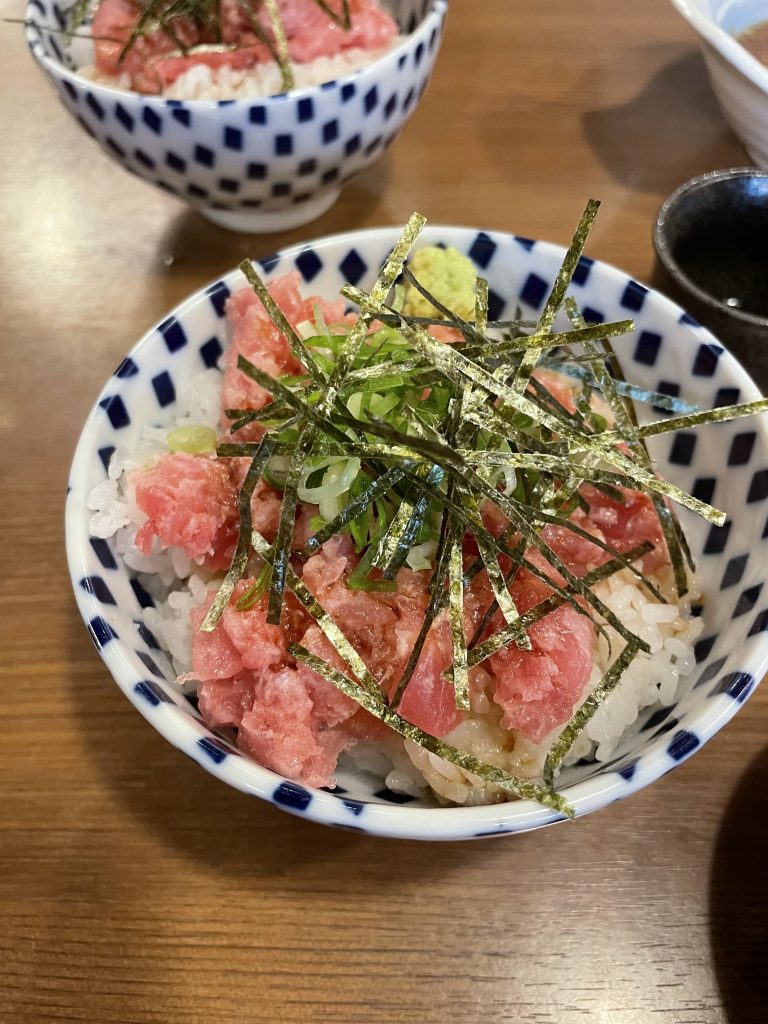
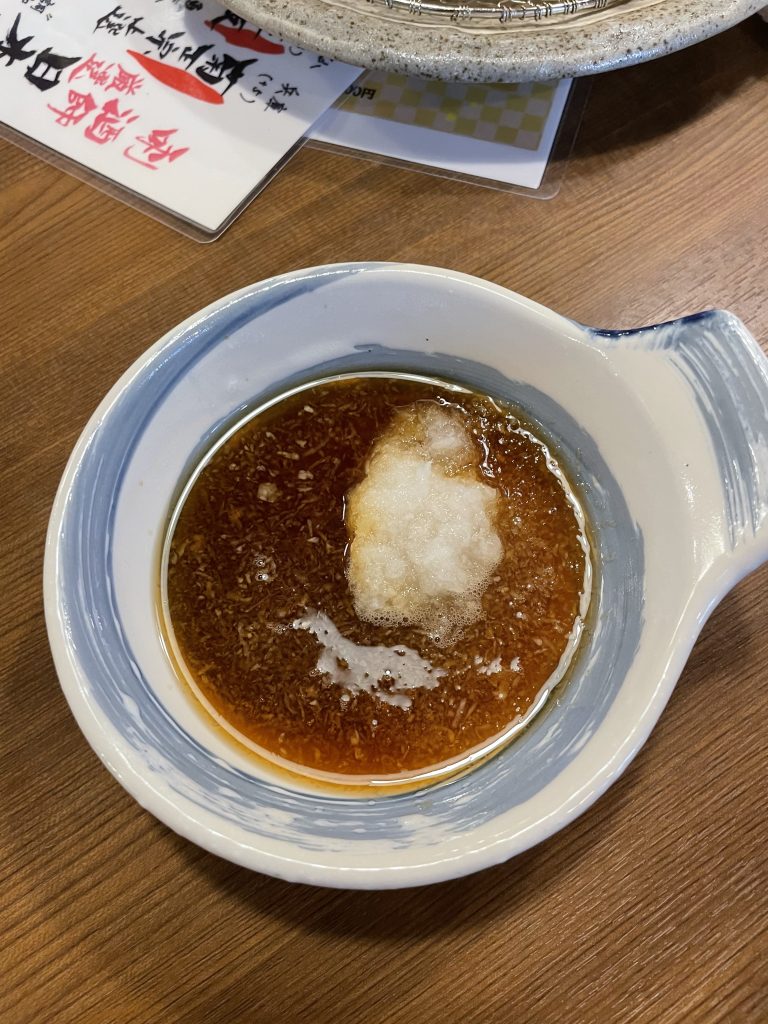
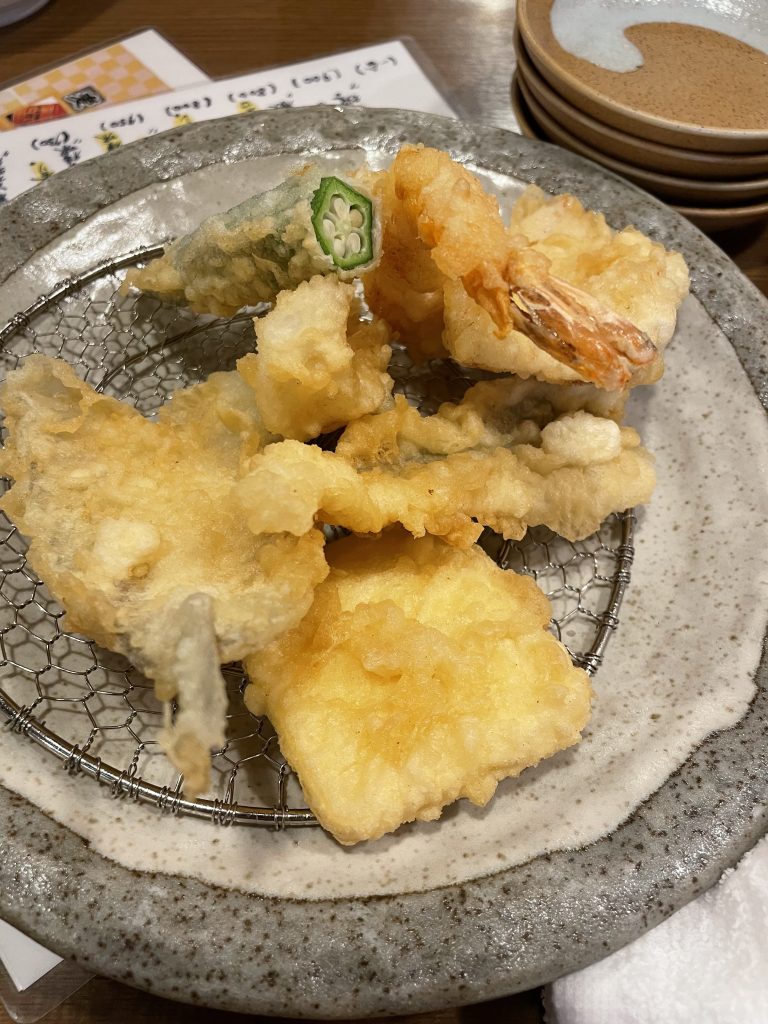
This last place was really fun and delicious. We got to make our own Okonomiyaki in Hatsuse. You are in a private room with a landline so the guide calls and orders, which is something we would not have be able to do alone.
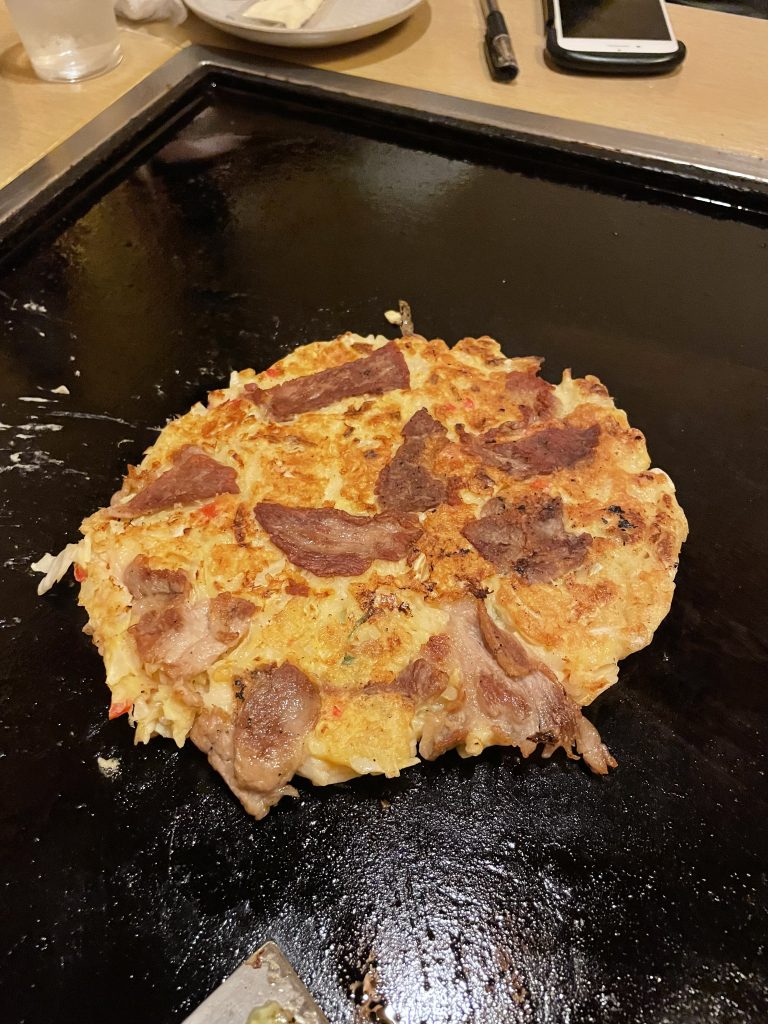
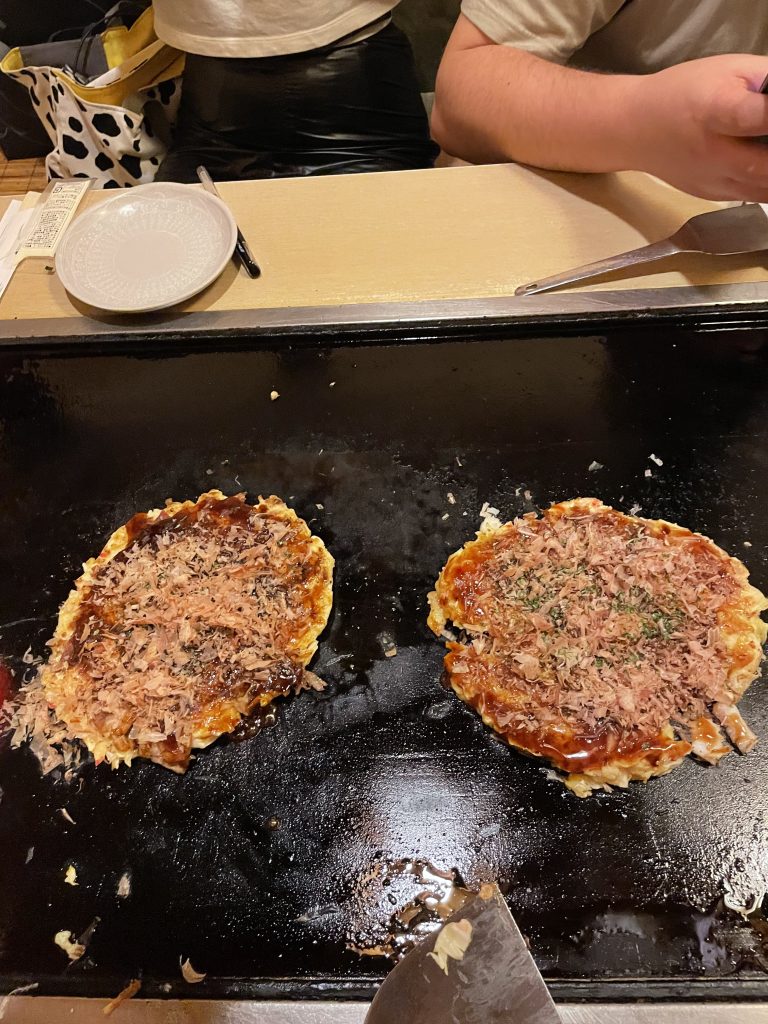
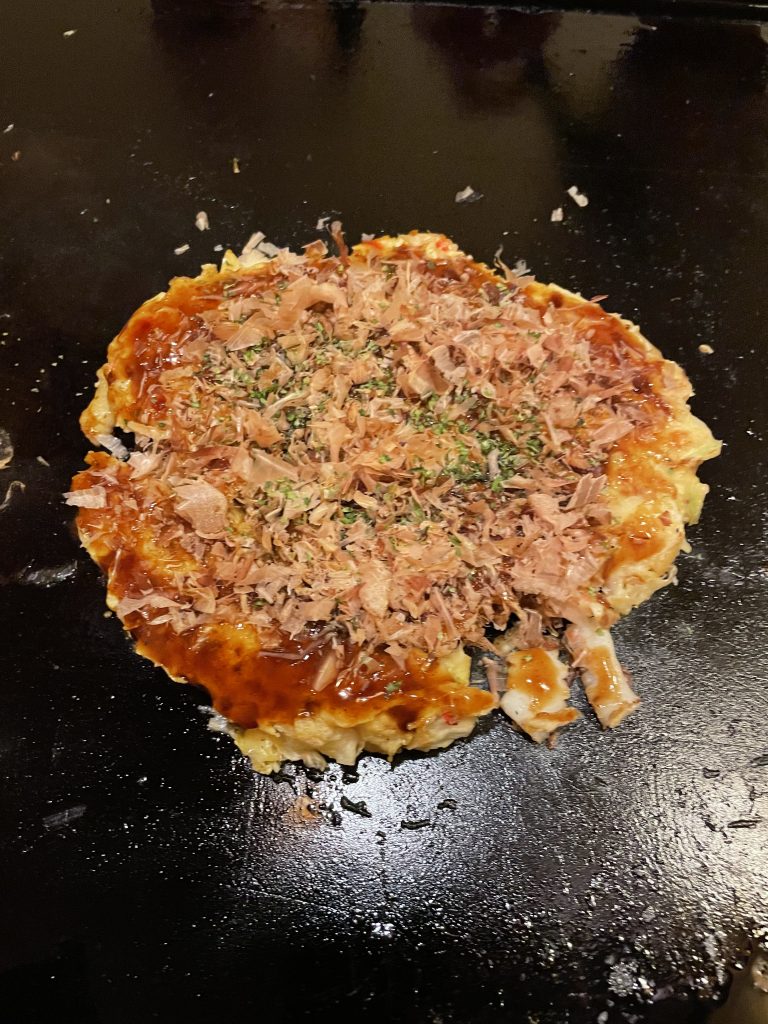
And that conluded our Namba After Dark: Bar Hopping and nightlife in Osaka tour which we highly recommend to all travelling cooks.
Next, we headed back to Tokyo for our last few days in Japan.

Written by Elene Riordan
Welcome to Travelling Cooks! I’m Elene, a 50-ish-year-old British-Belgian woman living in Brussels, surrounded by my beautiful friends and family. This blog is a celebration of my three great passions—travel, restaurants, and cooking. Enjoy!