
Colombia Travel Diary – From the Andes to the Caribbean
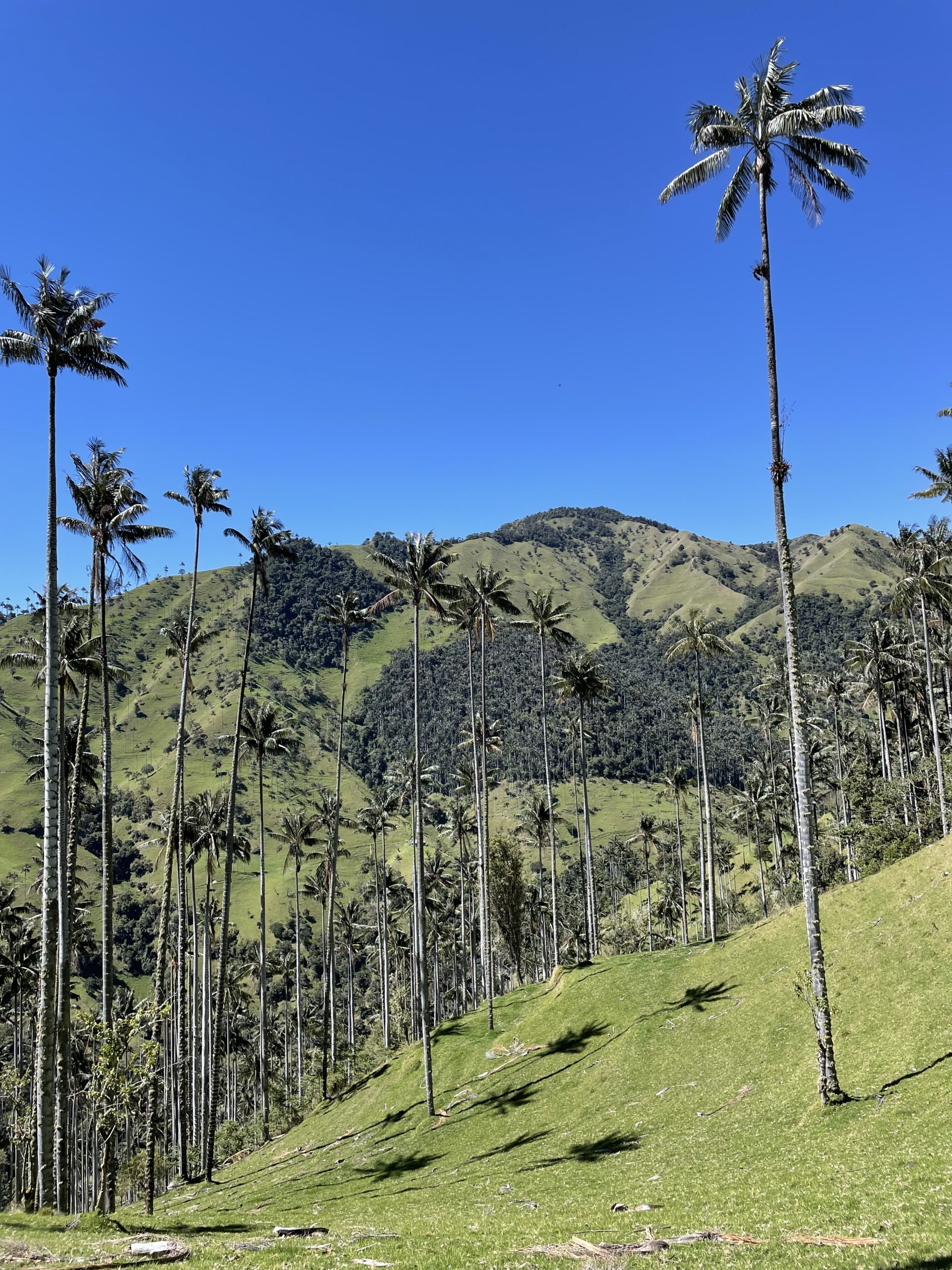
Colombia is a country that surprised us at every turn, from misty mountains and bustling cities to coffee farms, eco-lodges, and the turquoise Caribbean. Everywhere we went, Colombians were so warm and welcoming, always ready with a smile, a story, or a helping hand, making us feel at home from the very first day.
Over three weeks, we meandering across regions that felt like entirely different worlds, each with its own rhythm, colors, and charm.
We would like to take you through our journey, the highlights, the surprises, and the moments that made us fall in love with Colombia.
This article contains affiliate links. If you click through and make a booking or purchase, we may earn a small commission at no extra cost to you. Your support helps us keep Travelling Cooks alive and sharing more recipes and travel tips.
️
Our 15 day Itinerary in Colombia
- Part 1: Bogotá – The Bookends of Our Journey
- Part 2: Salento & La Carbonera – Palms, Waterfalls, and Relaxation
- Part 3: Medellín – The City of Transformation
- Part 4: Santa Marta – Slow Days at Mundo Nuevo
- Part 5: Tayrona & Cacao Magic
- Part 6: Cartagena – Colors, History, and Lively Streets
- Part 7: Isla Barú – Ending on a High Note
Part 1: Bogotá – The Bookends of Our Journey
Bogotá was both the first ¡Hola! and the last Adiós of our Colombian adventure. High in the Andes at 2,640 meters, the city mixes colonial charm, world-class museums, and dizzying heights.
We stayed first at Hotel Dios, with its arty, boutique feel, and set off for a whirlwind day: exploring La Candelaria, smiling at the plump figures in the Botero Museum (free entry), marveling at the treasures of the Gold Museum, and taking in the views from Monserrate. By evening, we felt like we’d packed a week into one day.
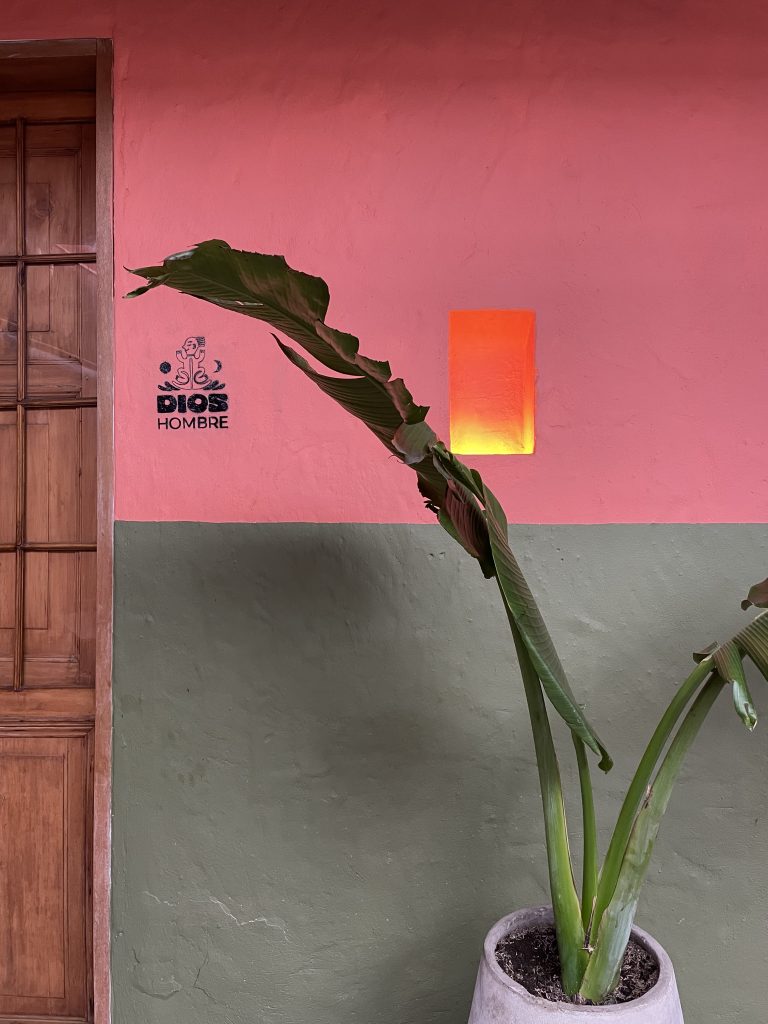
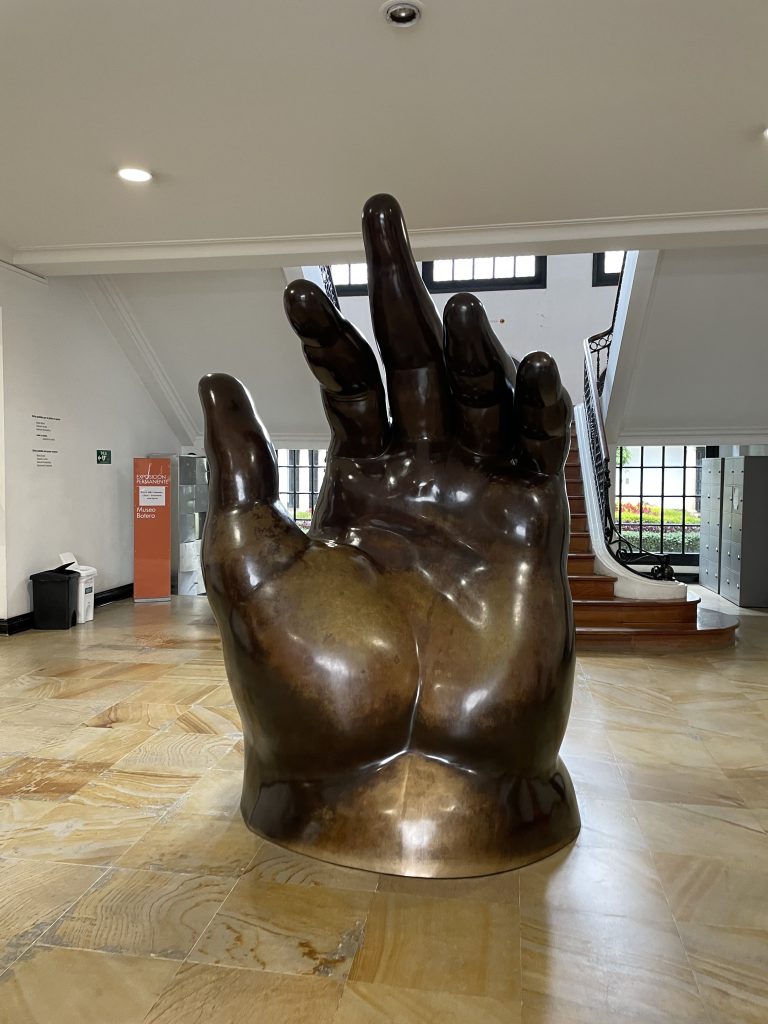
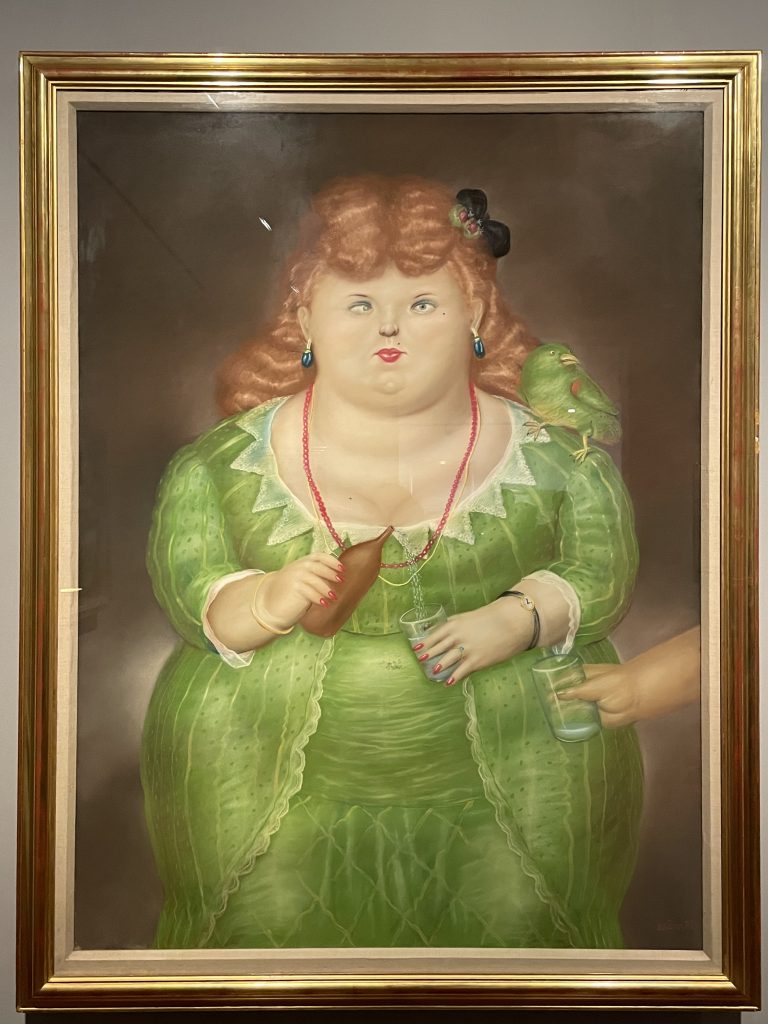
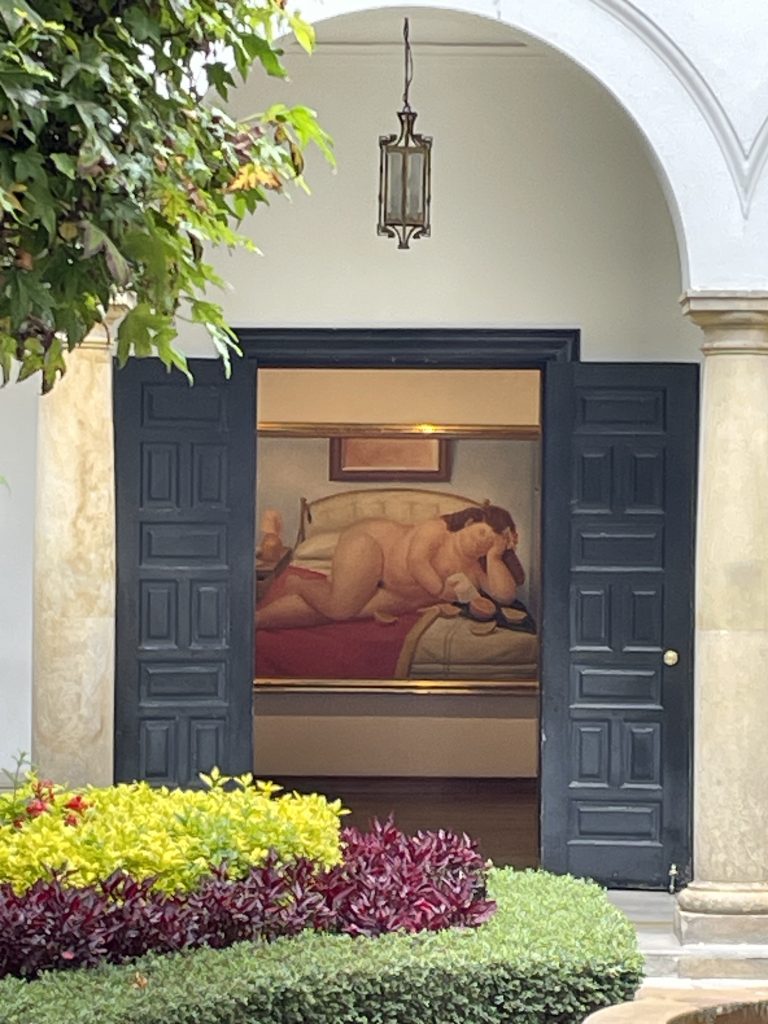
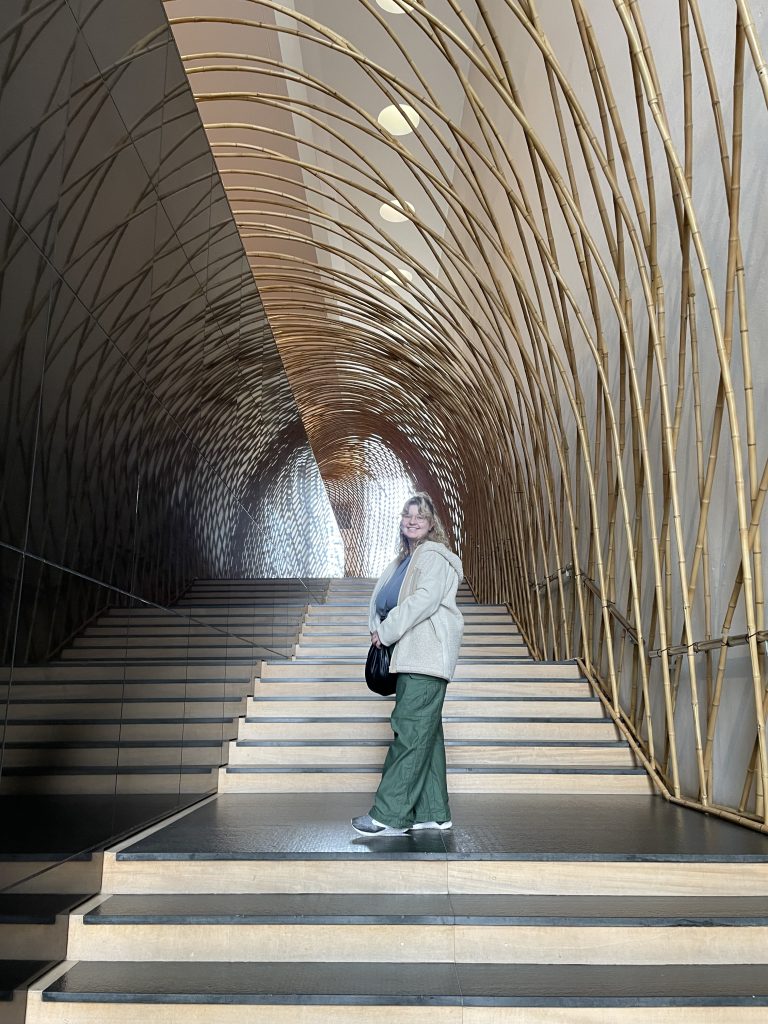

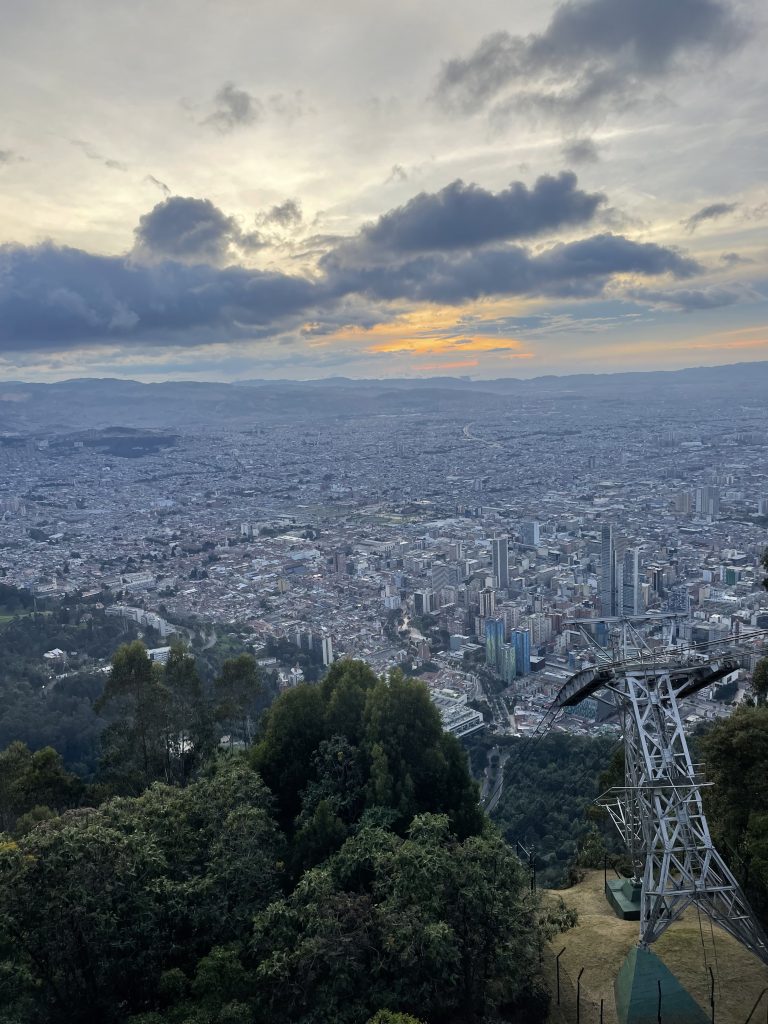
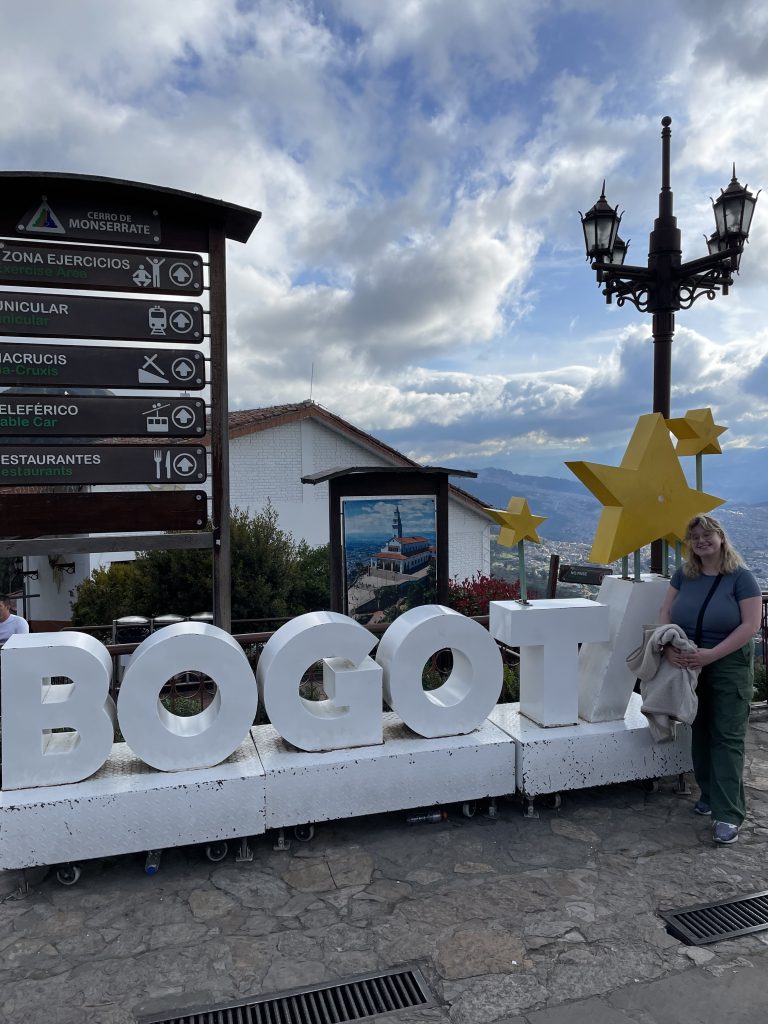
That first day was also our introduction to Bogotá’s contrasts: the grandeur of Plaza de Bolívar, where history and politics meet, the intricate neo-Gothic details of the Iglesia del Carmen, and the lively streets of La Concordia with their colorful murals and buzzing atmosphere. Every corner seemed to tell a different story, from colonial times to modern street art.
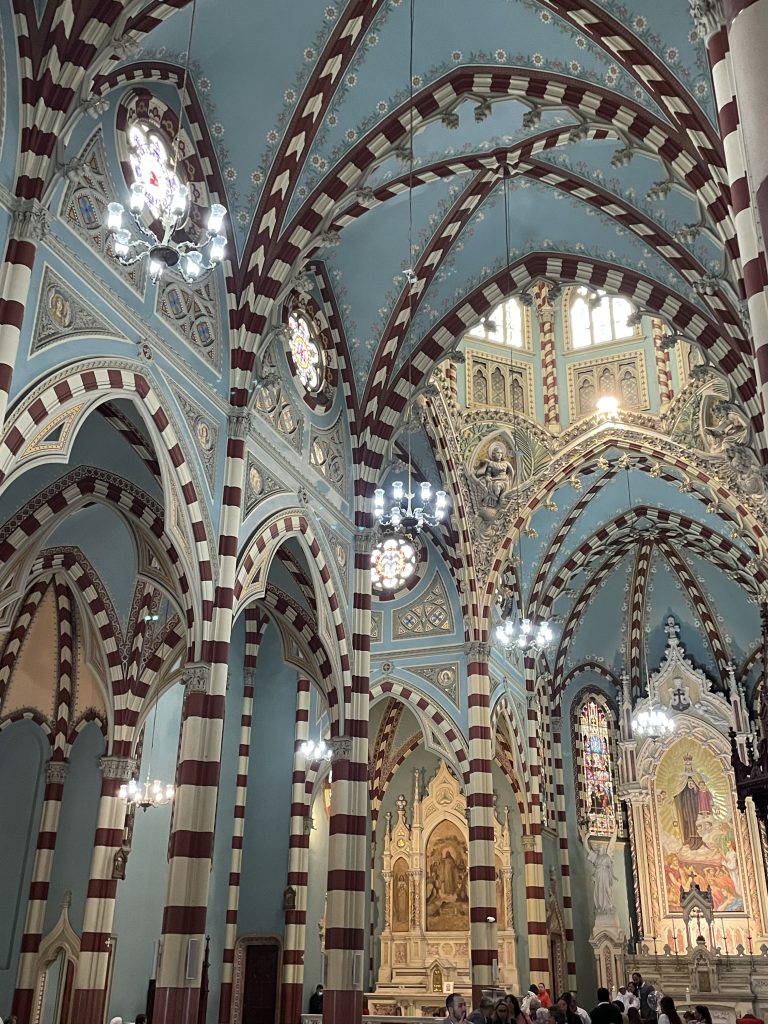
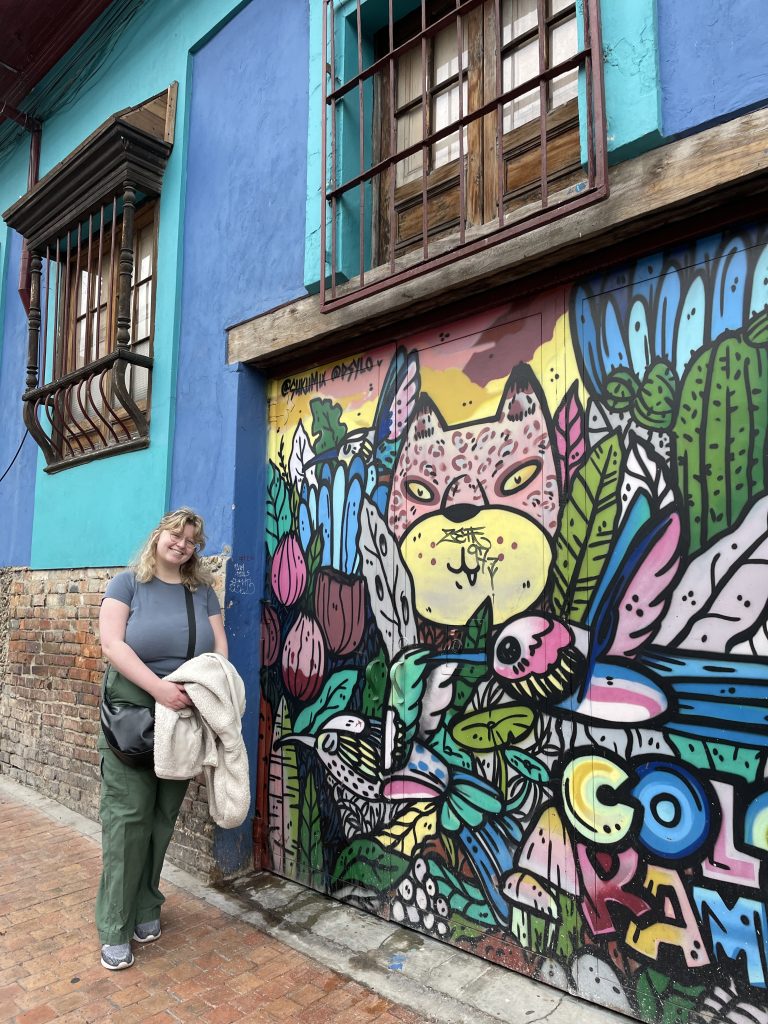
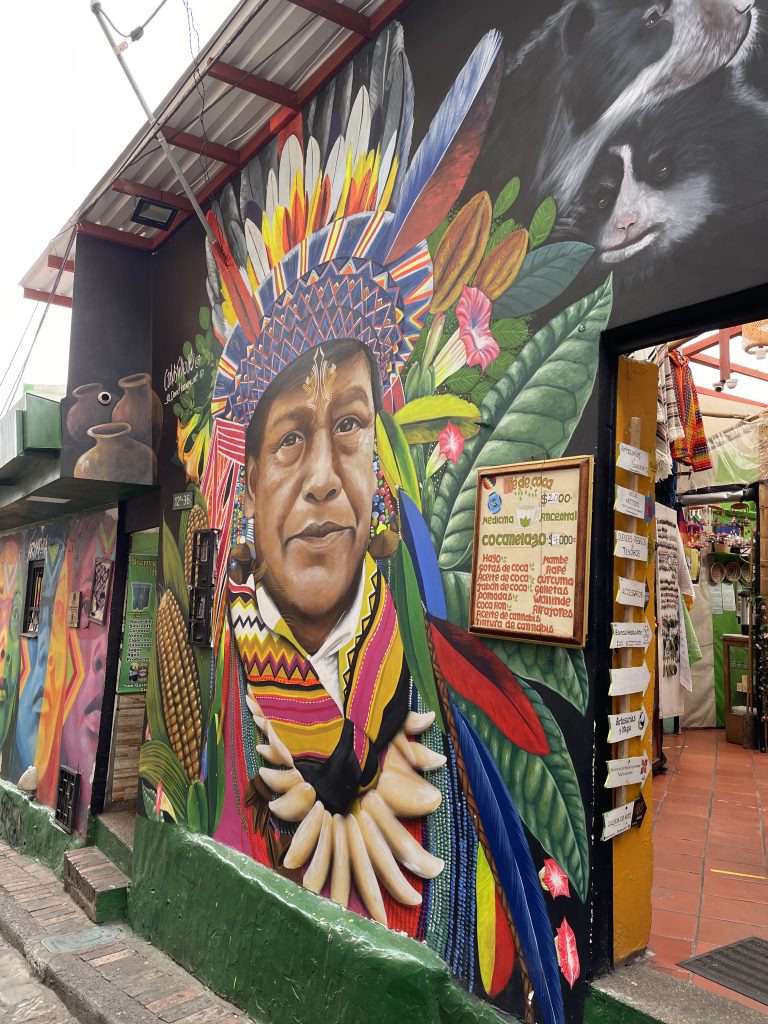
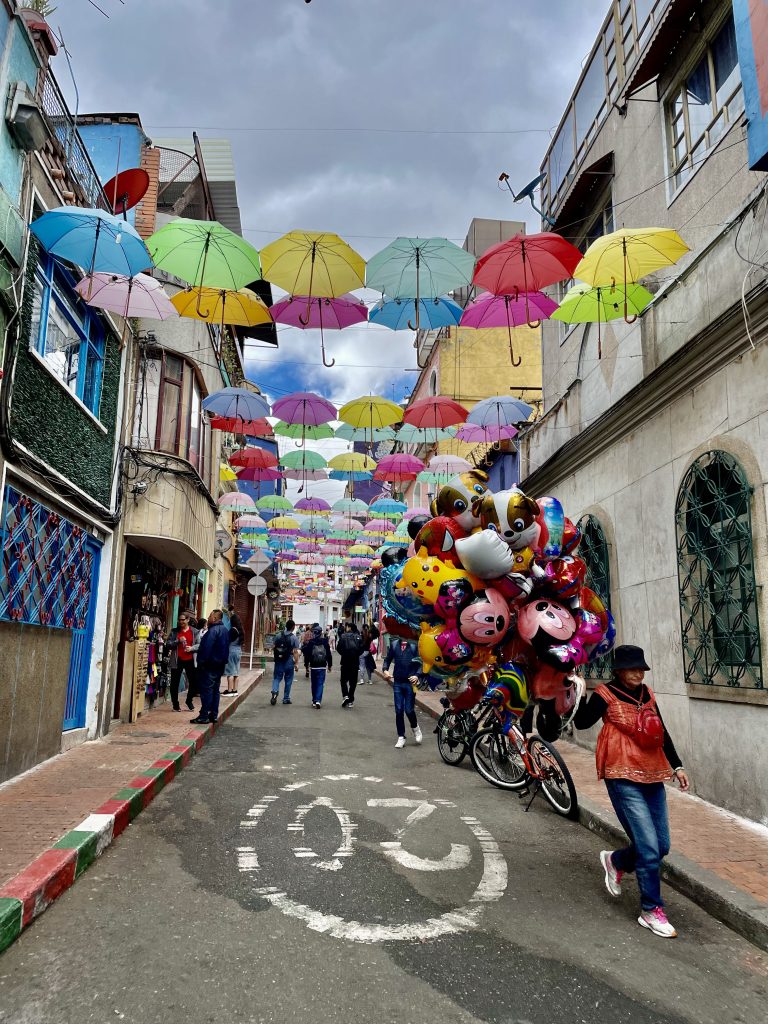
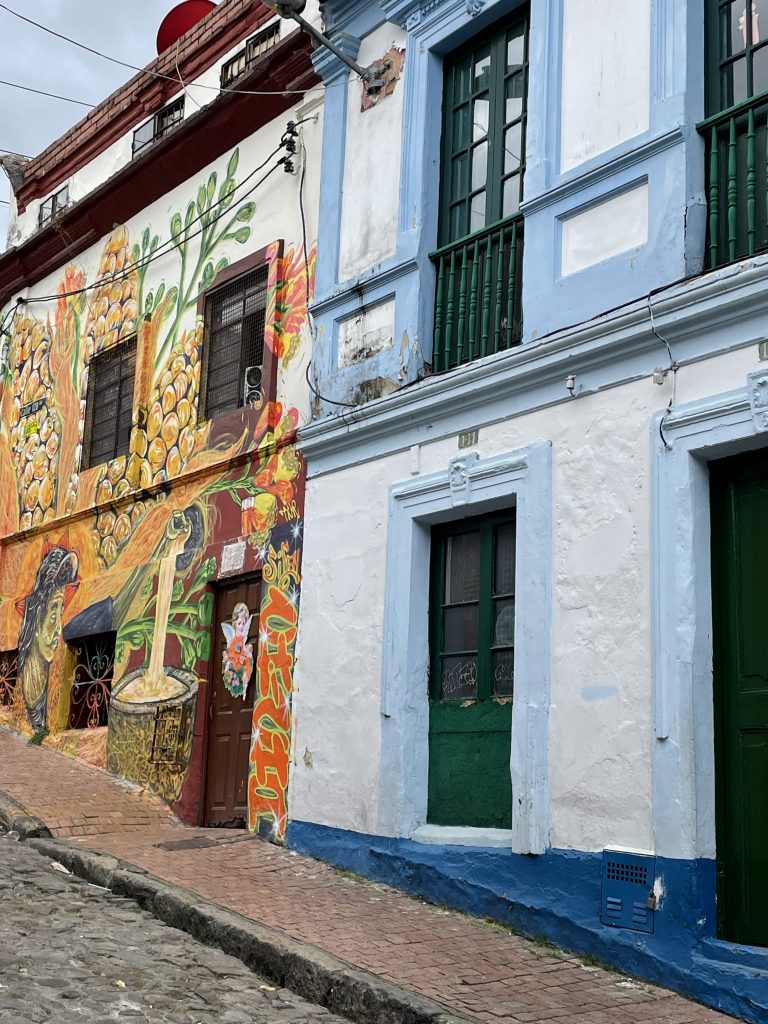
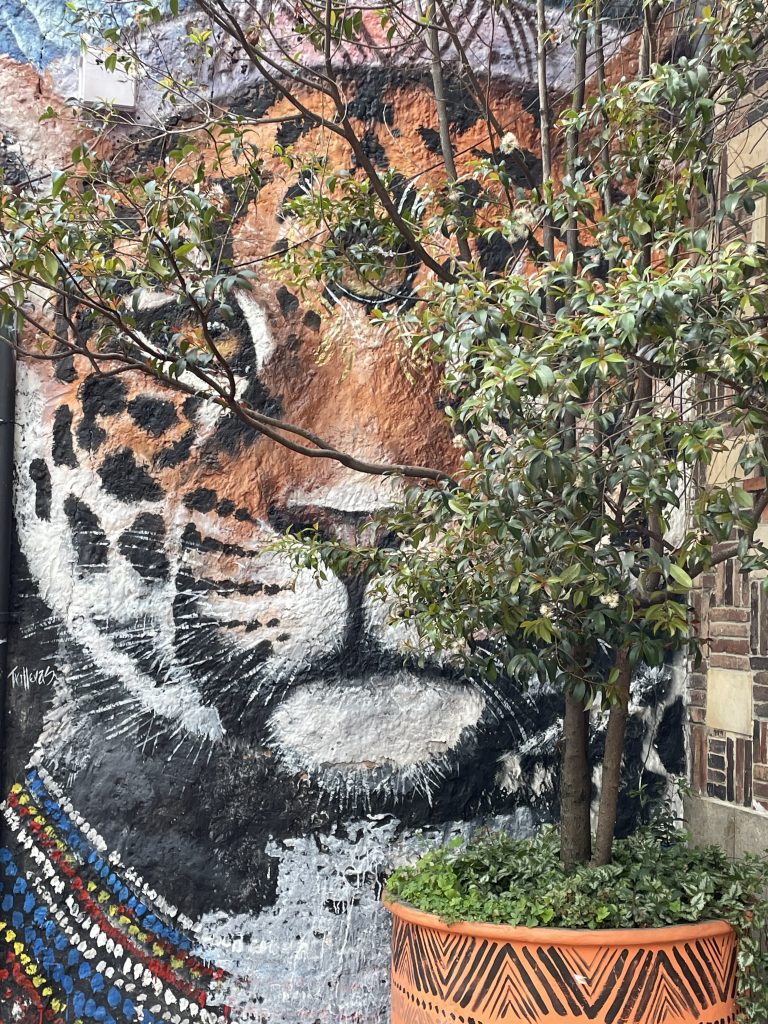
On our return, we based ourselves at HAB Hotel Bogotá, in a calmer neighborhood. A morning stroll through Bosque Calderón showed us a quieter side of the city – leafy streets, families out walking, and kids playing – the perfect way to wind down before flying home.
Hotels in Bogota:
- Boutique, artsy vibe with stylish decor and a creative atmosphere.
- Known for its excellent breakfasts with a view on the city.
- Room rates: around $90–120 per night depending on season.
- Contemporary boutique hotel in a quieter neighborhood (Chapinero Alto).
- Stylishly designed with lush greenery, a calm atmosphere, and a great restaurant.
- Rooms: from $110–140 per night.
What we did in Bogota:
La Candelaria
- Bogotá’s historic heart with colorful colonial houses, cobbled streets, and plenty of street art.
- Free to wander or a guided walking tours cost about $10–15 per person.
Botero Museum
- Showcases Fernando Botero’s famous plump figures, plus works by Picasso, Dalí, and others.
- Entry: Free.
- Open Tuesday–Sunday, 9 AM–7 PM (closed Mondays).
Plaza de Bolívar
- The city’s grand central square, home to the National Capitol, the Cathedral, and pigeons galore.
- Free to visit.
- Street vendors often sell exotic fruits here – a fun first glimpse of Colombia’s tropical bounty.
Iglesia del Carmen
- Striking red-and-white striped neo-Gothic church, dating back to the 1930s.
- Entry: Free (donations welcome).
- Worth stepping inside for the ornate details and peaceful contrast to the busy streets.
La Concordia Neighbourhood
- A colorful area near La Candelaria with murals, local shops, and daily life unfolding in the streets.
- Free to explore or go on the guided graffiti tour which cost about $10–15 per person
Gold Museum (Museo del Oro)
- One of Bogotá’s most famous museums, with over 55,000 gold artifacts from Colombia’s pre-Hispanic cultures.
- Entry: around 5,000 COP (~$1.25 USD); free on Sundays.
- Allow at least 1–2 hours to explore.
Monserrate
- Towering mountain overlooking Bogotá at 3,152 meters (10,341 ft).
- Reach the top by cable car or funicular: 14,000–25,000 COP round trip, depending on day/time.
- Bring water – it’s hot, high, and a bit of a workout if you walk around at the summit.
- Sweeping panoramic views, a church, and small cafés at the top.
Part 2: Salento & La Carbonera – Palms, Waterfalls, and Relaxation
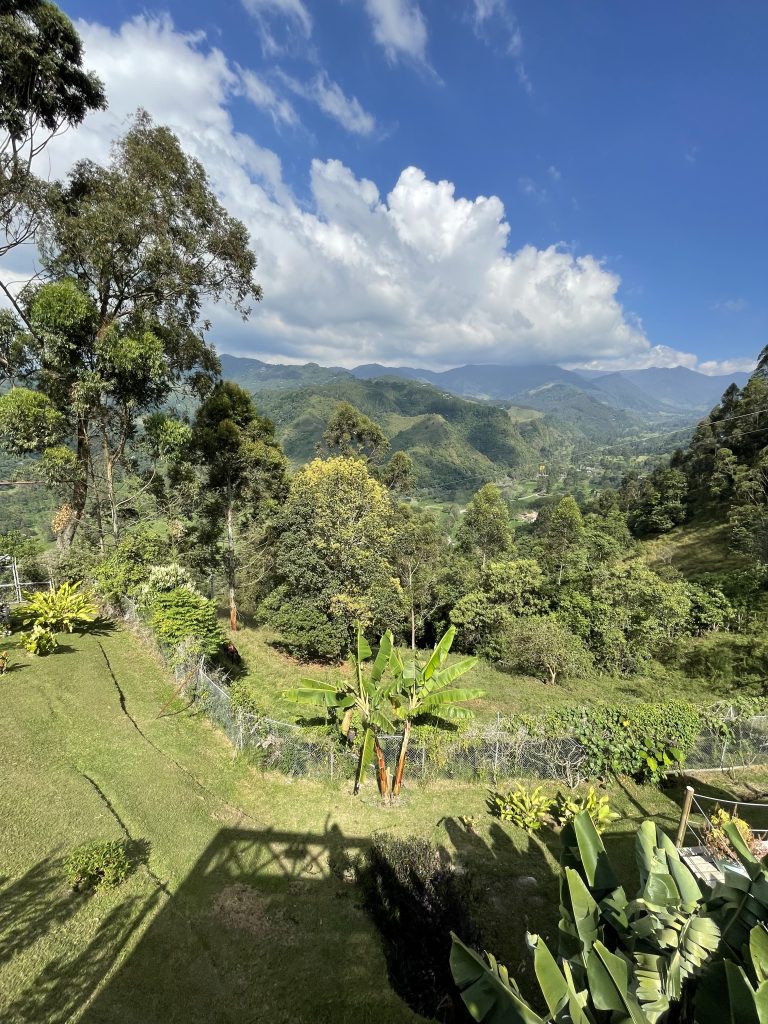
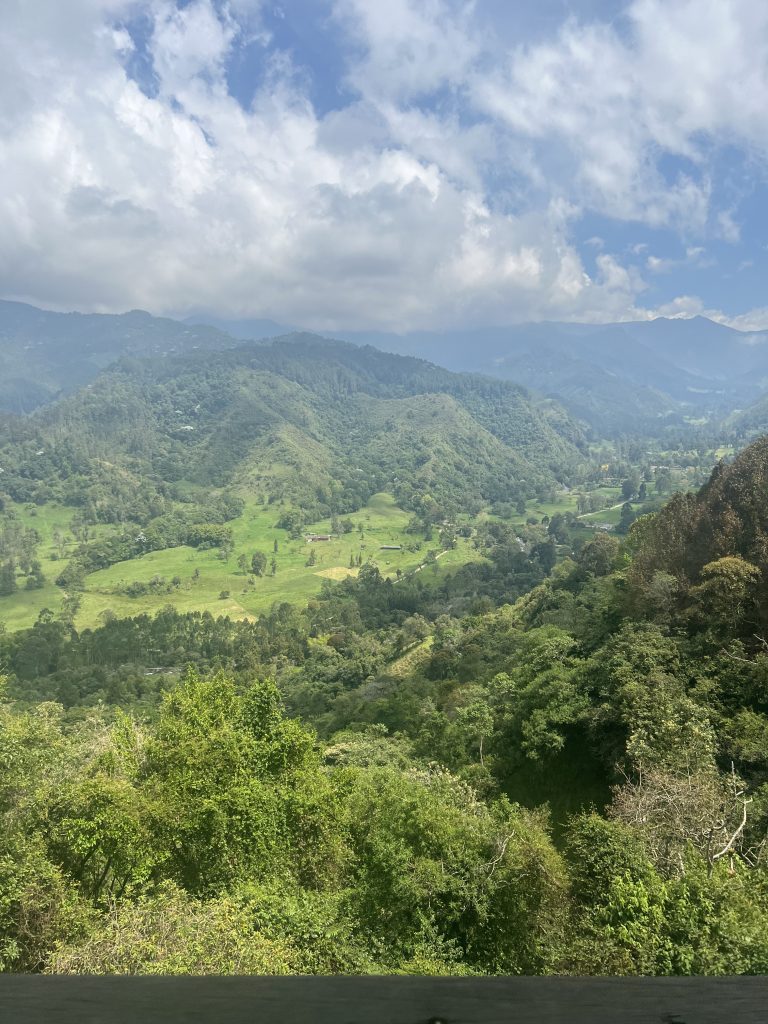
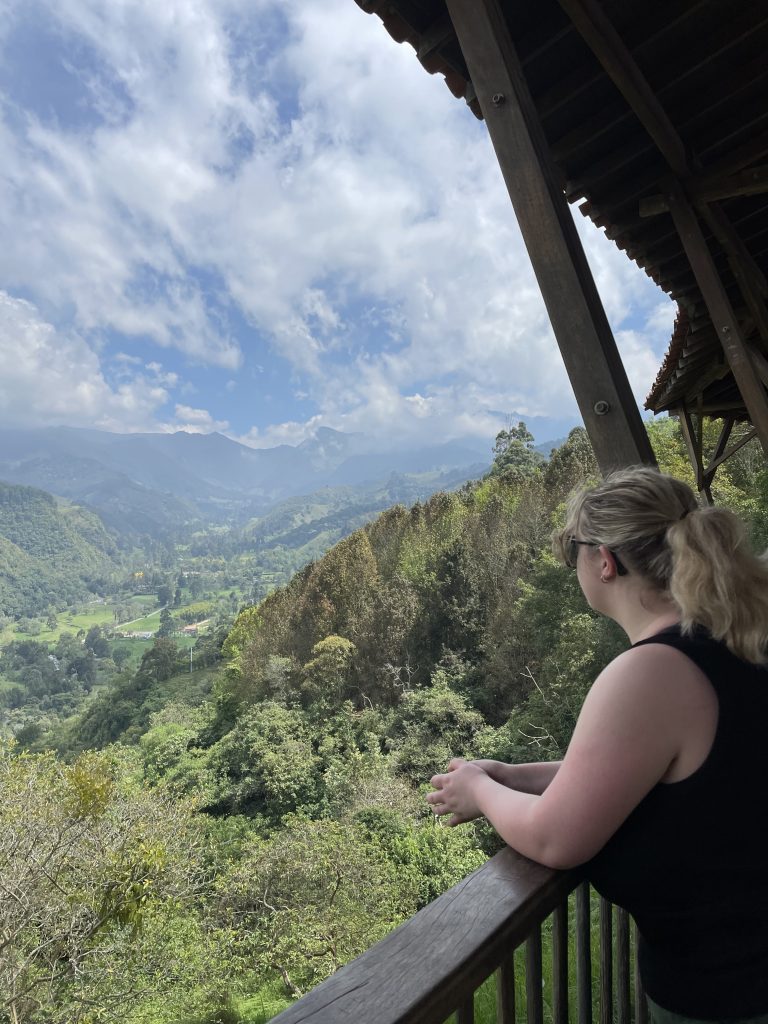
Flying from Bogotá to Salento, we were whisked away to Hotel Kawa Mountain Retreat, a serene hideaway in coffee country. The staff arranged an unforgettable day trip to La Carbonera. It was a bumpy jeep ride with other guests, followed by a three-hour hike past towering palms to a refreshing waterfall.
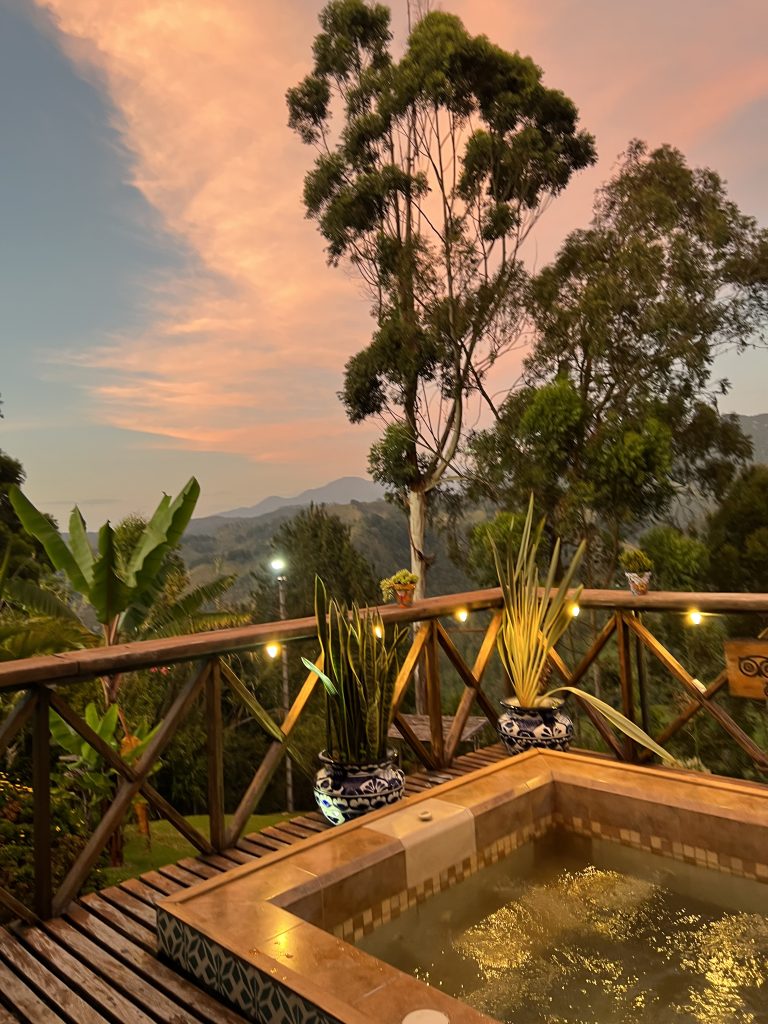
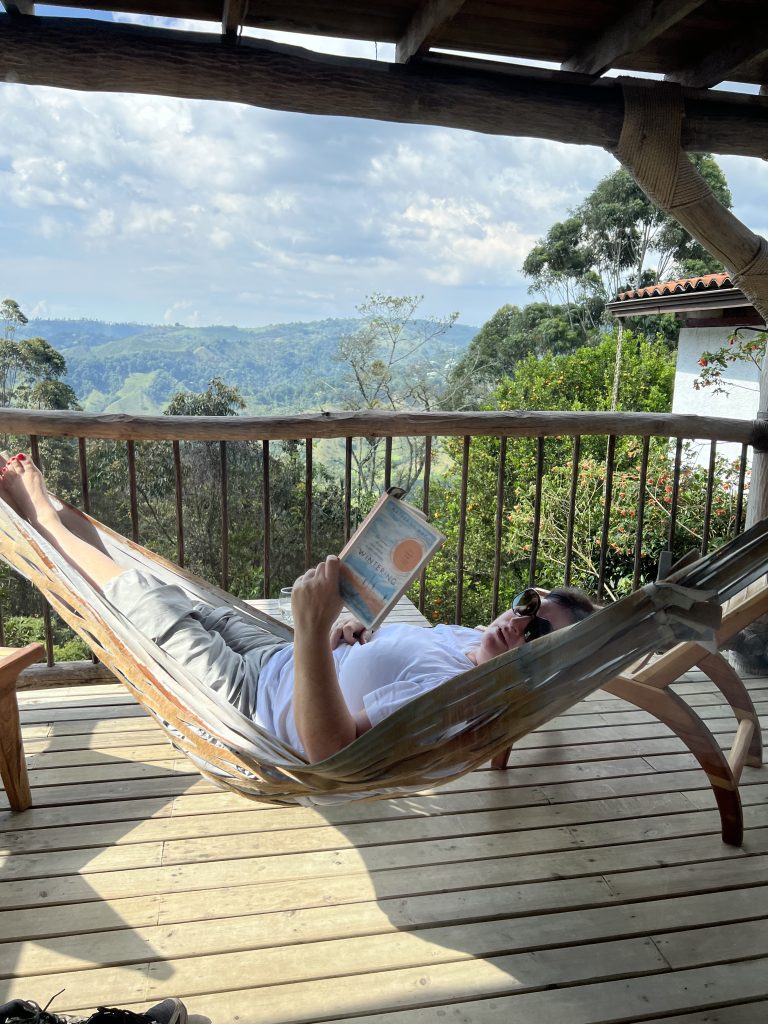
An absolute must is La Carbonera! With fewer crowds than Cocora Valley and way more wax palms, the world’s tallest palm tree and Colombia’s national symbol.
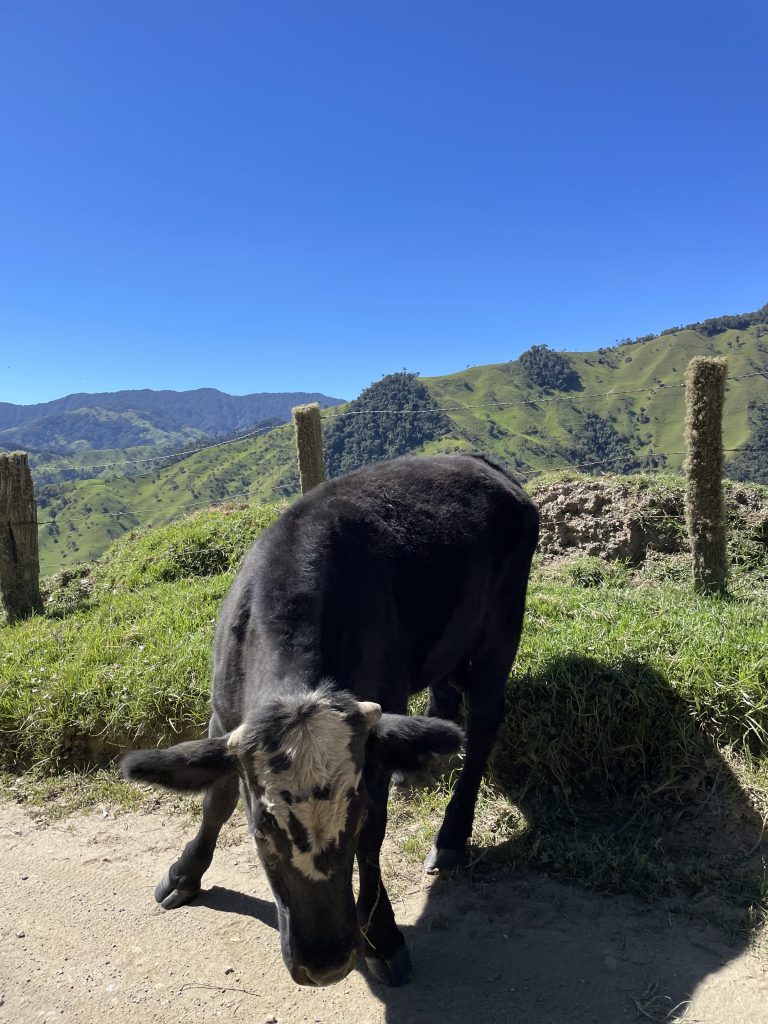
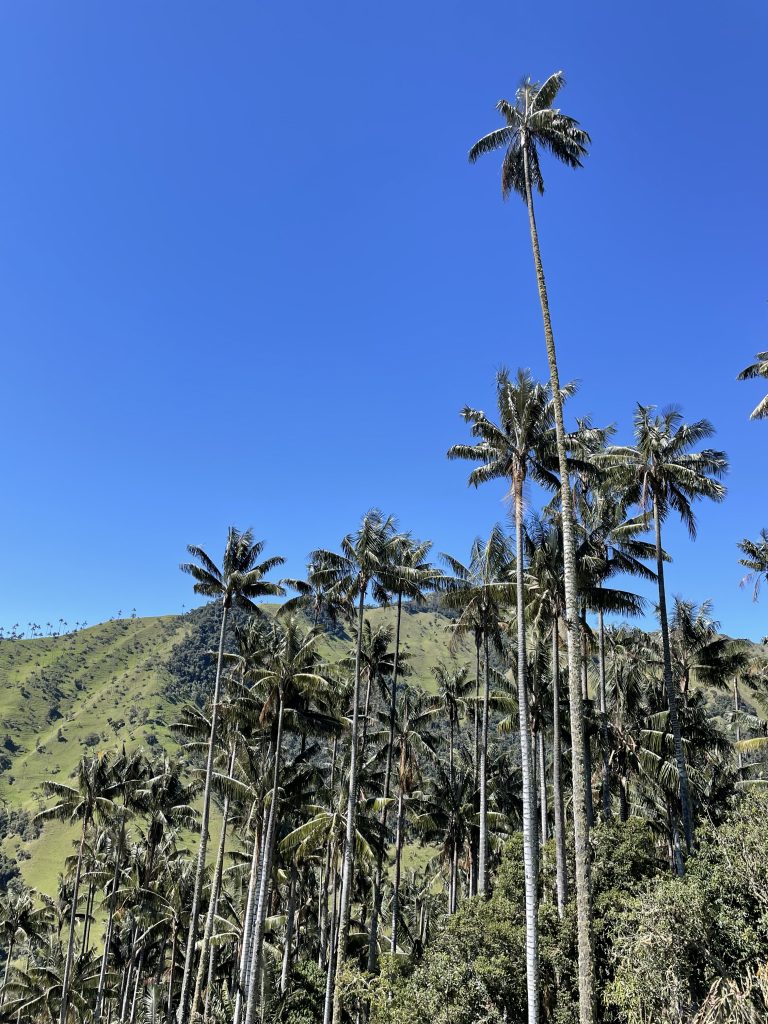
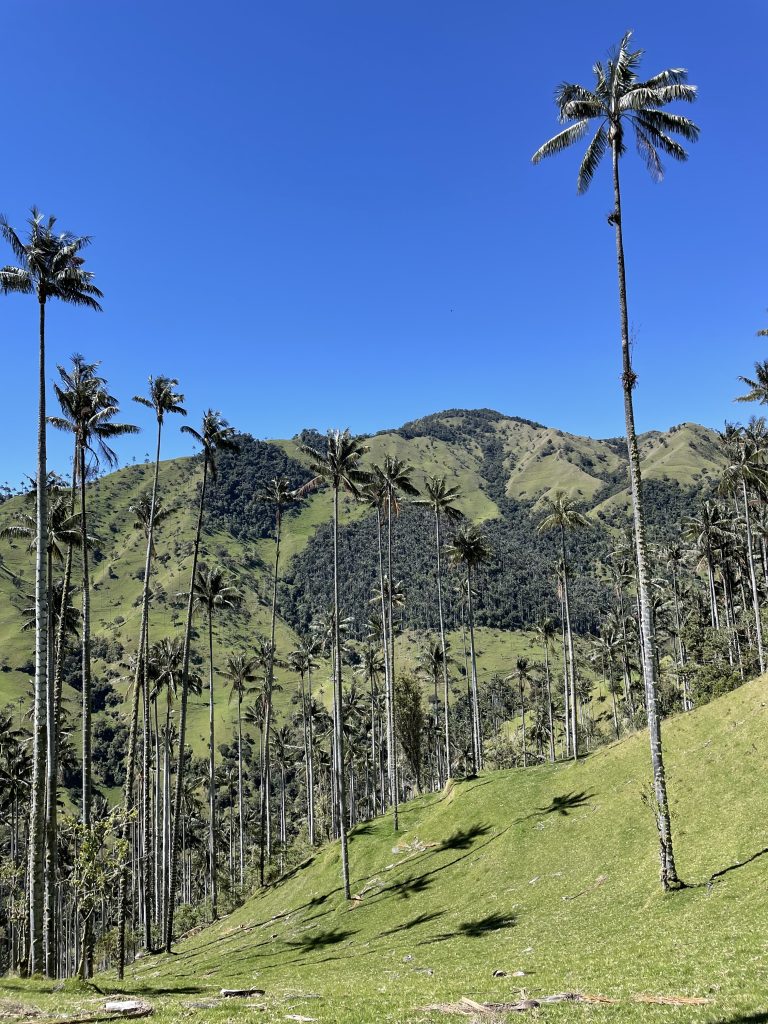
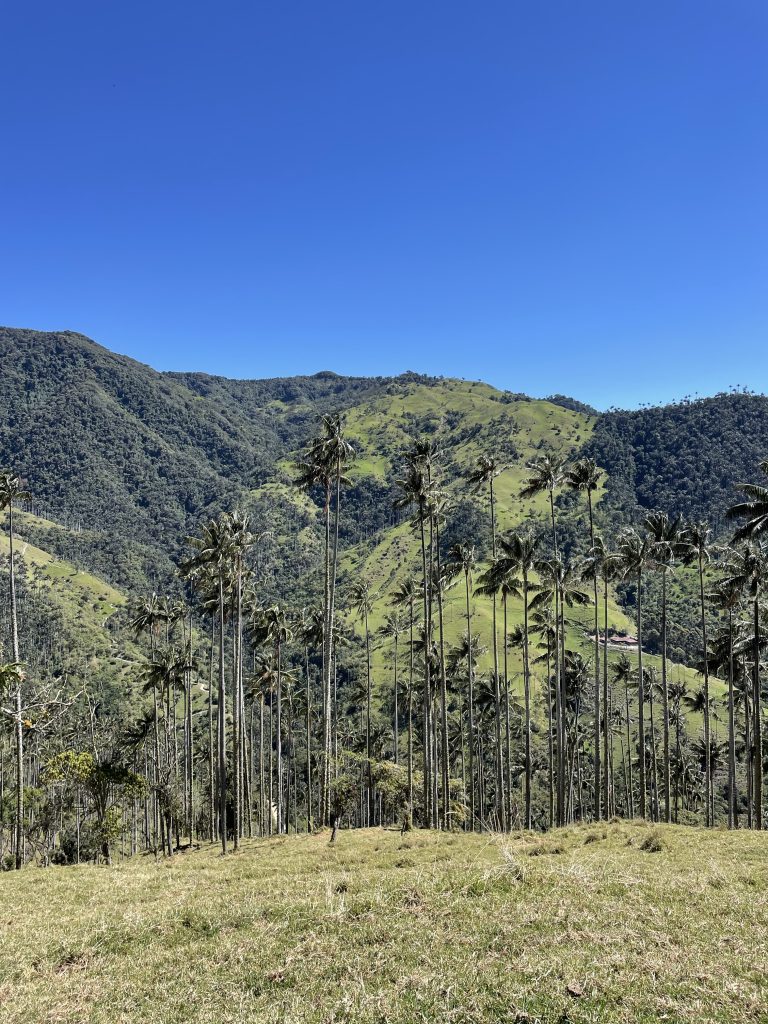
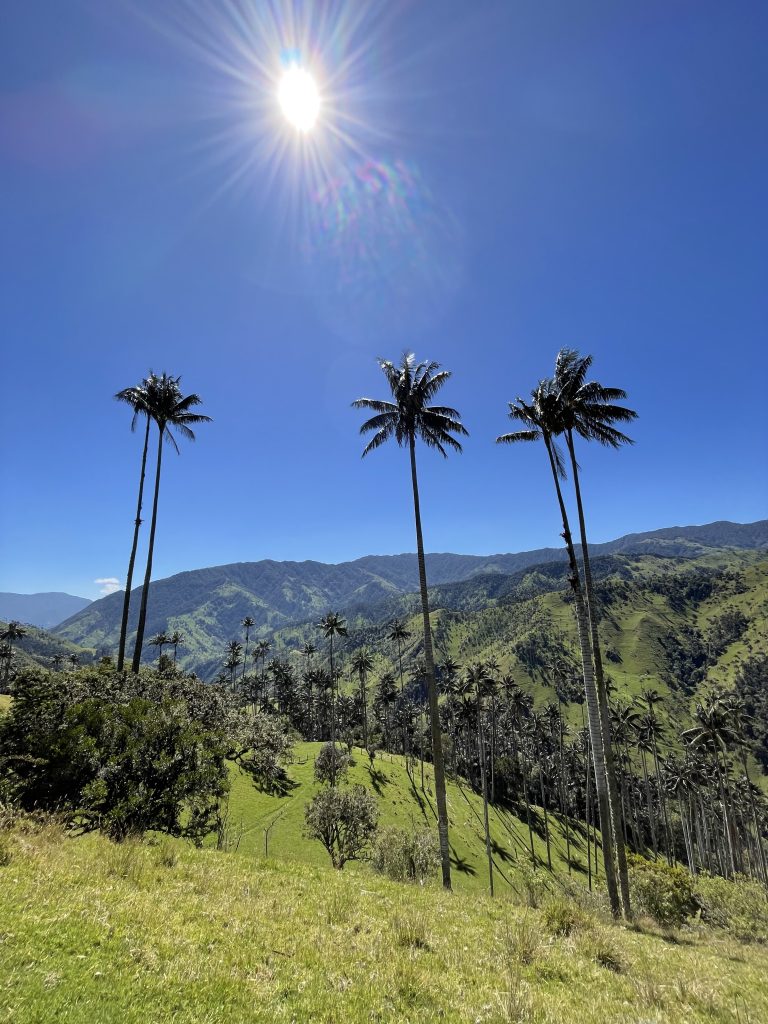
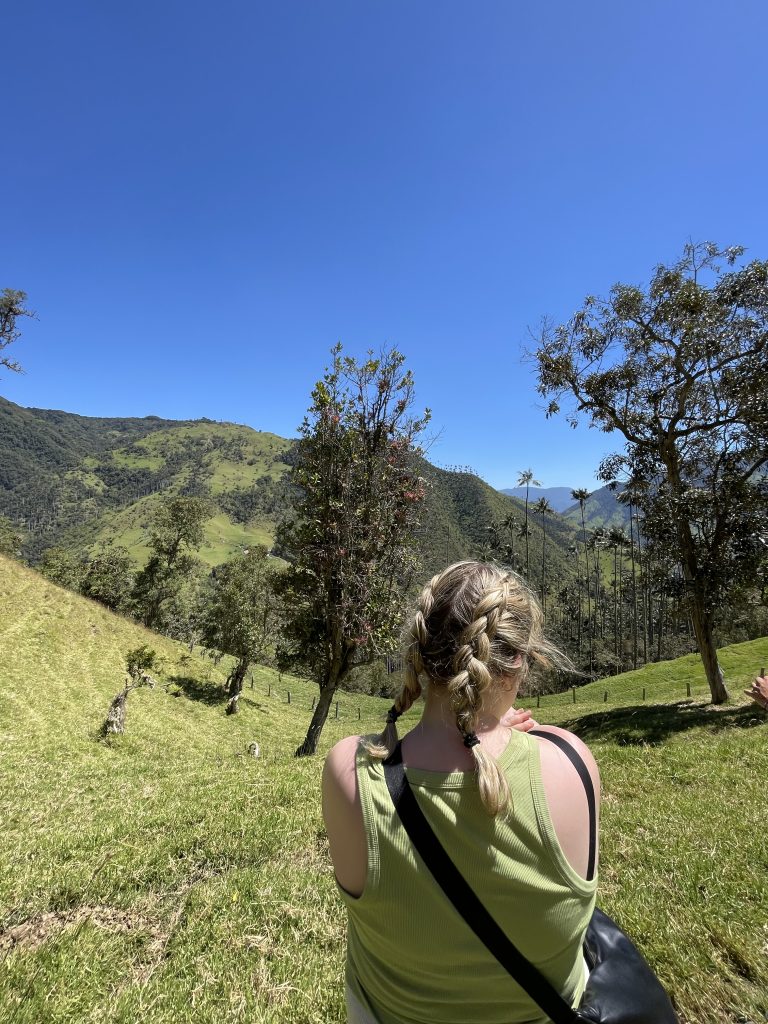
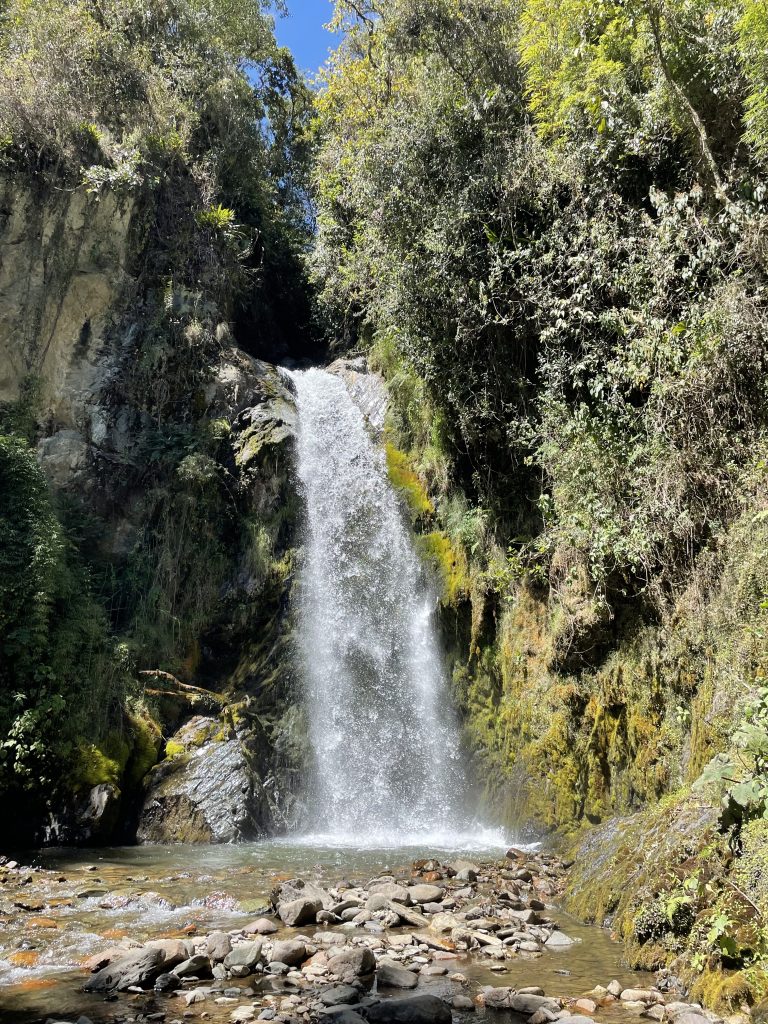
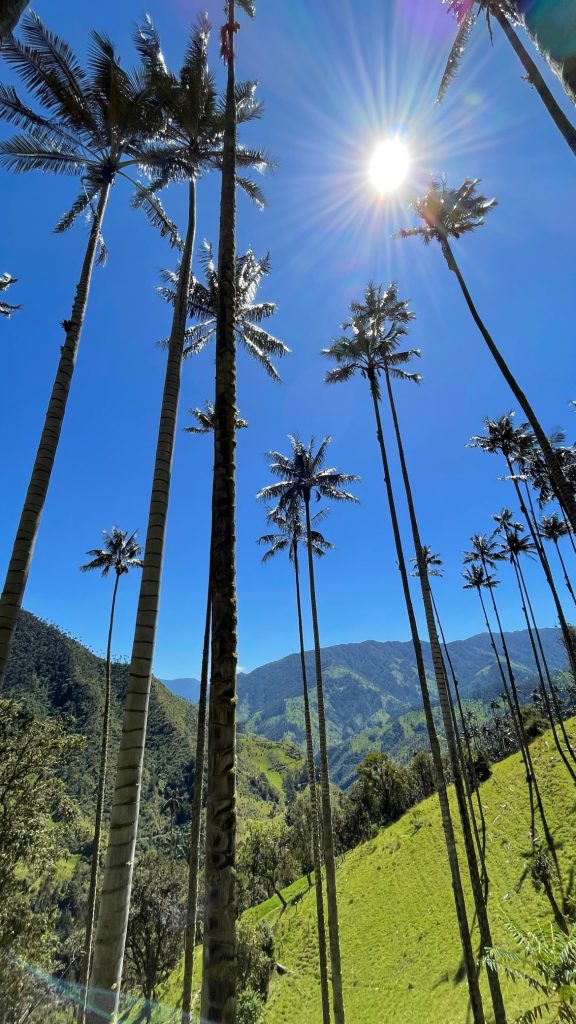
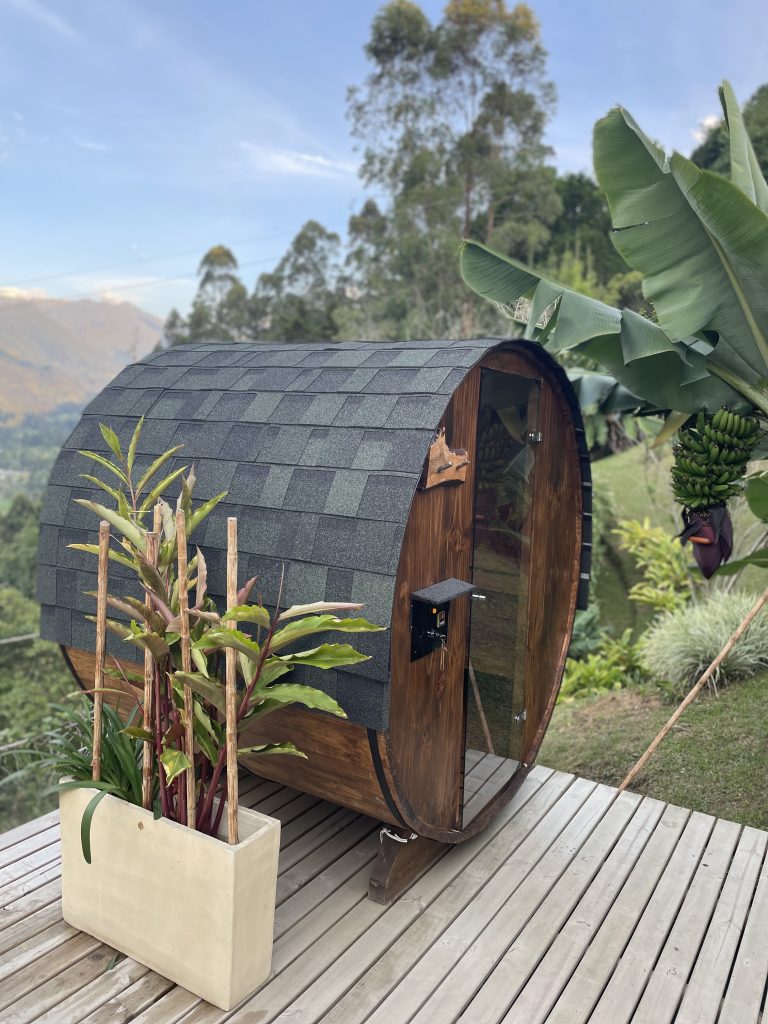
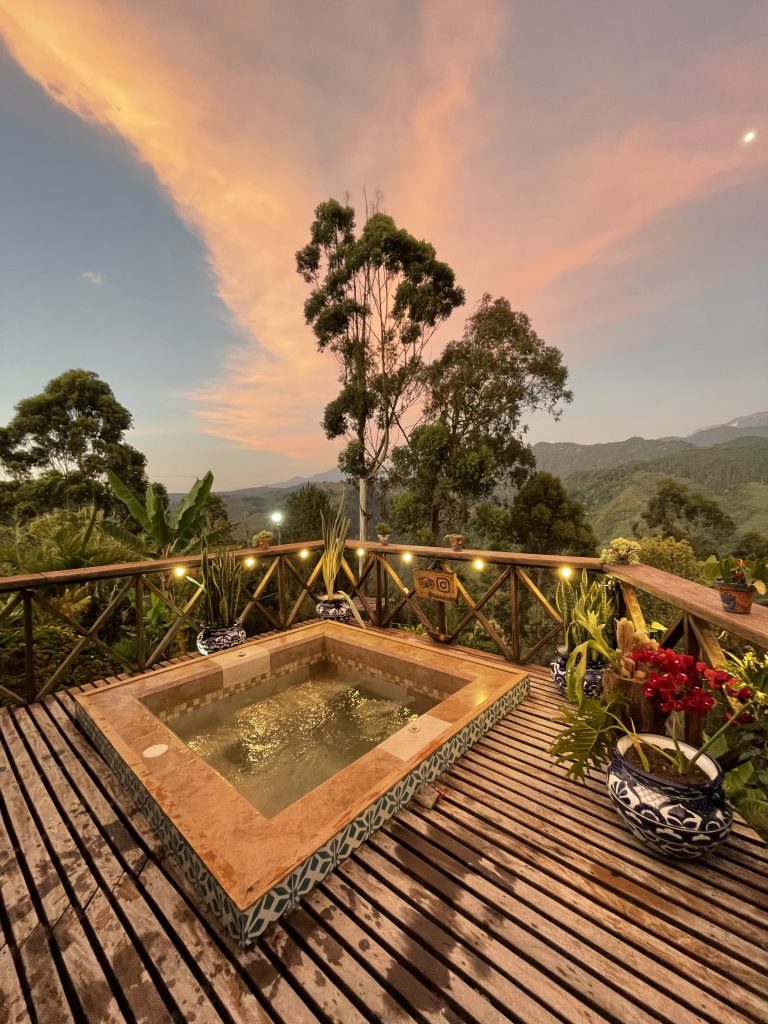
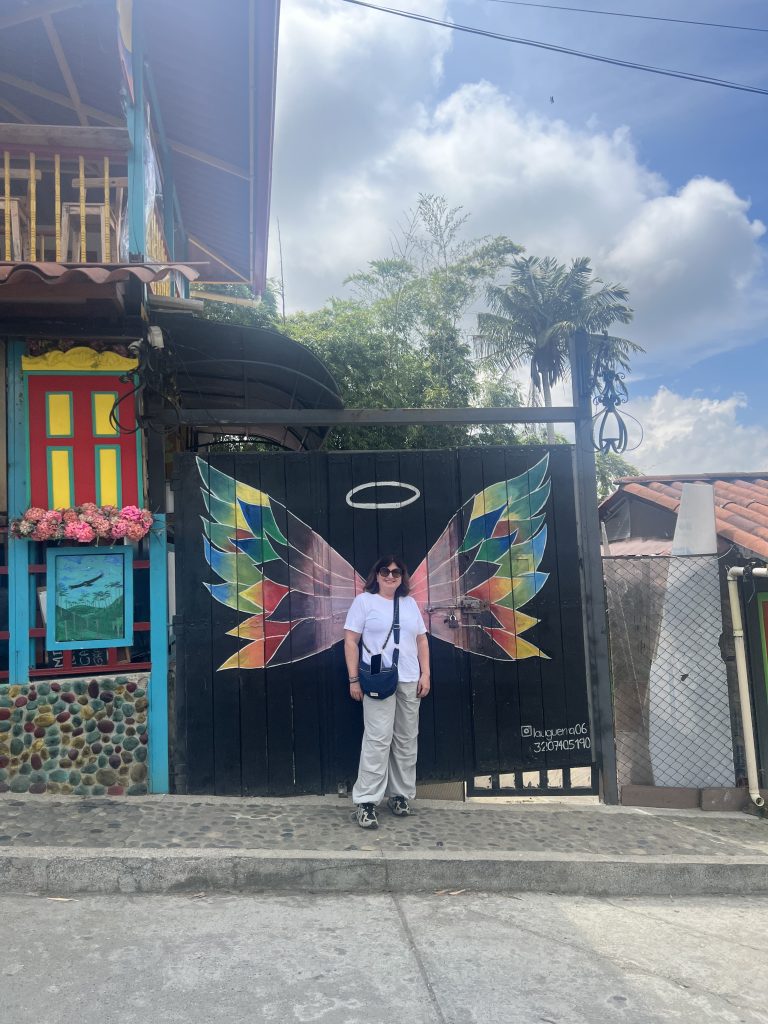
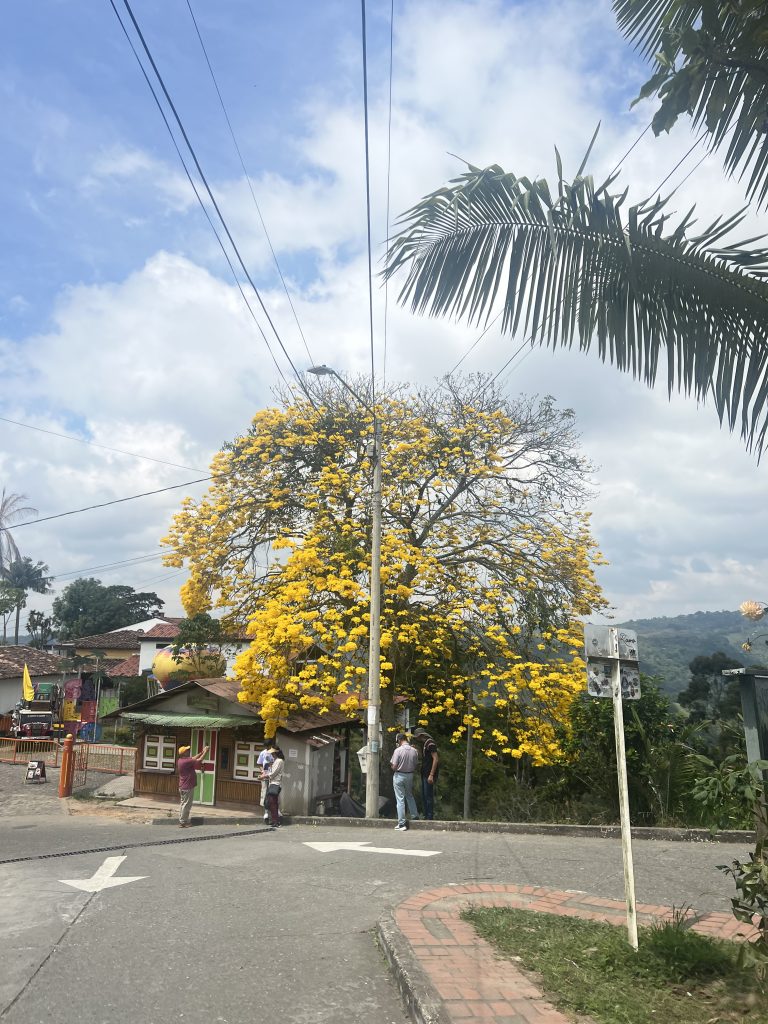
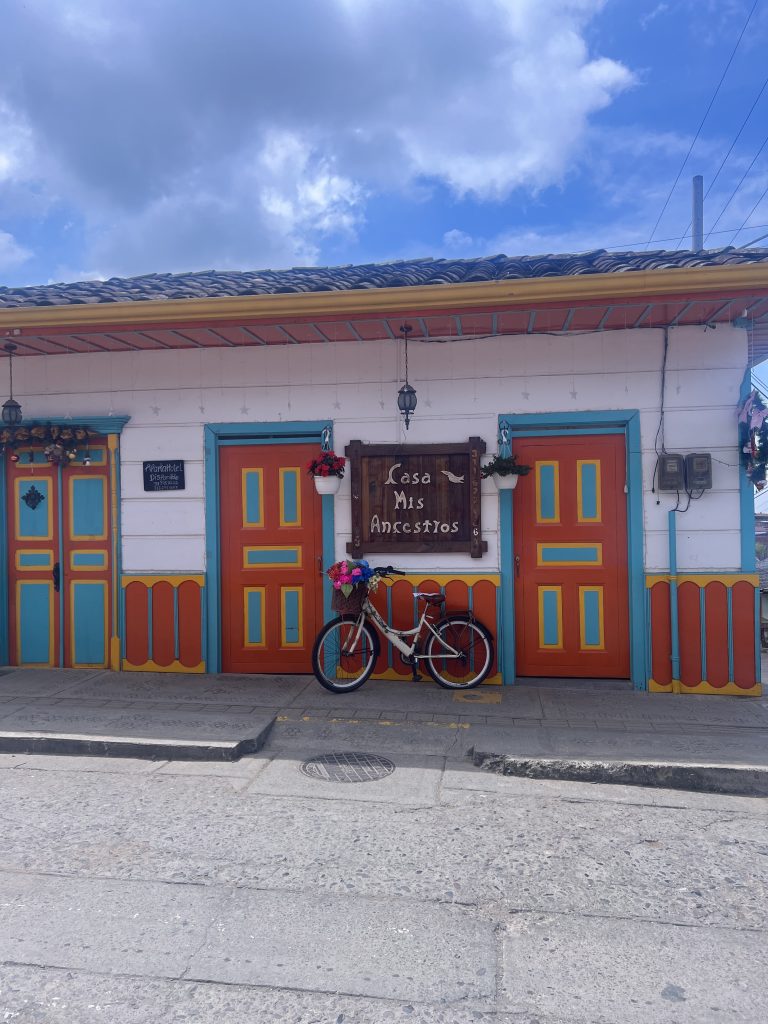
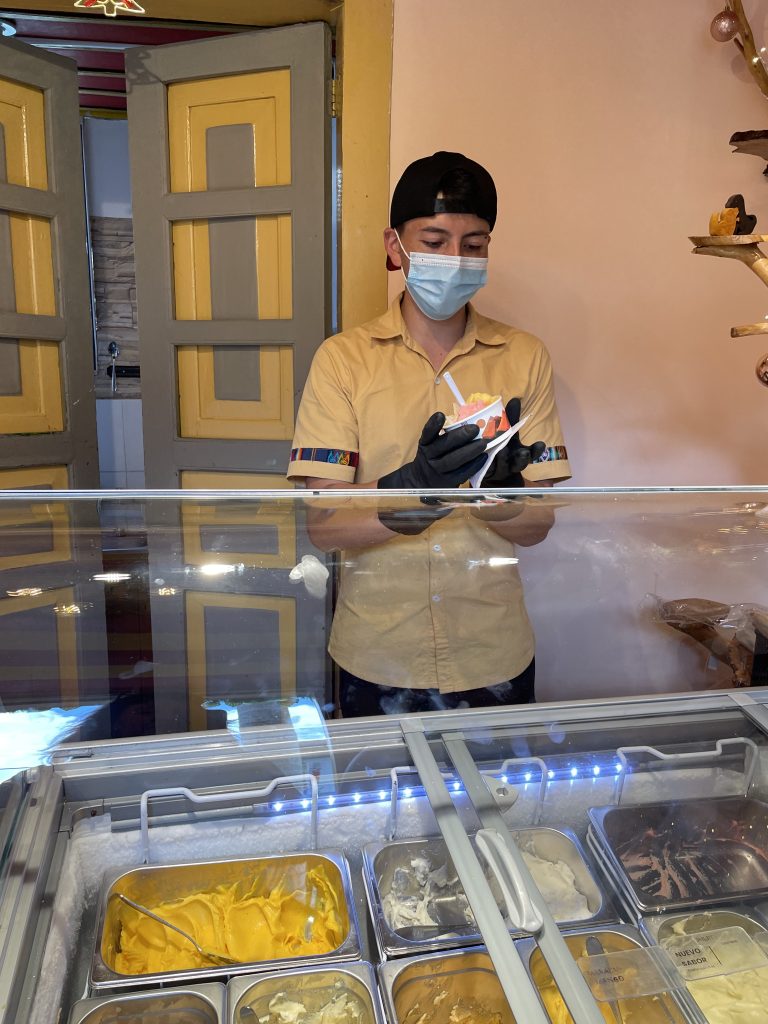
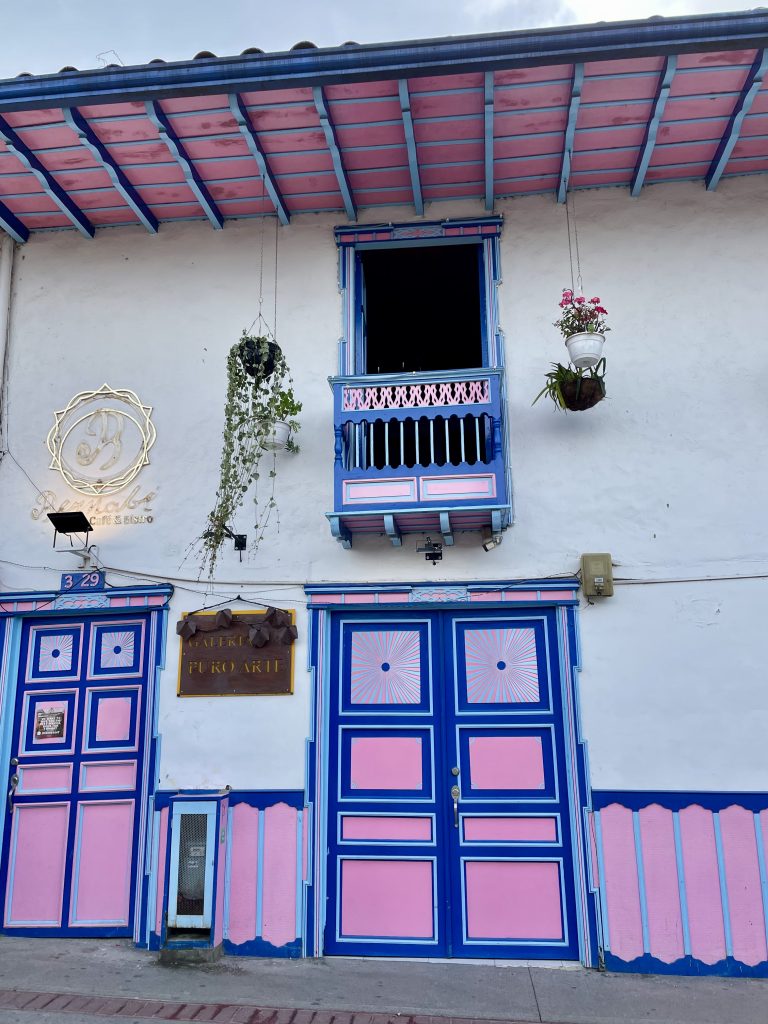
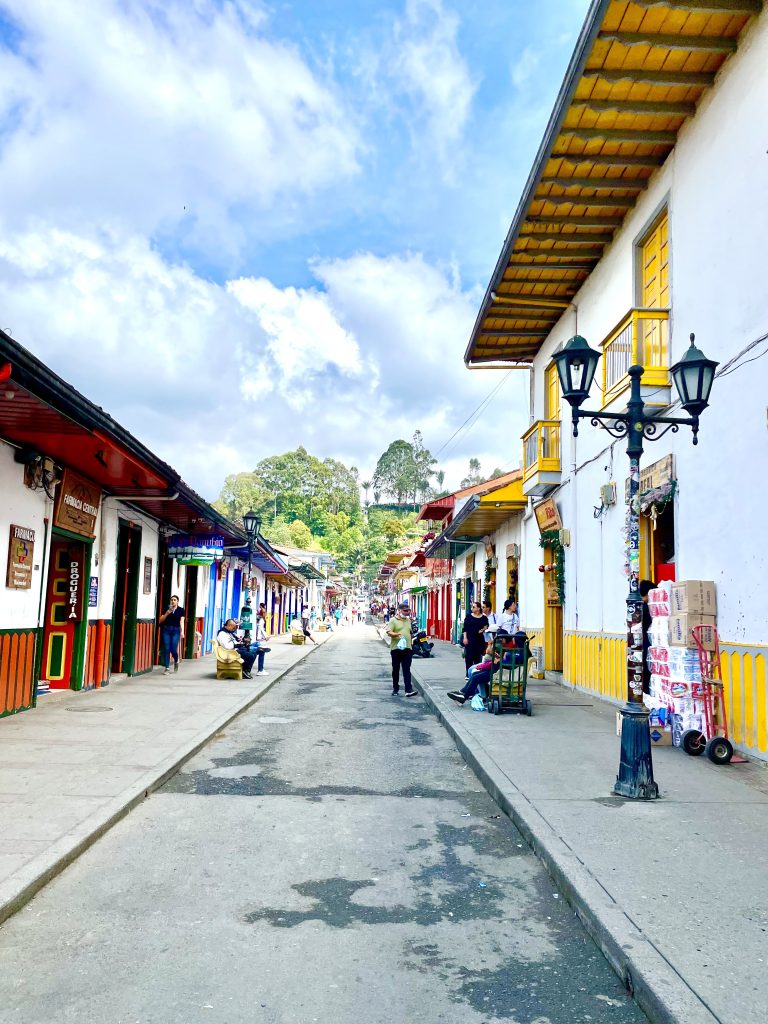
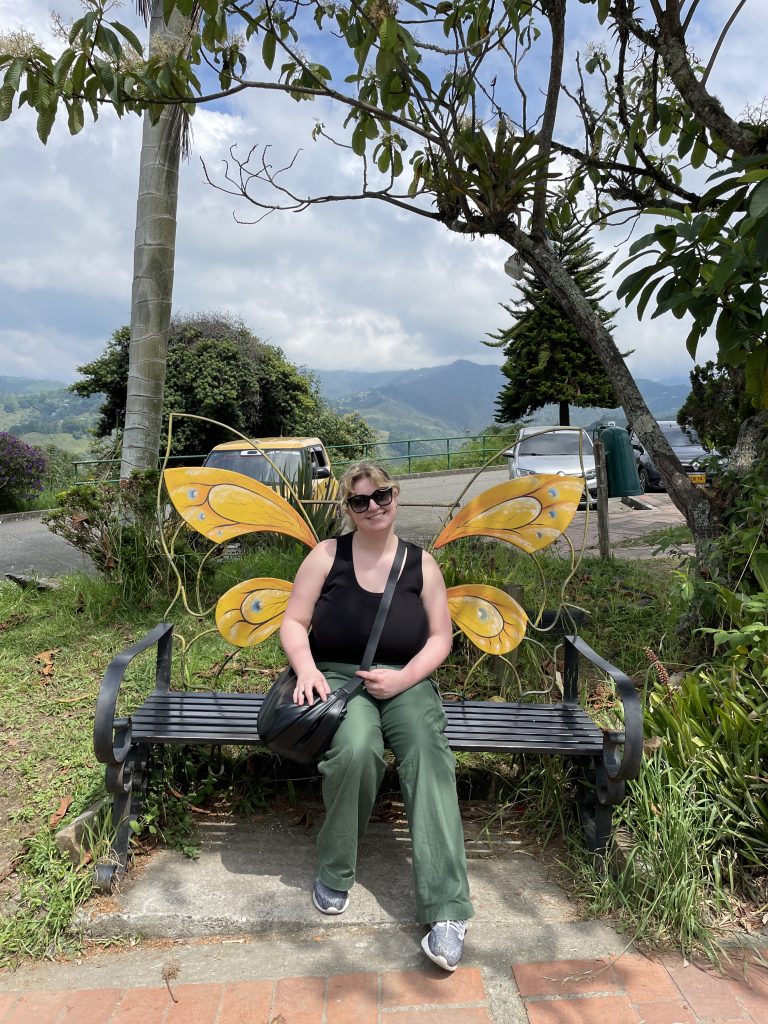
We also explored Salento’s colorful streets, with their wooden balconies and vibrant facades, and indulged in the best coffee ice cream at Pailart Helados de Paila. Back at the retreat, we unwound with a massage, a sauna session, and mountain views that made time slow down.
Getting there:
- Short flight from Bogotá to Pereira (near Salento). Prices around $50–90 USD one way.
- Driver arranged by hotel for transfer to Salento.
Hotel Kawa Mountain Retreat:
- Peaceful eco-retreat with spa facilities (massage, sauna, jacuzzi).
- Rooms: around $150–180 USD per night.
- Delicious, creative, original menus.
What we did in Salento:
- La Carbonera Hike – Off the beaten path compared to Cocora Valley. COP 440,000 (can be arranged by the hotel)
- Pick up at the hotel by 4×4 vehicle that will take you through the mountains for approximately 2 hours
- 2-hour hike through the mountain
- Waterfall visit
- Lunch at a local farm included.
- Salento town – Bright colonial streets, artisan shops, and viewpoints.
- Free to explore.
- Best coffee ice cream at Pailart Helados de Paila.
- Around $2 USD per scoop.
Part 3: Medellín – The City of Transformation
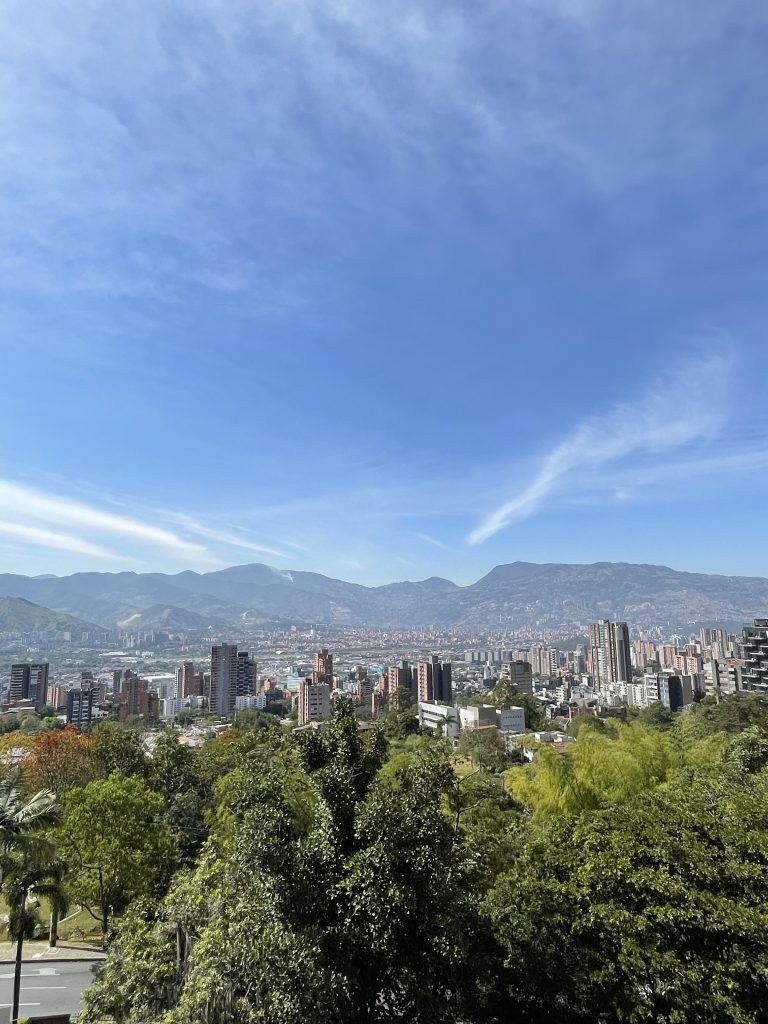
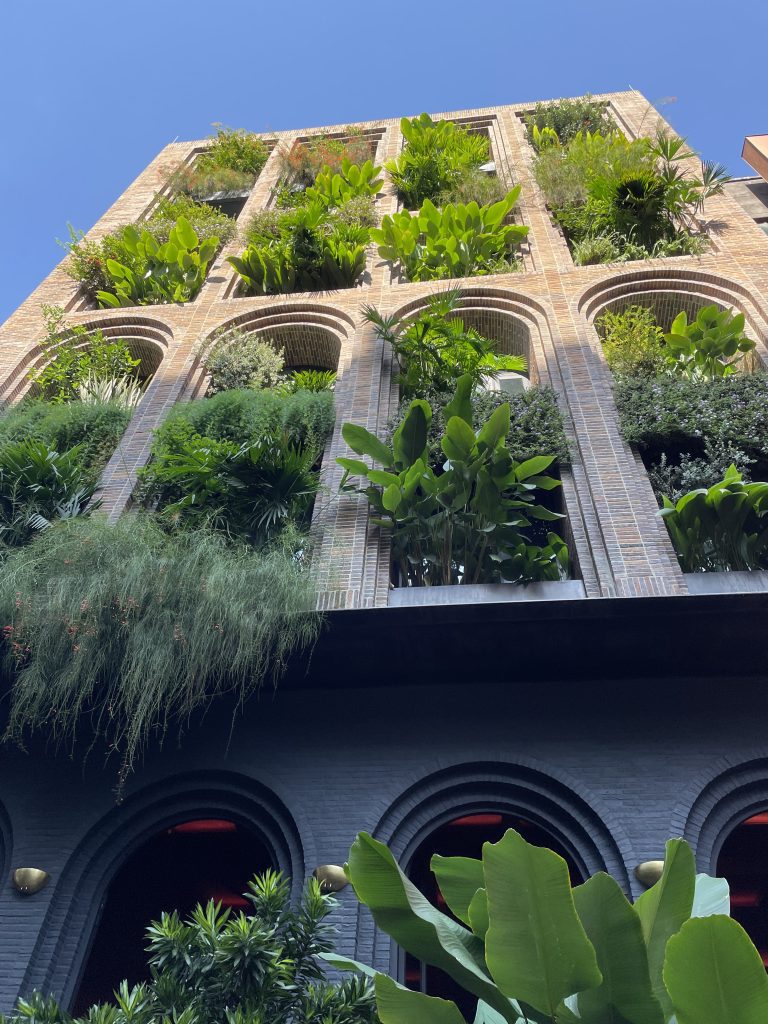
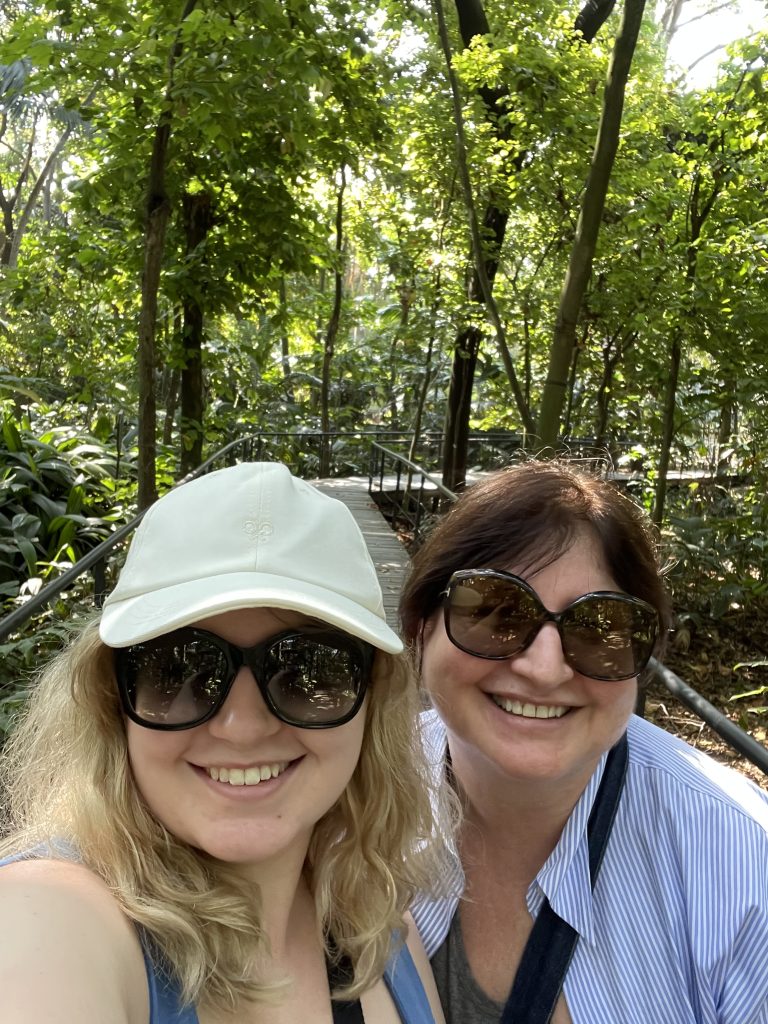
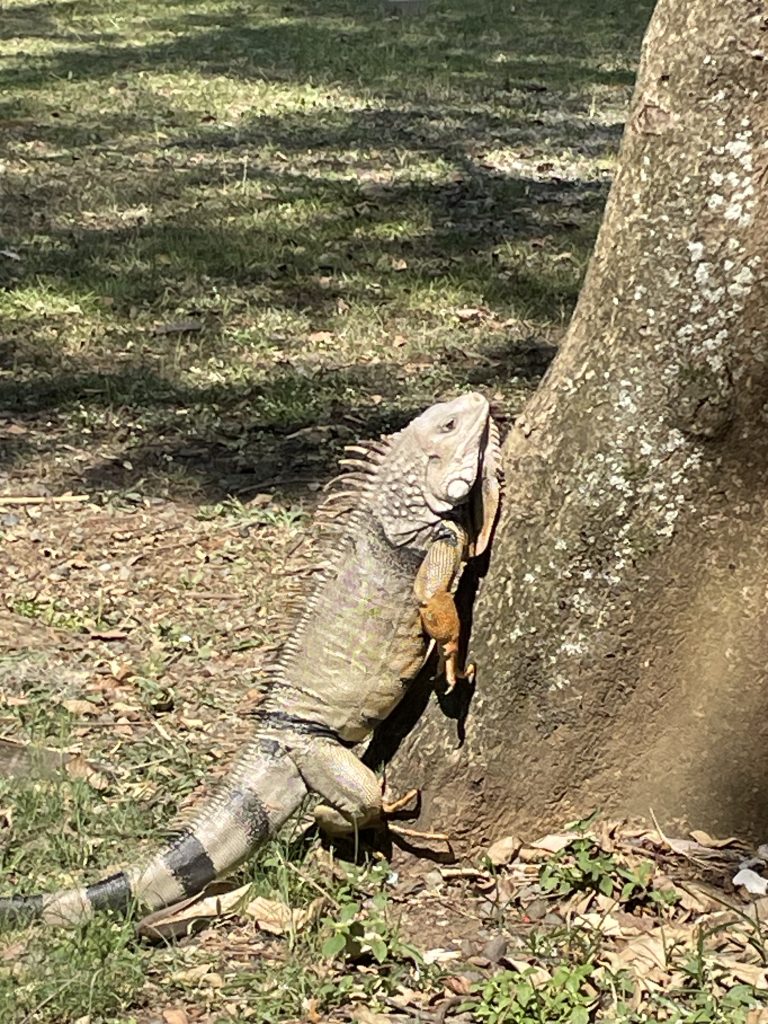
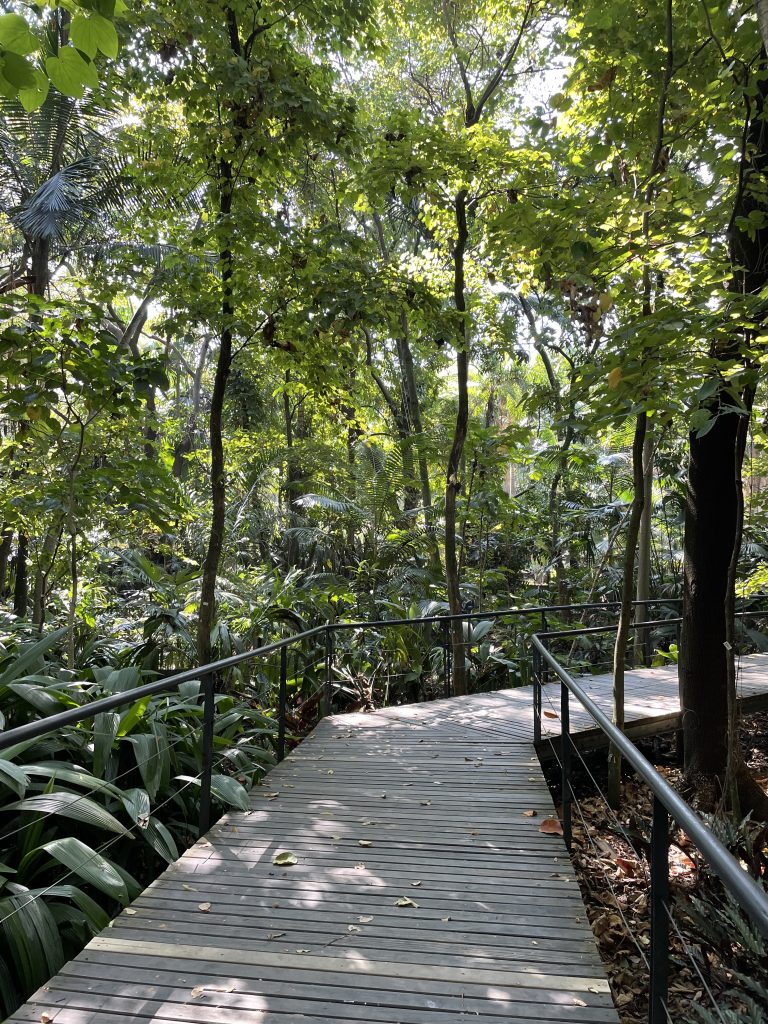
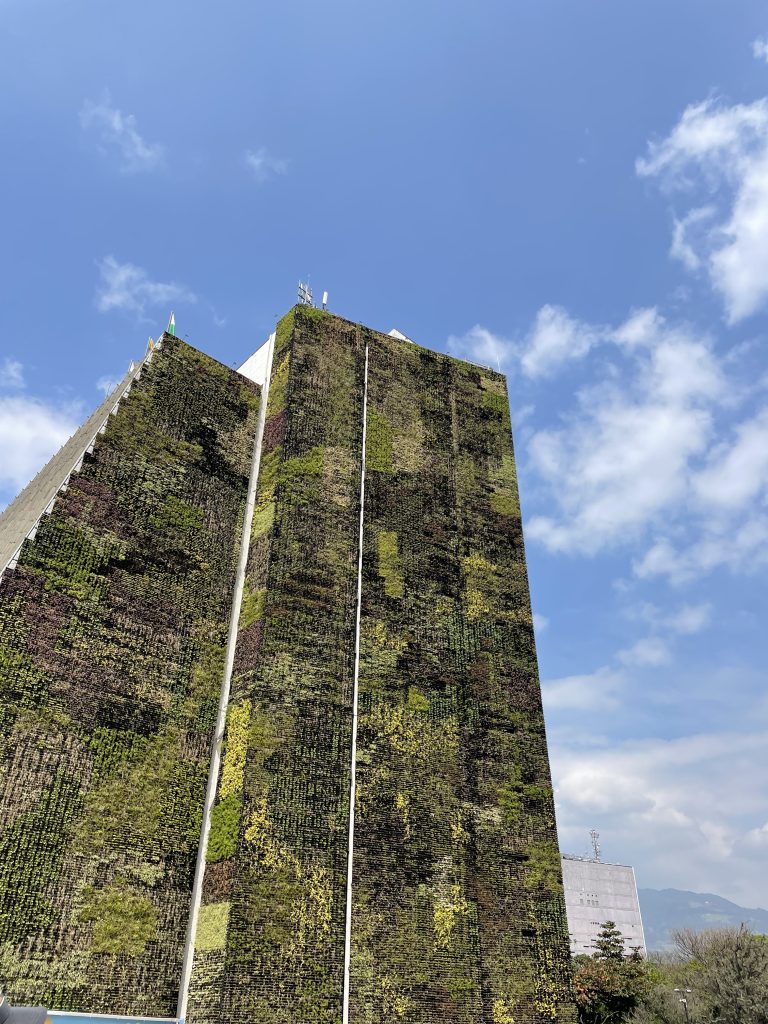
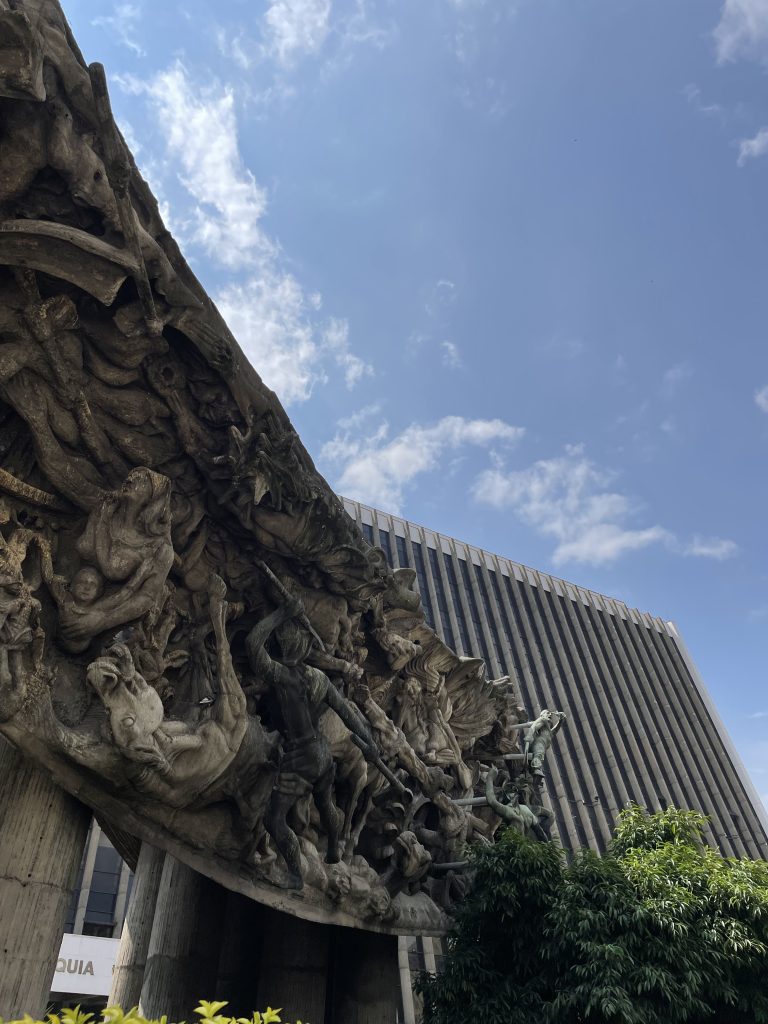
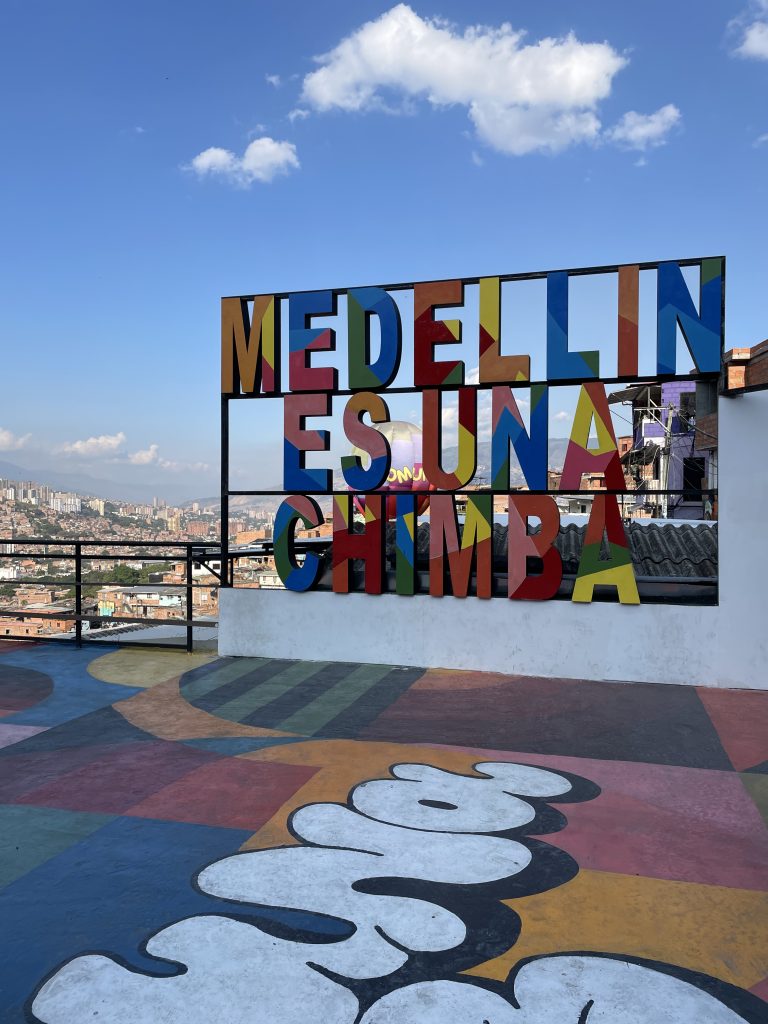
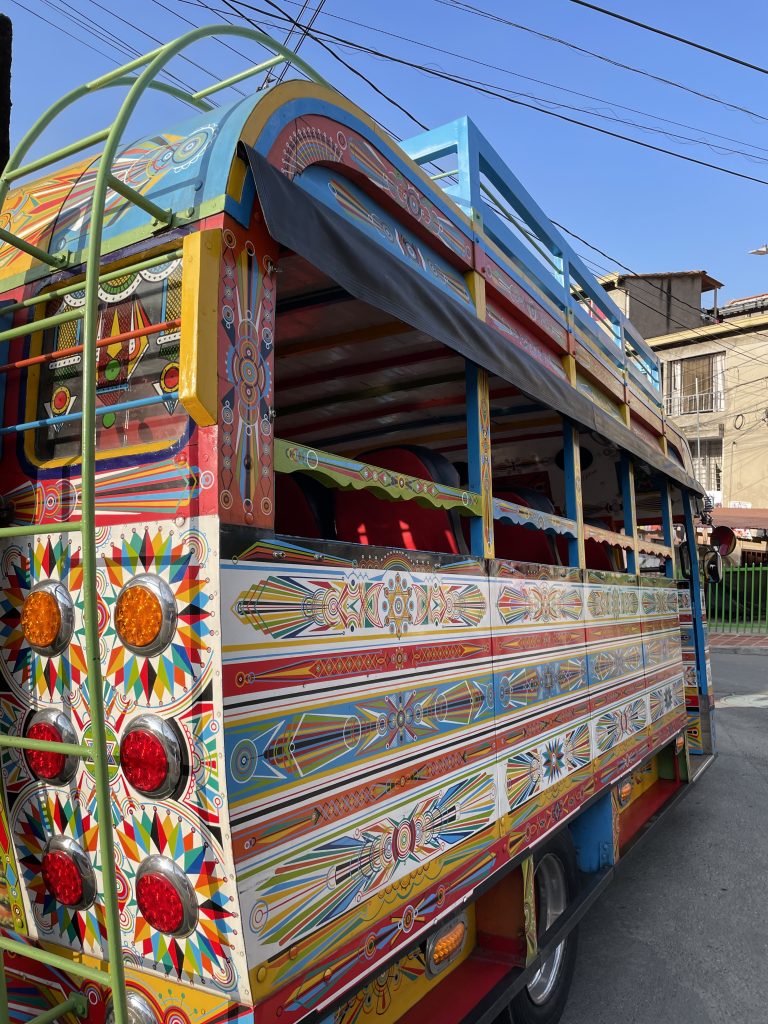
Once infamous, Medellín is now a shining example of reinvention. We stayed at Hotel El Zarzo, waking up to sweeping city views. Our days mixed modern life with history: air-conditioned shopping at El Tesoro Mall, admiring Botero’s statues in La Candelaria, and strolling through the tranquil Jardín Botánico. We opted for a guided tour of the city with Viator.
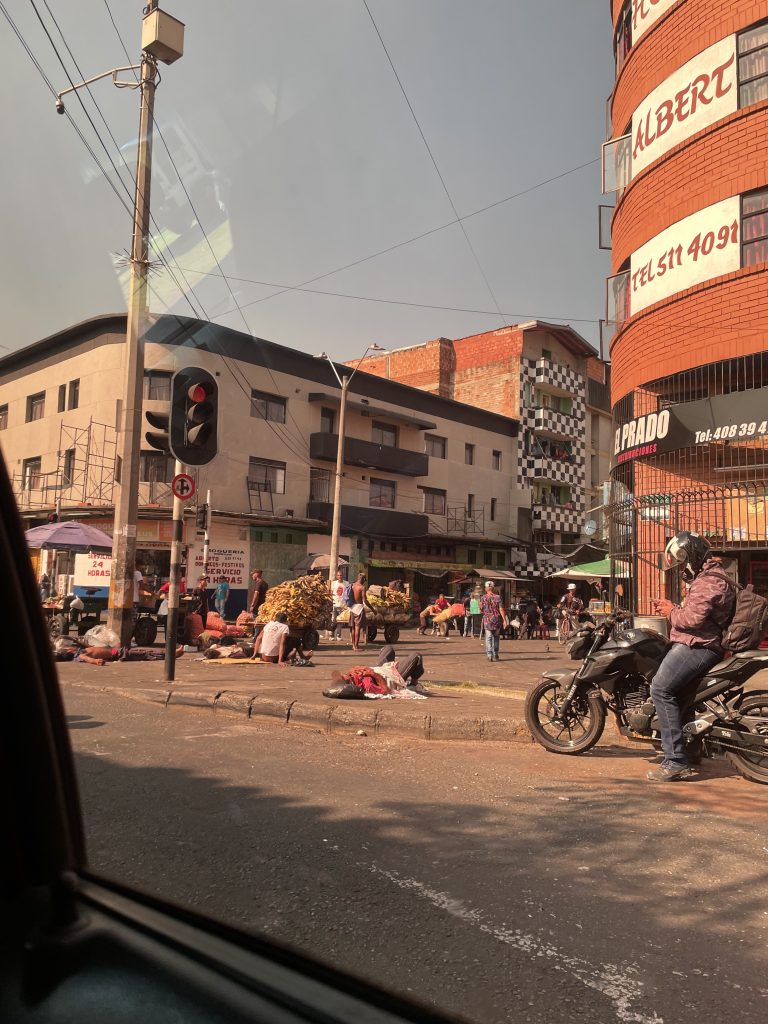
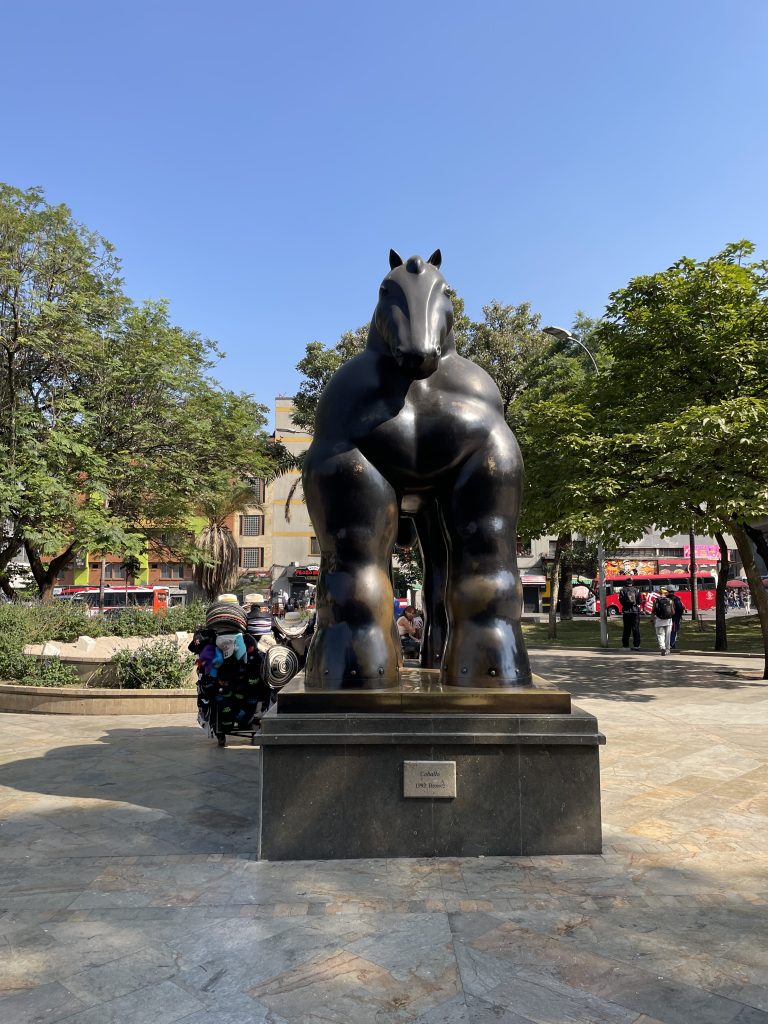
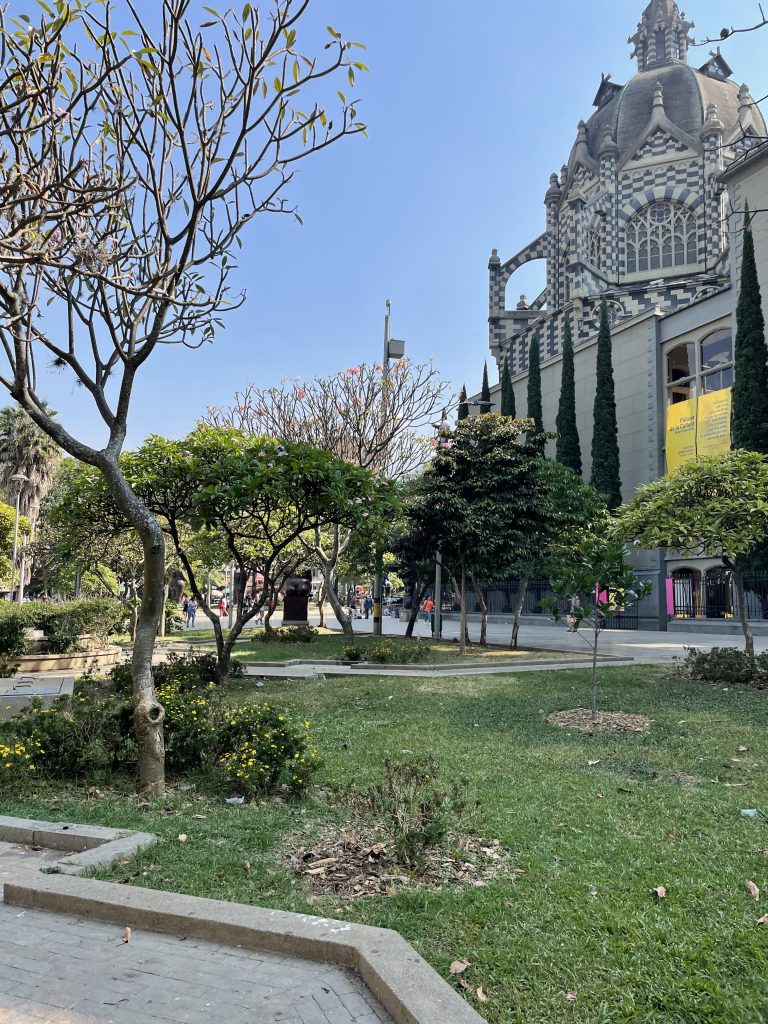
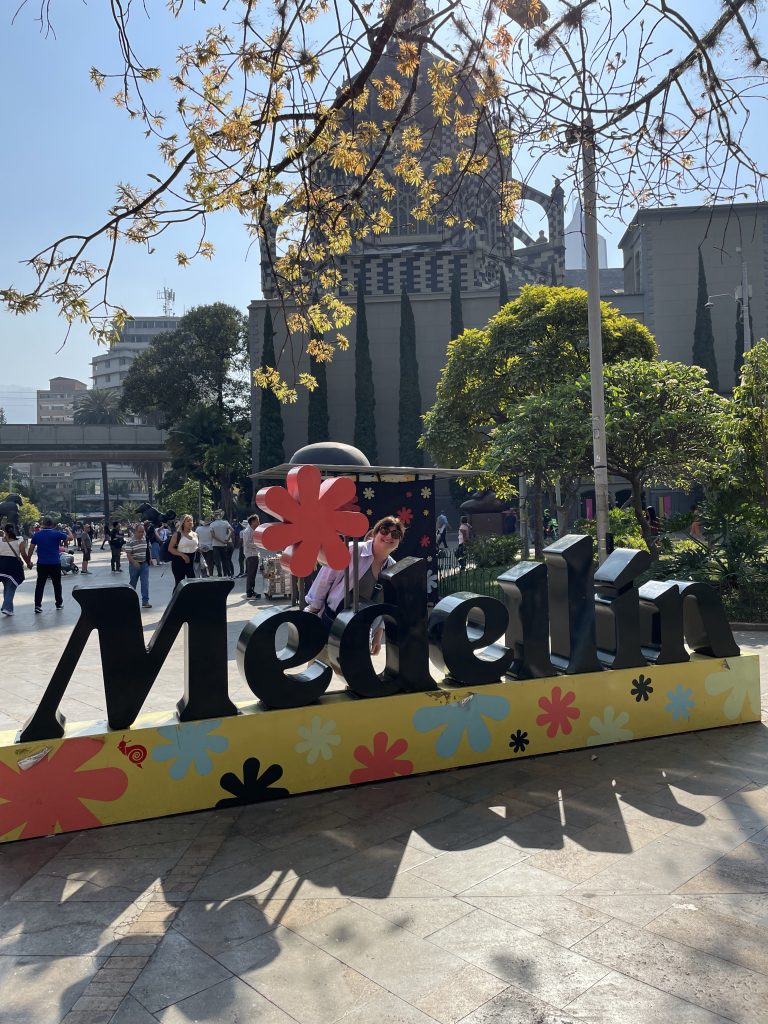

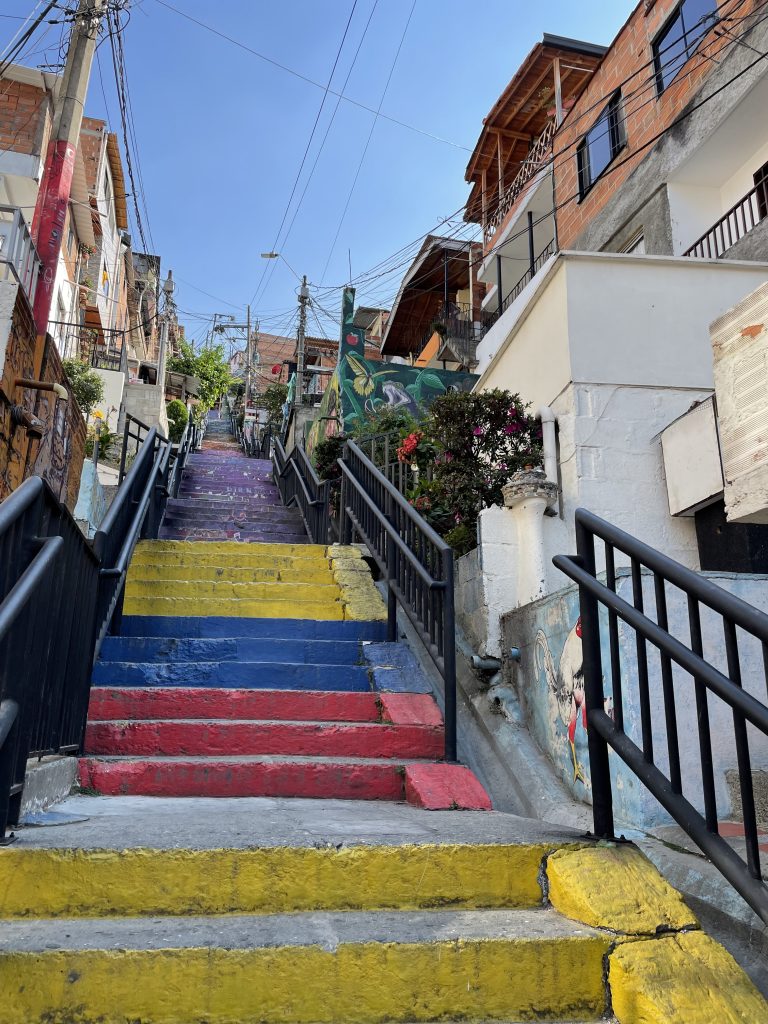
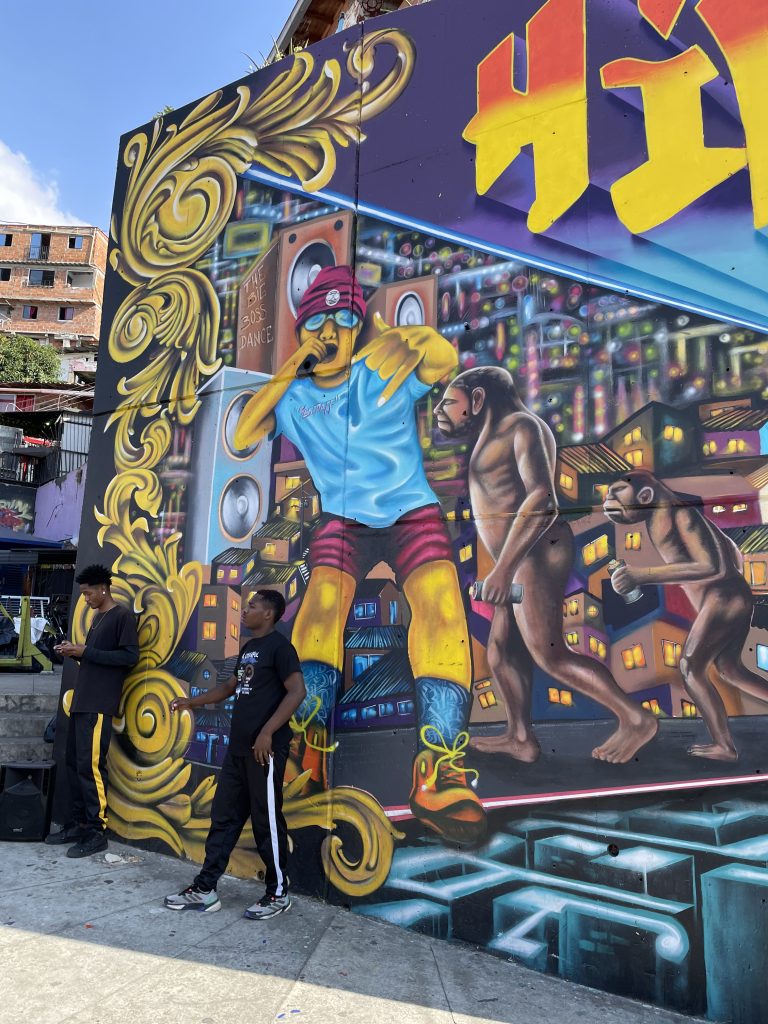
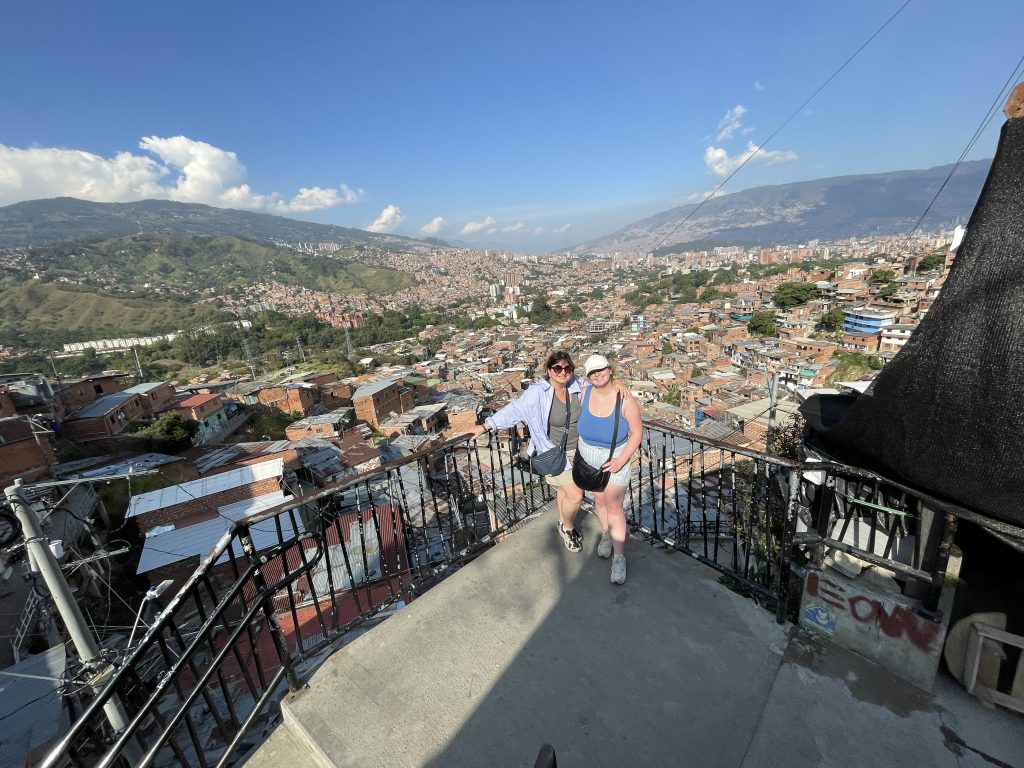
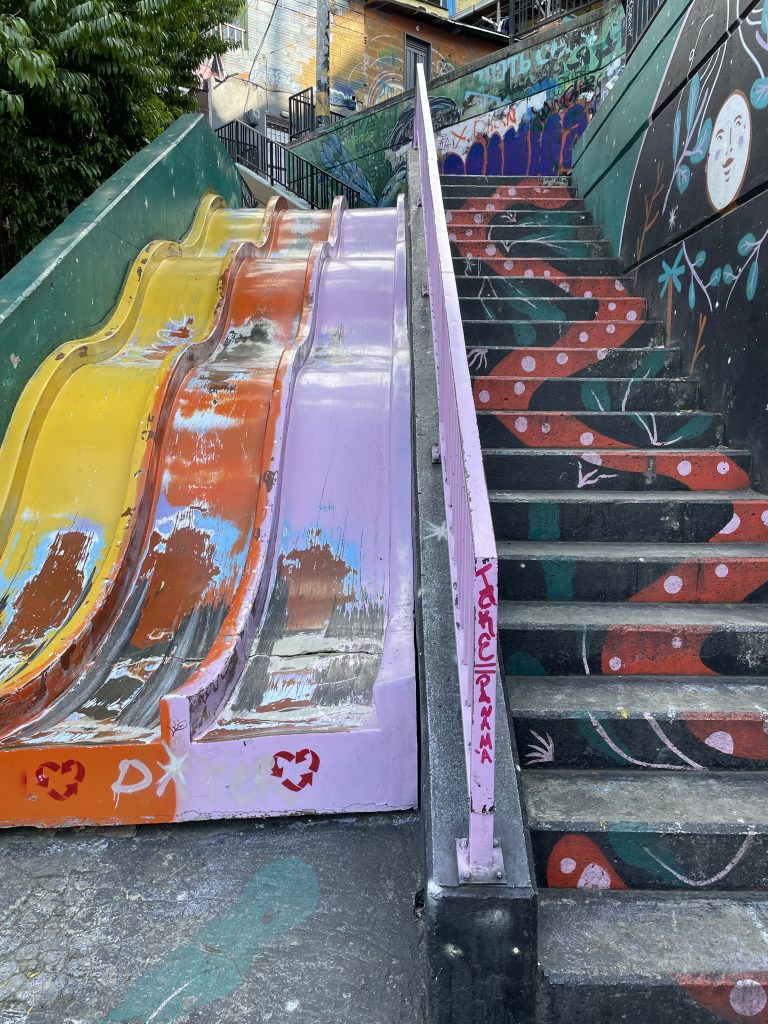
The highlight was a guided visit to Comuna 13 with Get Your Guide. Once one of the most dangerous neighbourhoods, is now alive with street art, escalators, and stories of resilience. Our guide’s explanations made it one of the most powerful stops on our trip.
Getting there:
- Flight from Pereira to Medellín: around $40–70 one way.
Hotel El Zarzo:
- Well-situated with beautiful breakfast views over the city.
- Rooms: around $100–130 per night.
What we did:
- El Tesoro Mall – Escape the heat with air-conditioning and shopping.
- Free entry, modern mall.
- La Candelaria & Botero Plaza – Home to Botero’s famous statues.
- Guided tour with Viator
- Jardín Botánico – Botanical gardens with orchids, lakes, iguanas and butterflies.
- Entry: Free.
- Comuna 13 Guided Tour – Once notorious, now a vibrant neighborhood full of murals and music.
- Guided visit with Get Your Guide
Part 4: Santa Marta – Slow Days at Mundo Nuevo
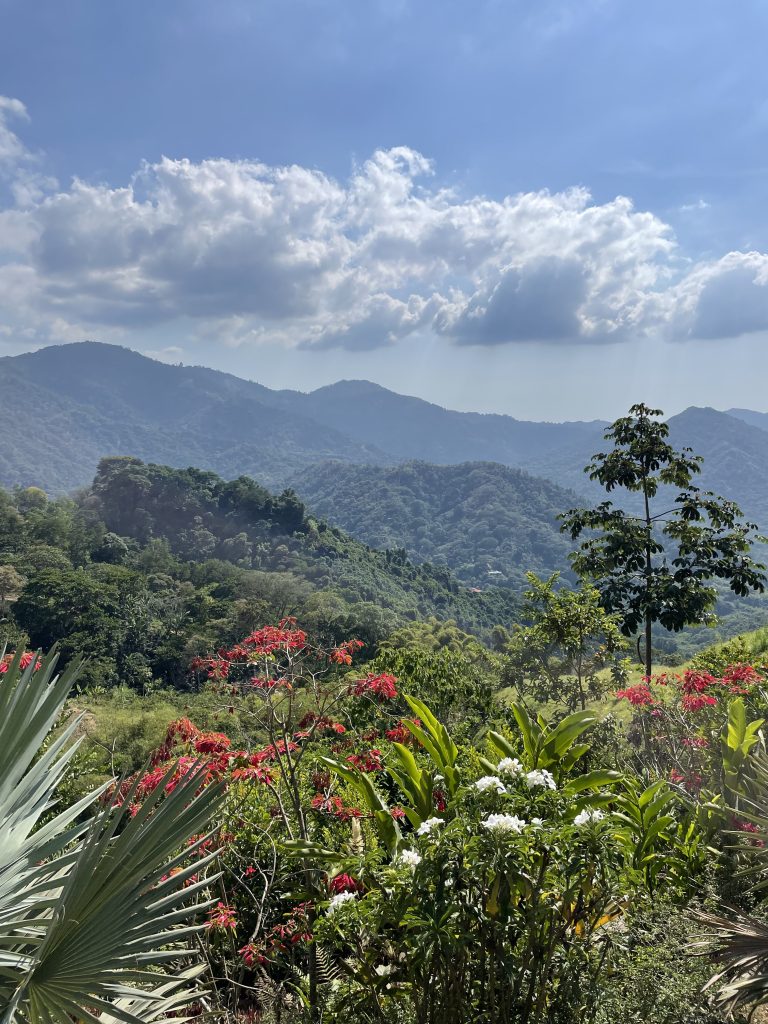
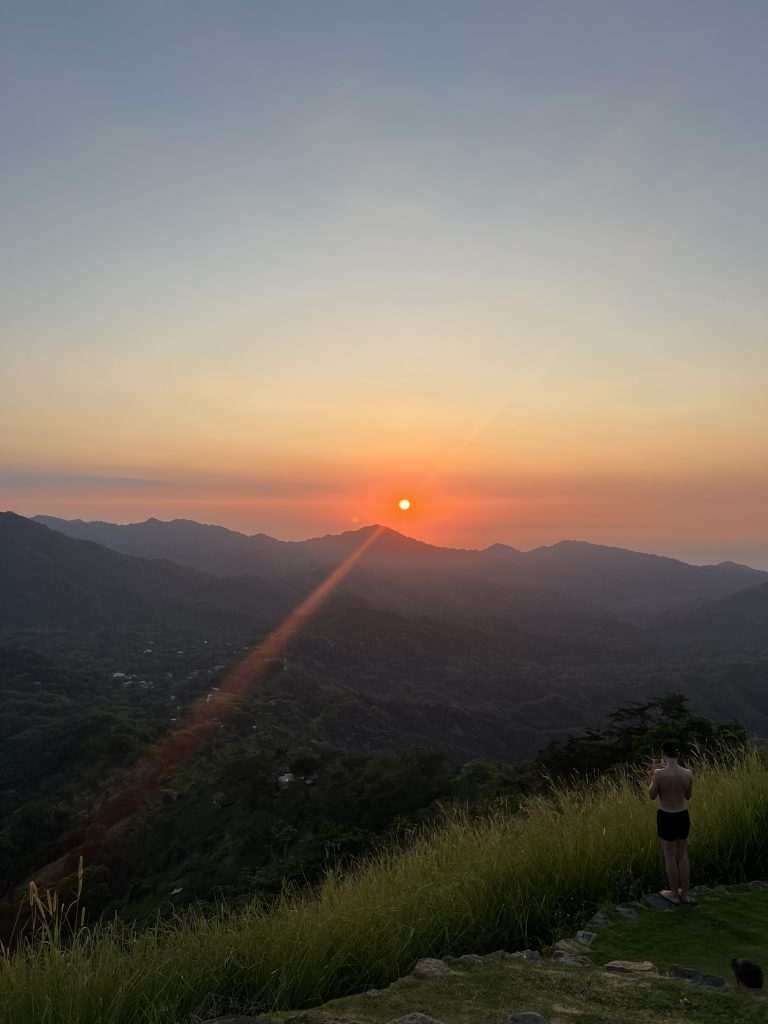
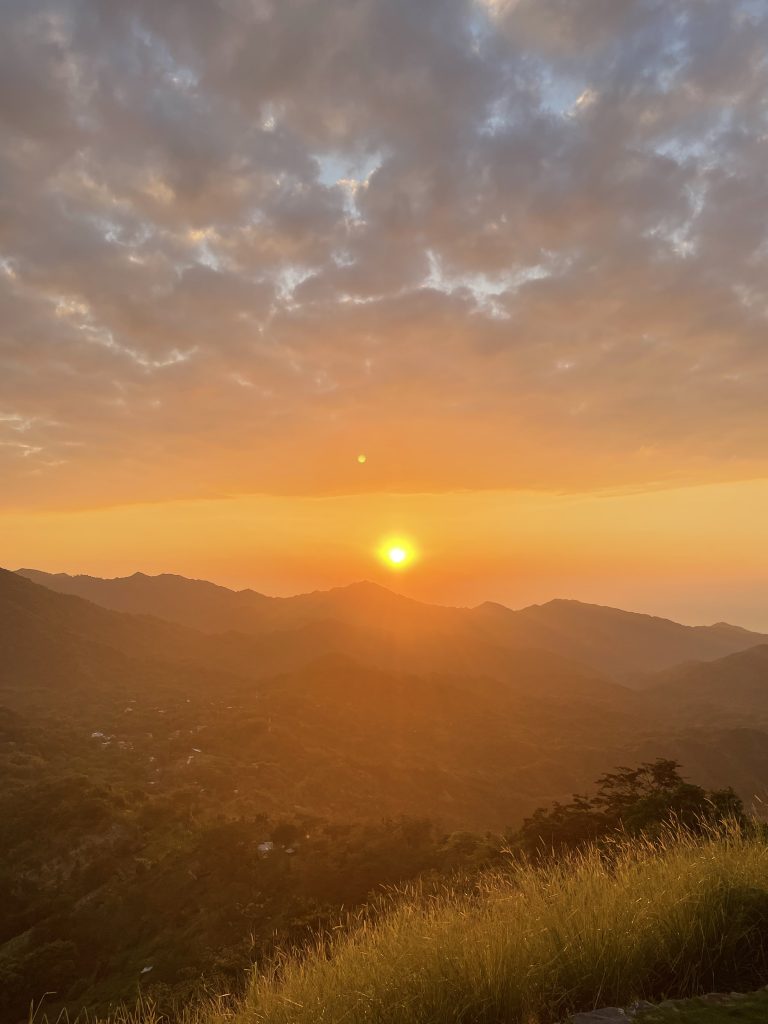
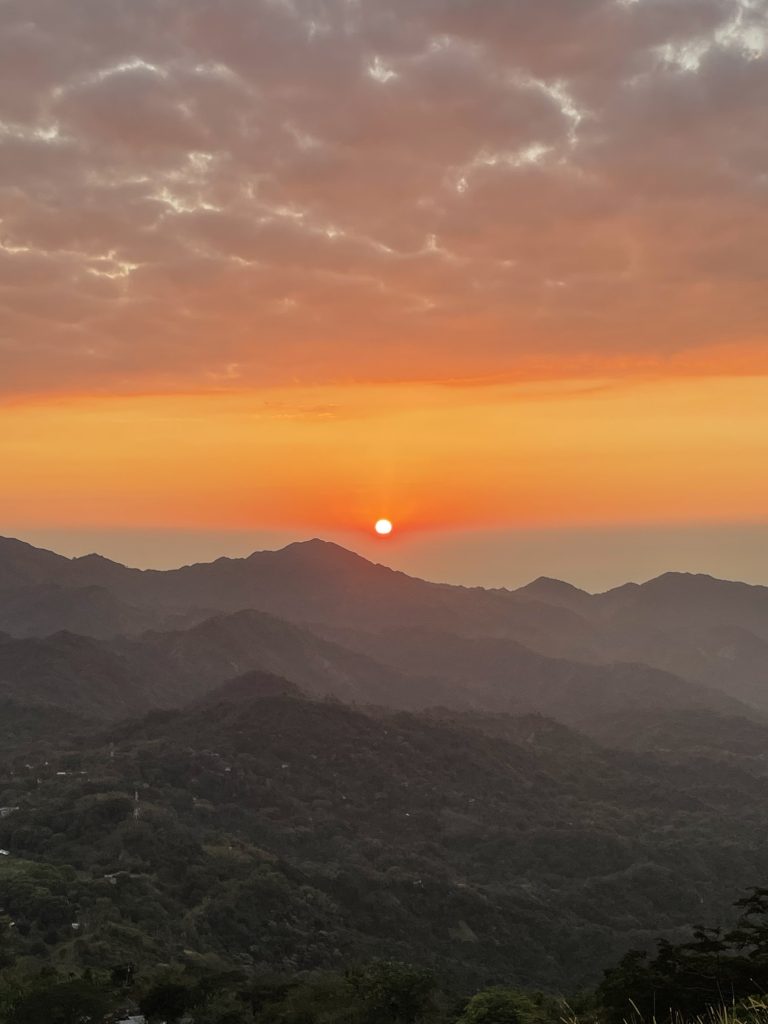
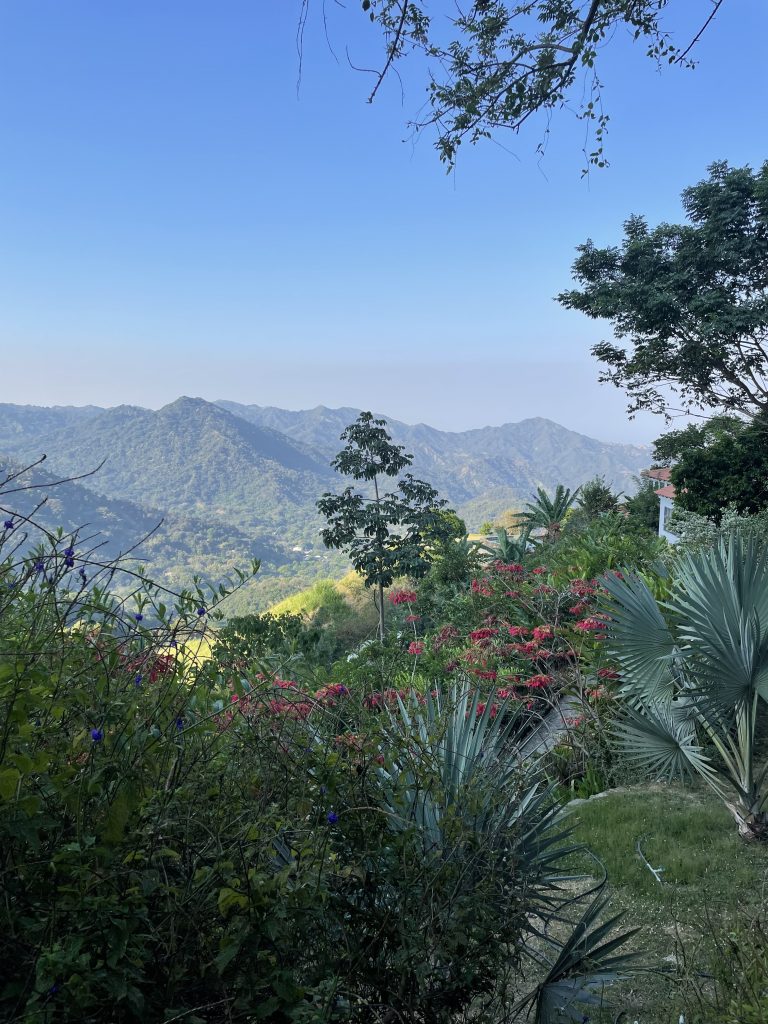
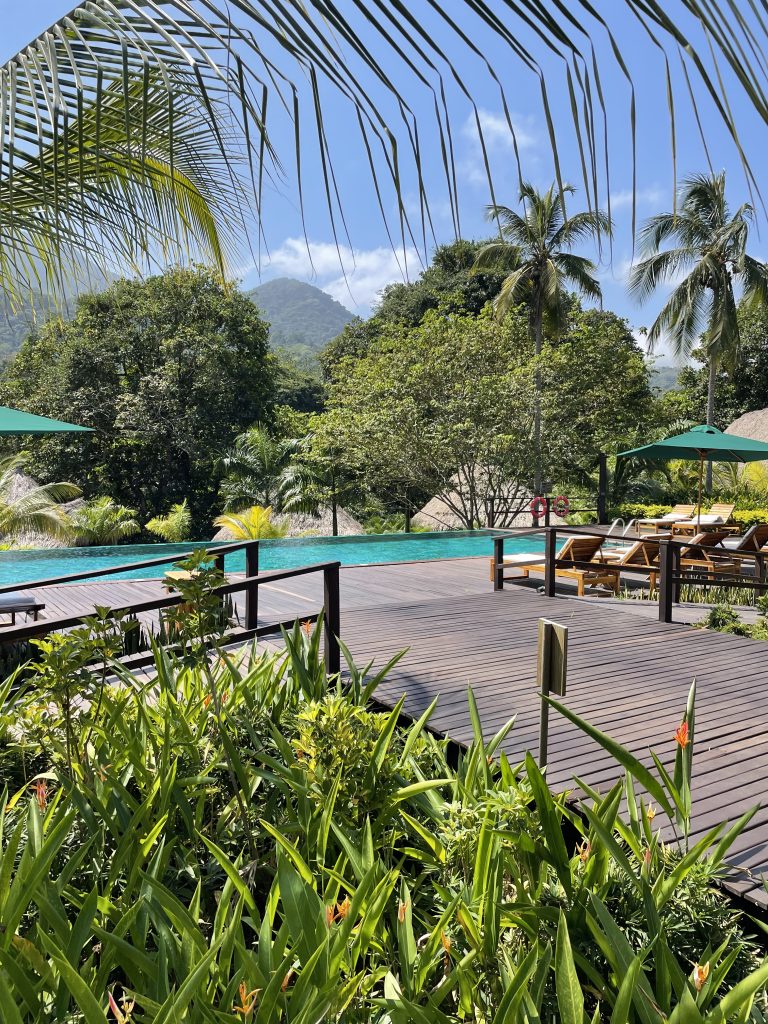
On the Caribbean coast, we found Mundo Nuevo Eco Lodge, perched in the hills above Santa Marta. It’s one of those places where you plan to stay two nights but end up staying longer which we did.
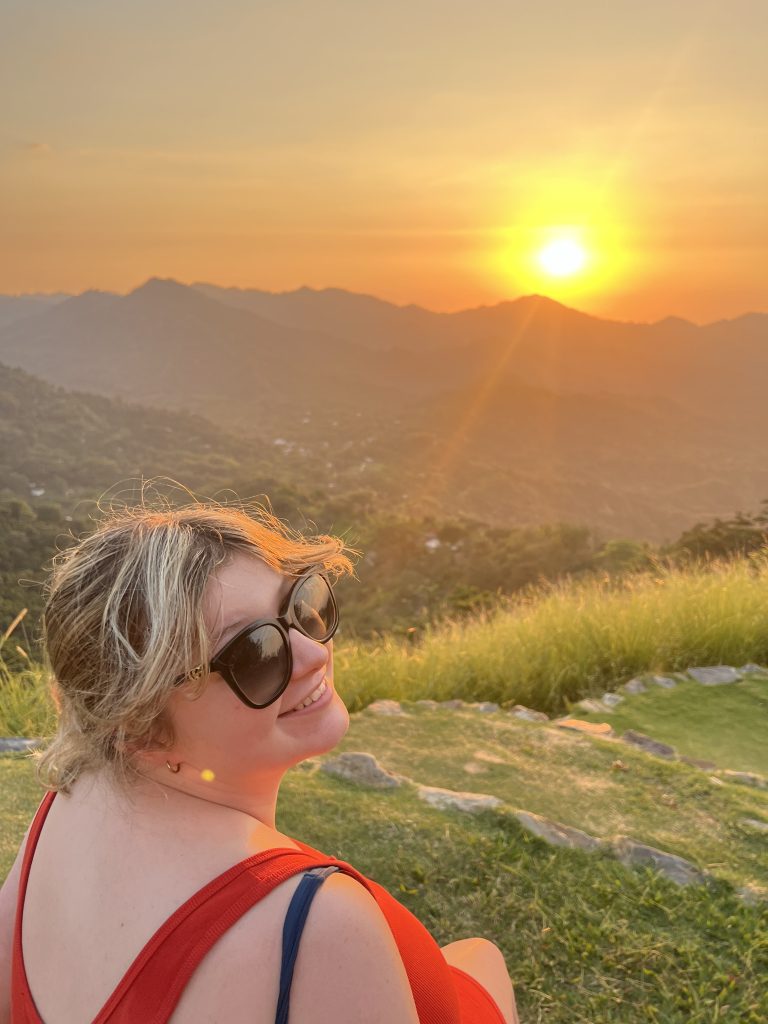
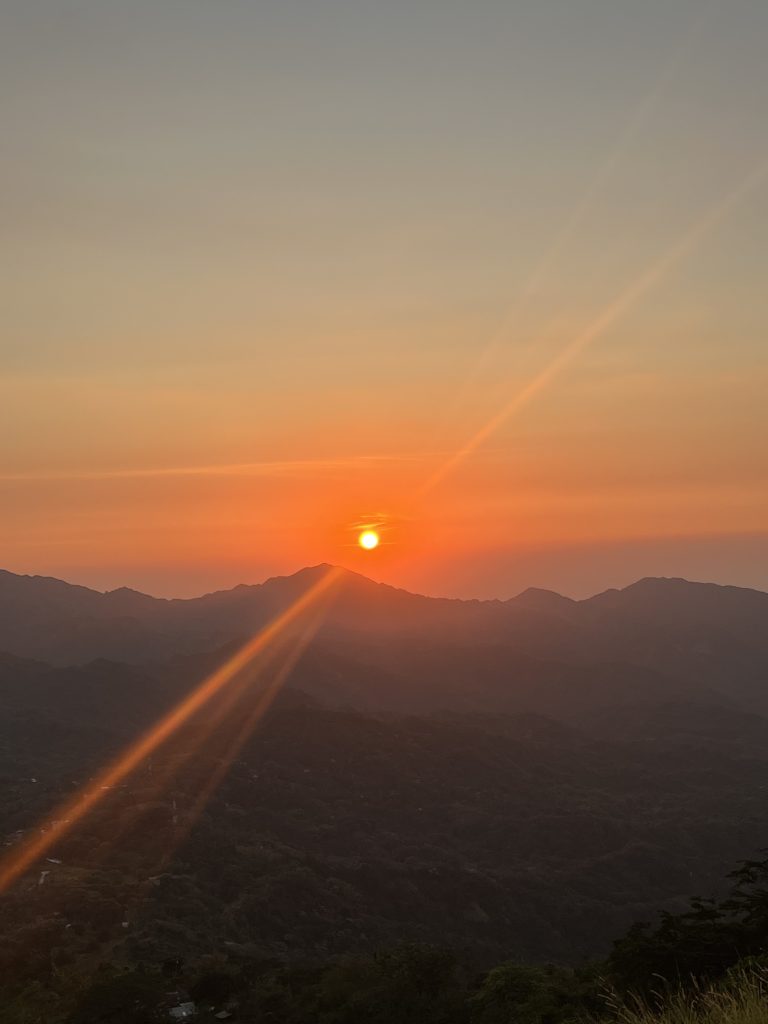
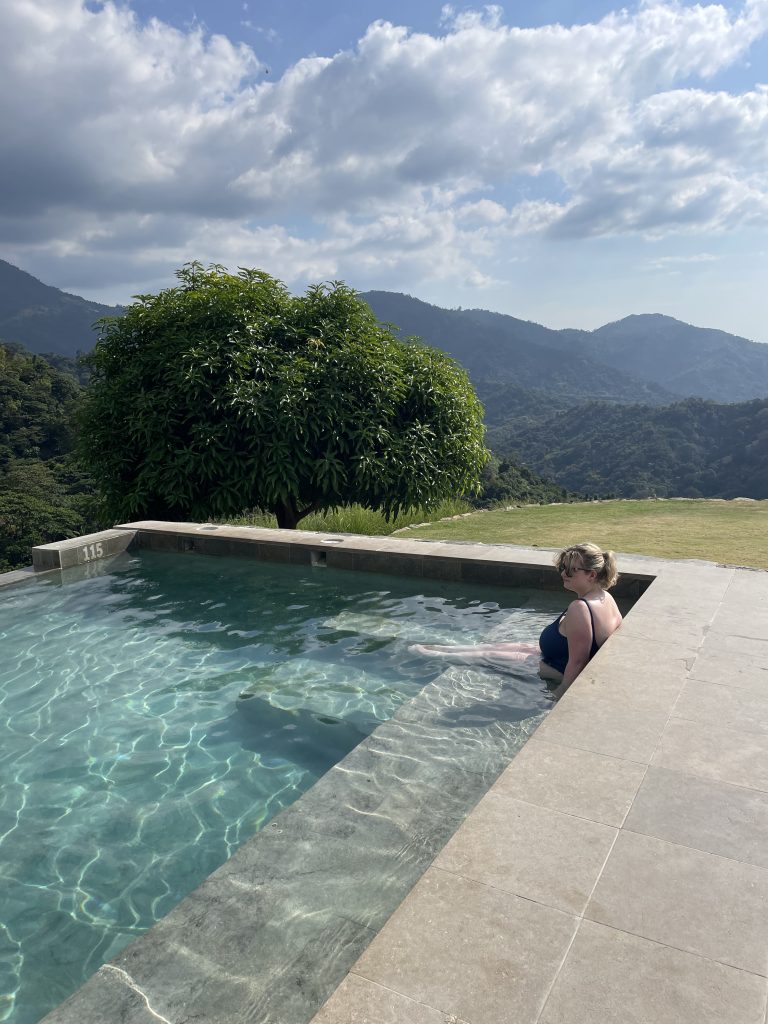
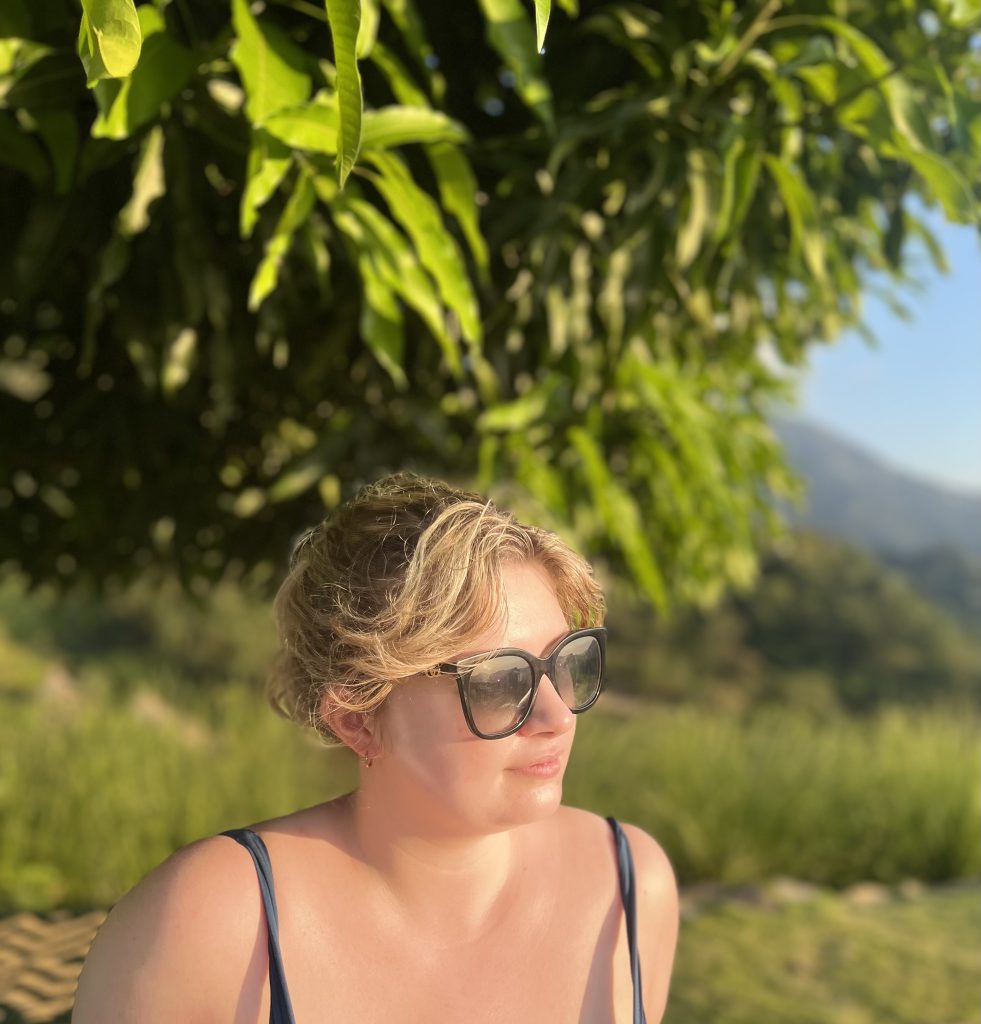
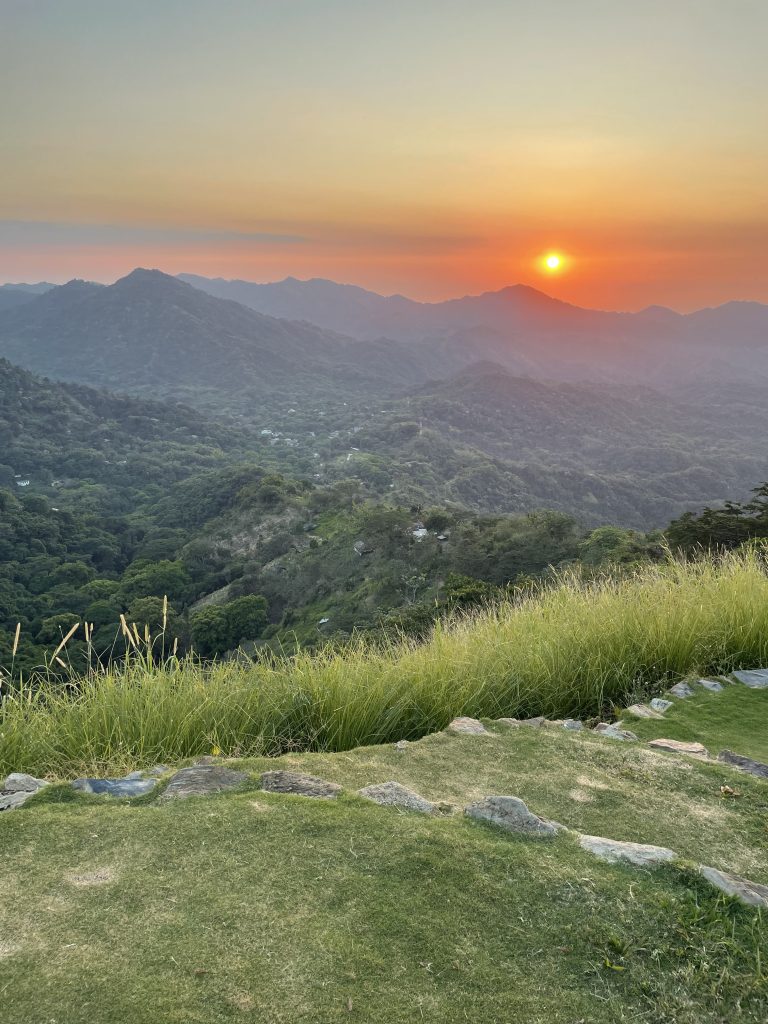
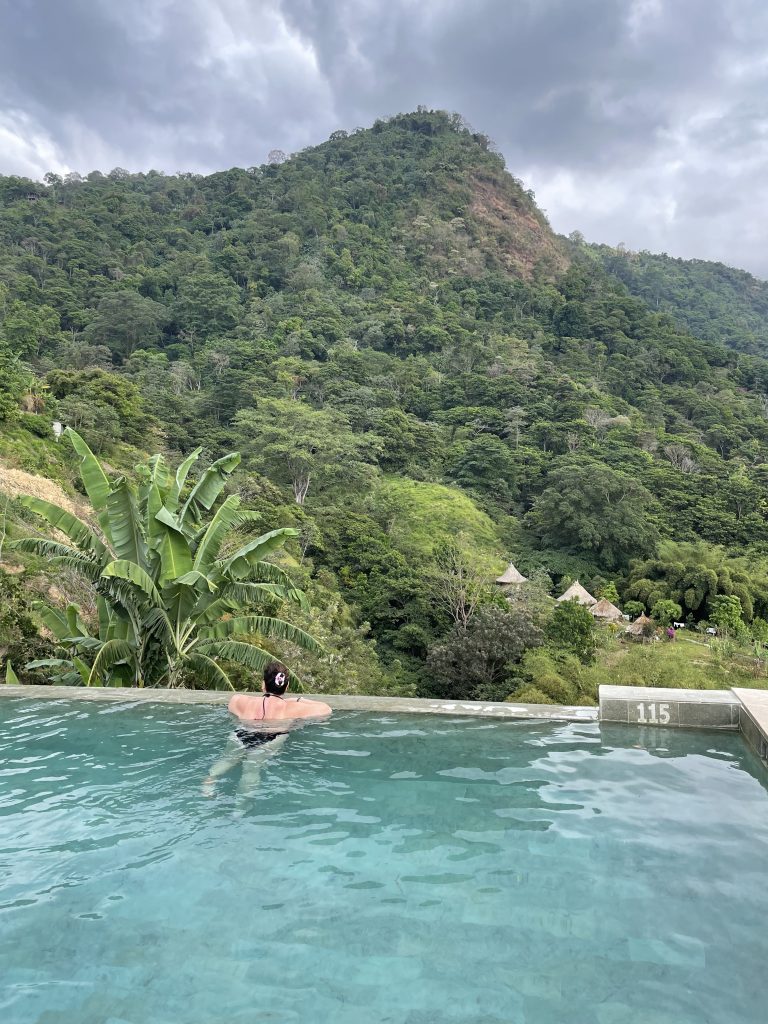
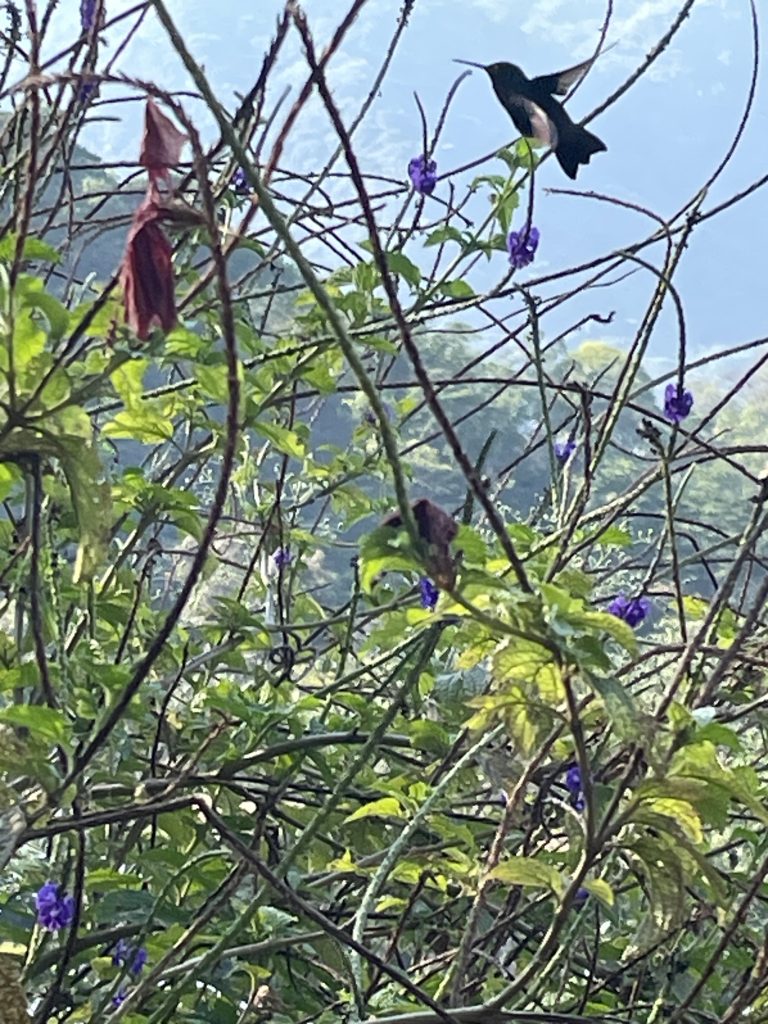
Our days started with yoga or birdwatching, melted into lazy afternoons by the pool, and ended with sunsets that painted the sky. Meals were shared at long communal tables, with conversations flowing. It was peaceful, social, and addictive in the best way.
You can also visit the Wiwa indigenous village, a 15-minute walk below the Lodge, where you learn about their culture and the surrounding nature.
Getting there:
- Flight from Medellín to Santa Marta: around $50–100 one way.
Mundo Nuevo Eco Lodge:
- Dreamy sunsets, infinity pool, yoga, birdwatching, and vegan communal meals.
- Rooms: $60–120 USD per night (depends on dorm vs. private).
Part 5: Tayrona and its National Natural Park
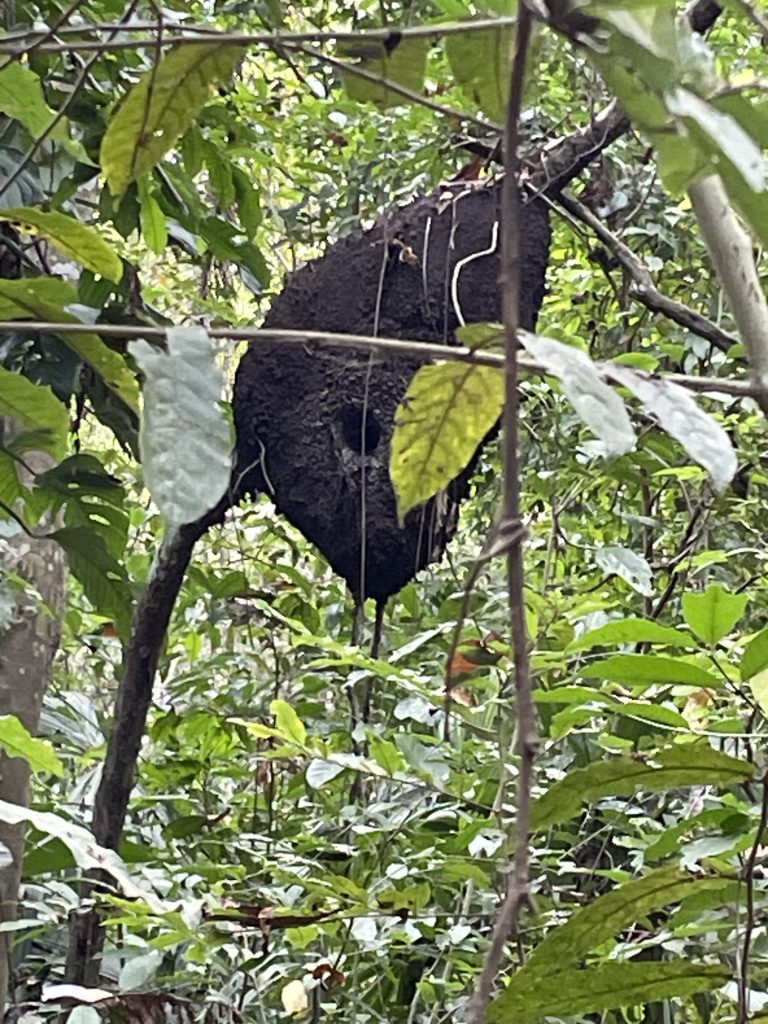
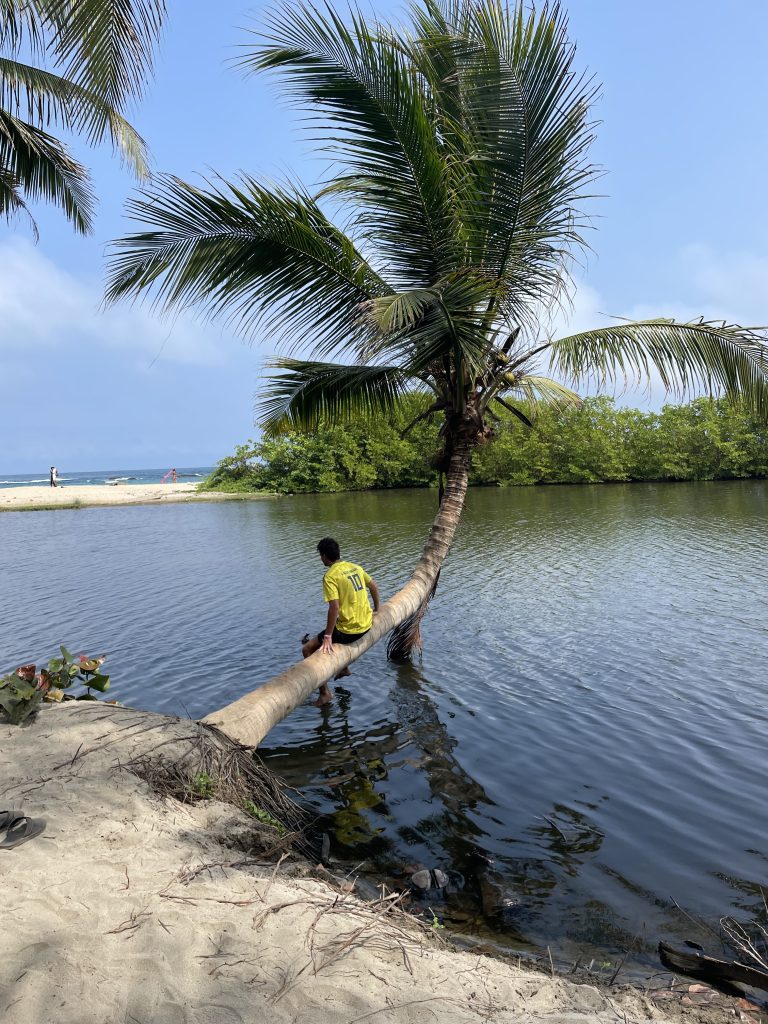
Next up was Senda Watapu, our base to explore Tayrona National Natural Park – a mix of jungle trails, beaches, and wild nature. Make sure the park is open when you plan your trip.
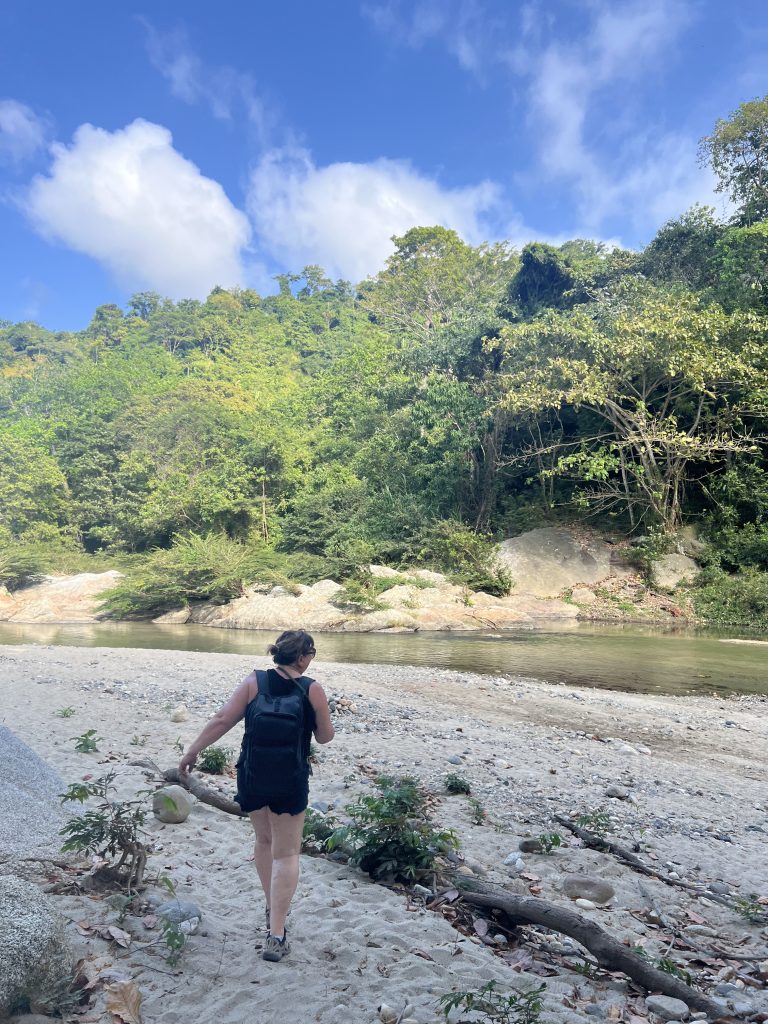
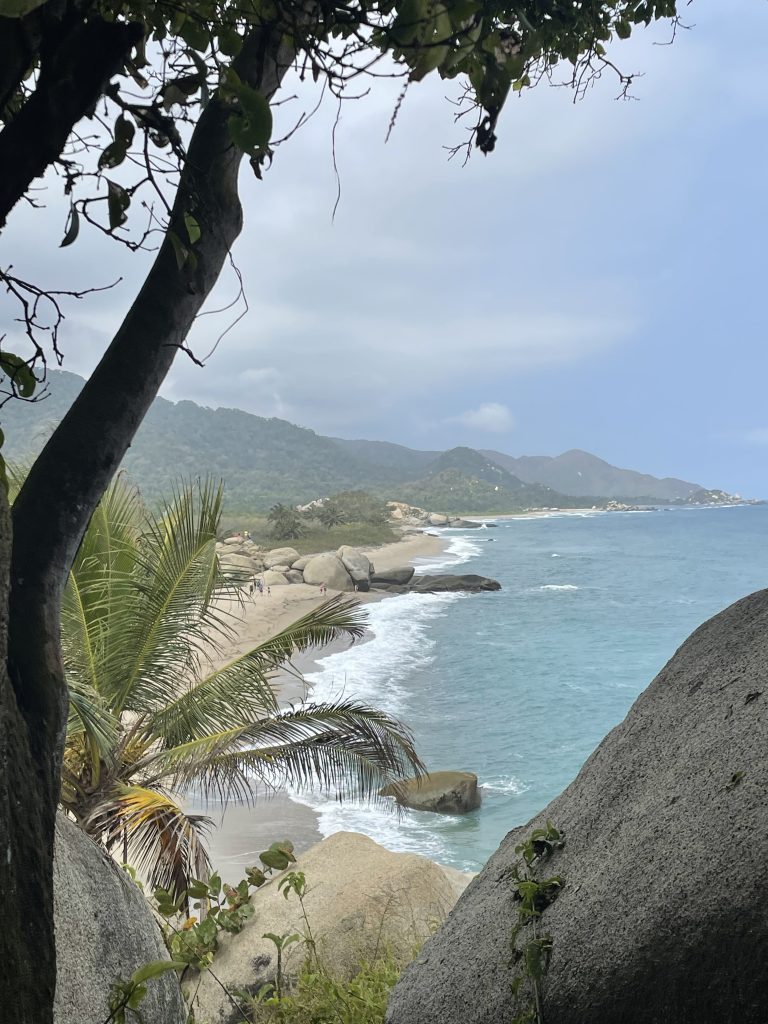
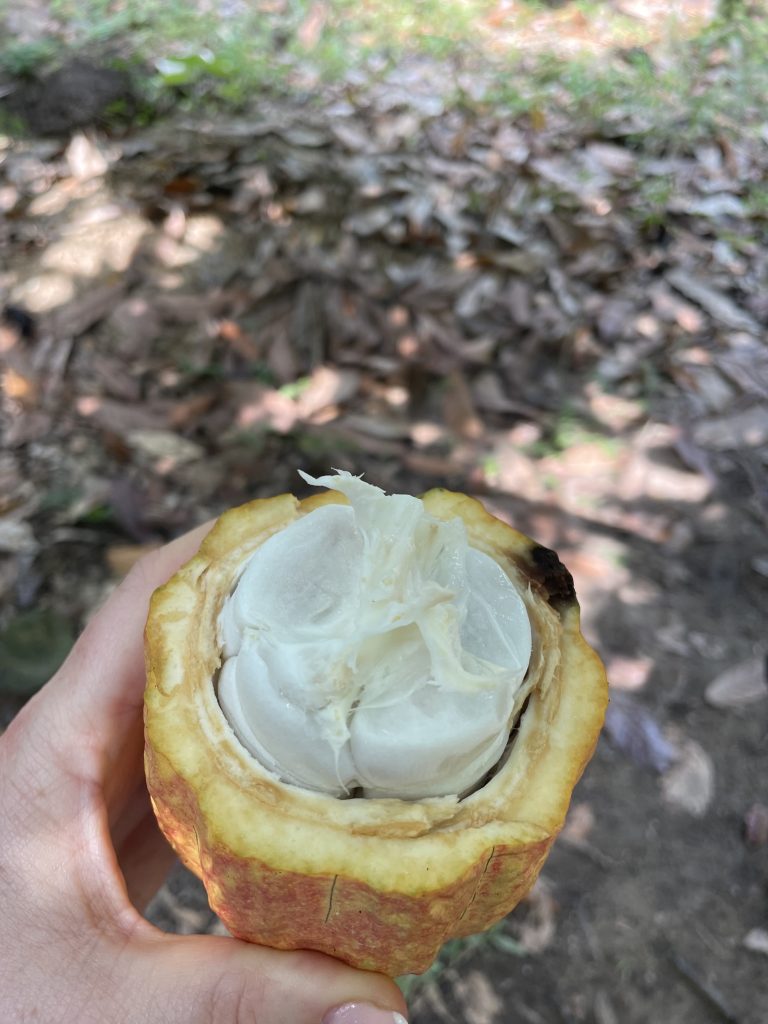
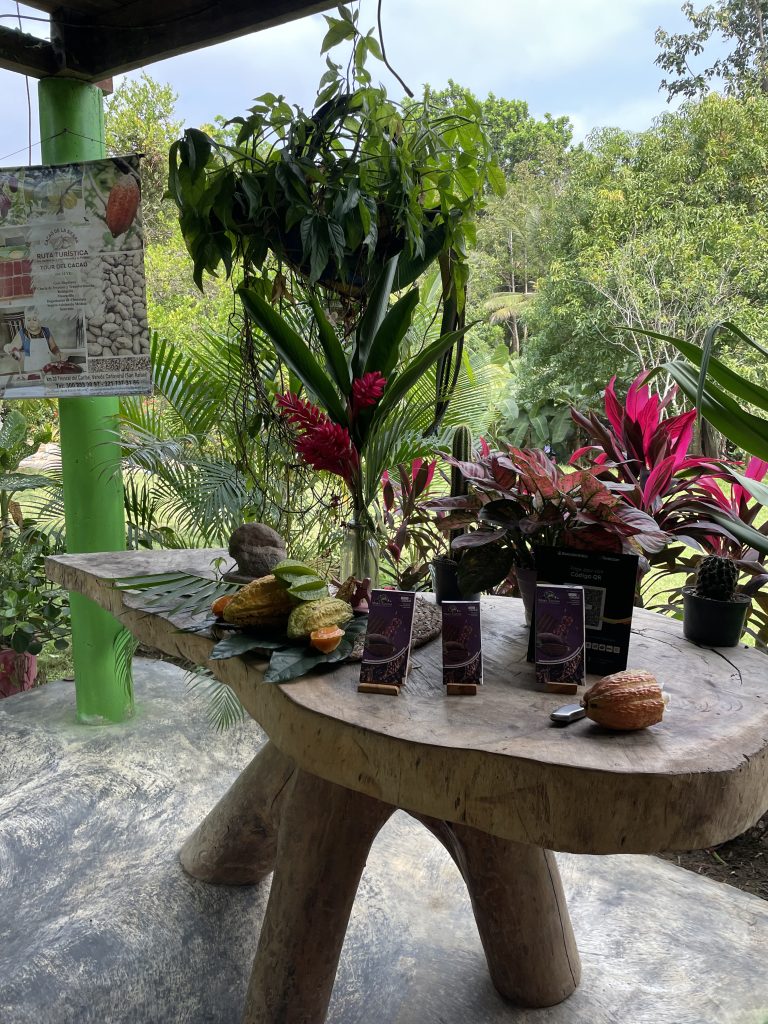
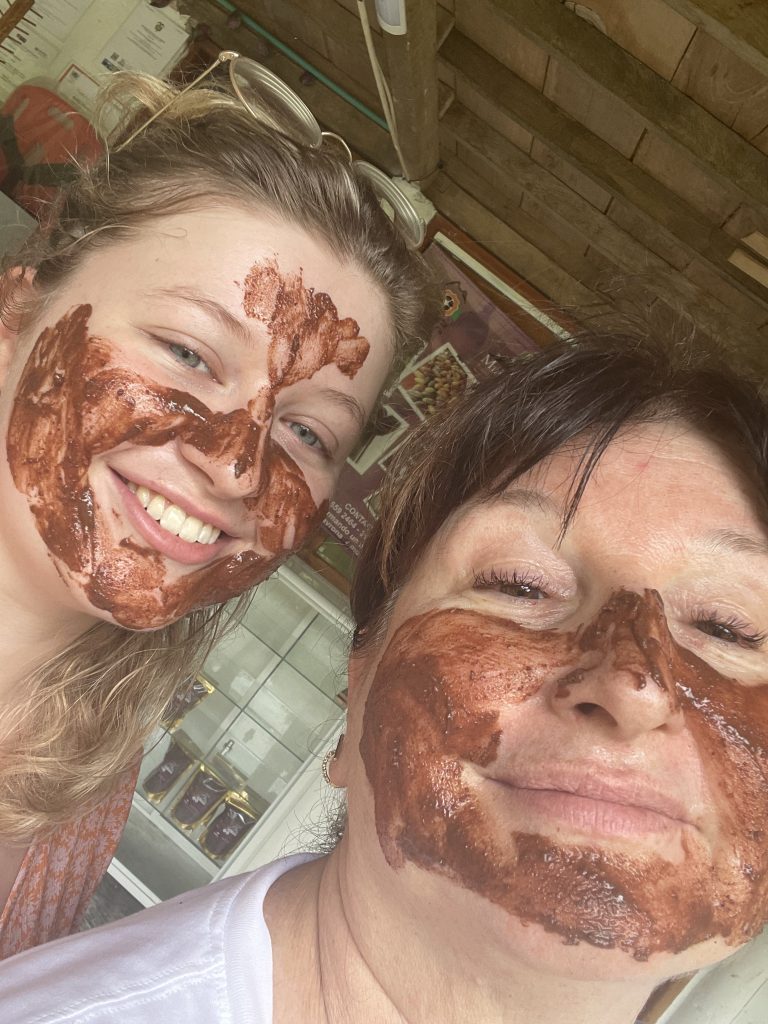
Nearby, we visited a cacao farm, Cacao de La Sierra Nevada, where we learned the journey from pod to chocolate bar. Cracking open cacao pods, roasting, grinding and then a chocolate facial for good measure! Educational, delicious, and hilarious all at once.
Senda Watapu
- Stylish jungle lodge near Tayrona National Park.
- Rooms: from $130 USD per night.
What we did:
- Tayrona National Park – Famous for beaches and jungle trails.
- Entry: 62,000 COP for foreigners.
- Best visited with a guide if hiking deeper trails.
- Cacao farm experience at Cacao de La Sierra Nevada – Hands-on process of making chocolate.
- Prices from 110,000 COP per person, includes tasting.
- Bonus: chocolate facial!
Part 6: Cartagena – Colors, History, and Lively Streets
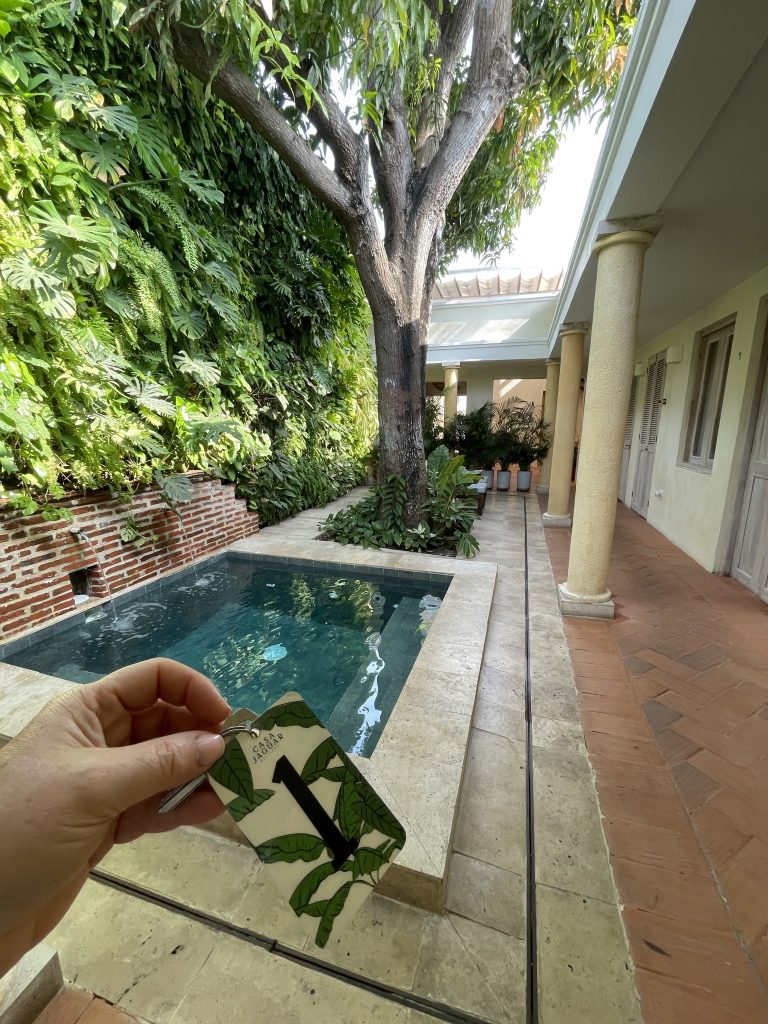
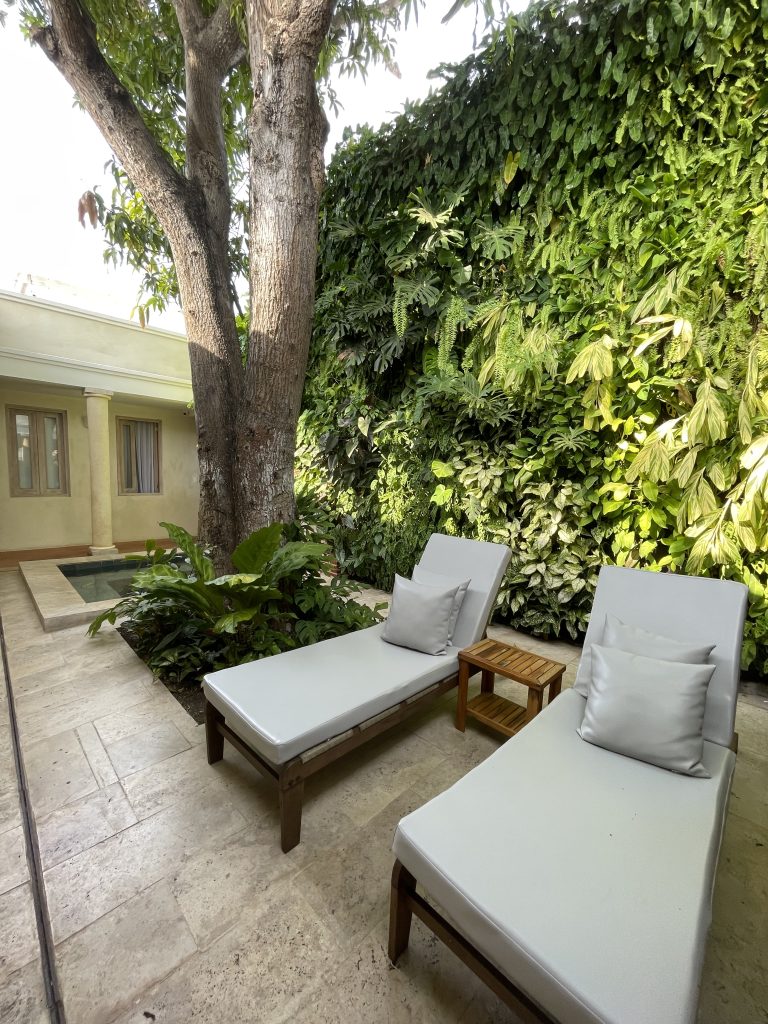
Cartagena was pure joy, a city wrapped in history and bursting with life. We stayed at Casa Jaguar hotel boutique, in Getsemaní, a vibrant, historic neighbourhood in Cartagena, known for its street art, cultural life, and nightlife.
We explored the walled streets with a guide, learning about Cartagena’s colonial past, but also soaking up its vibrant present.
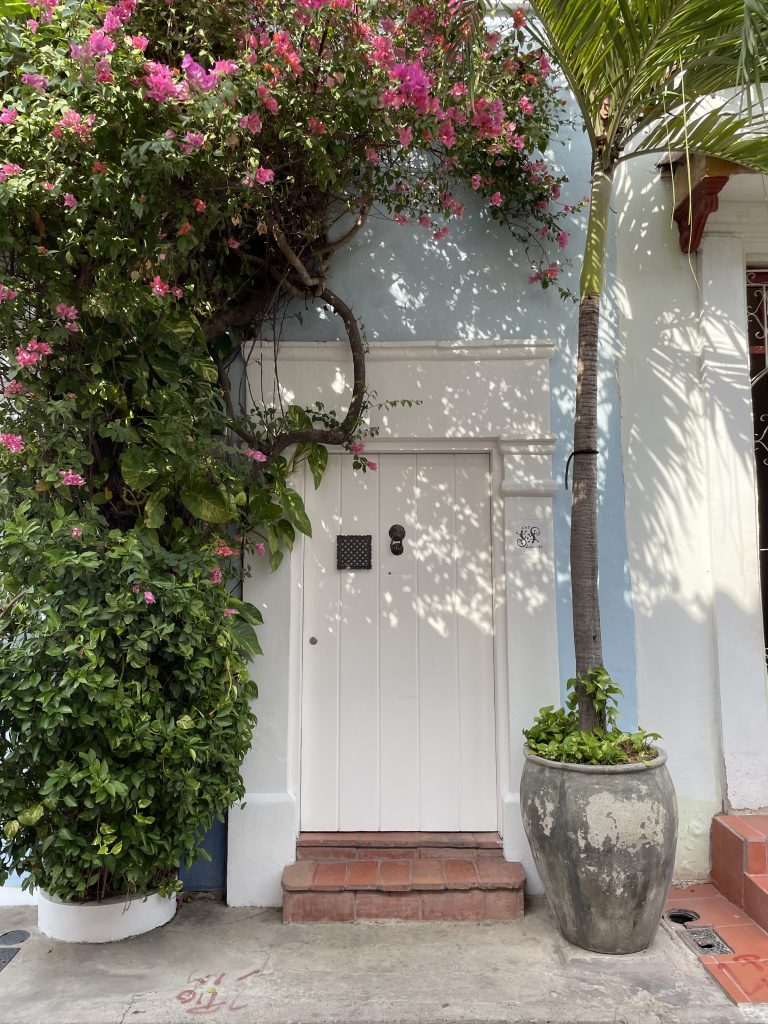
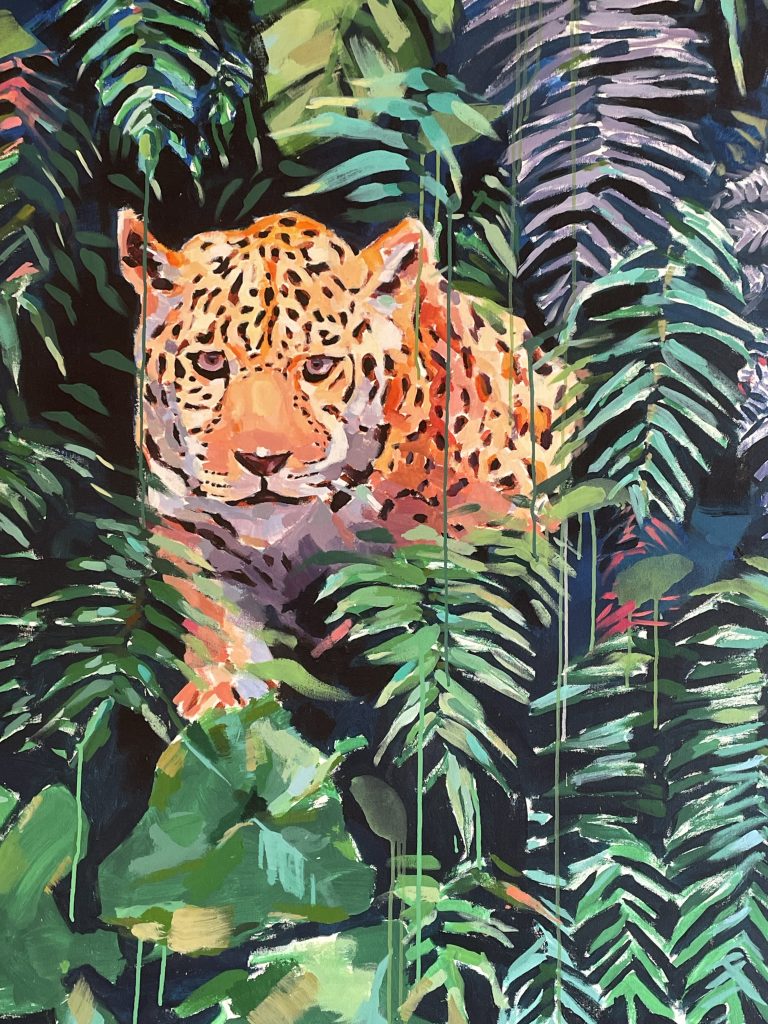
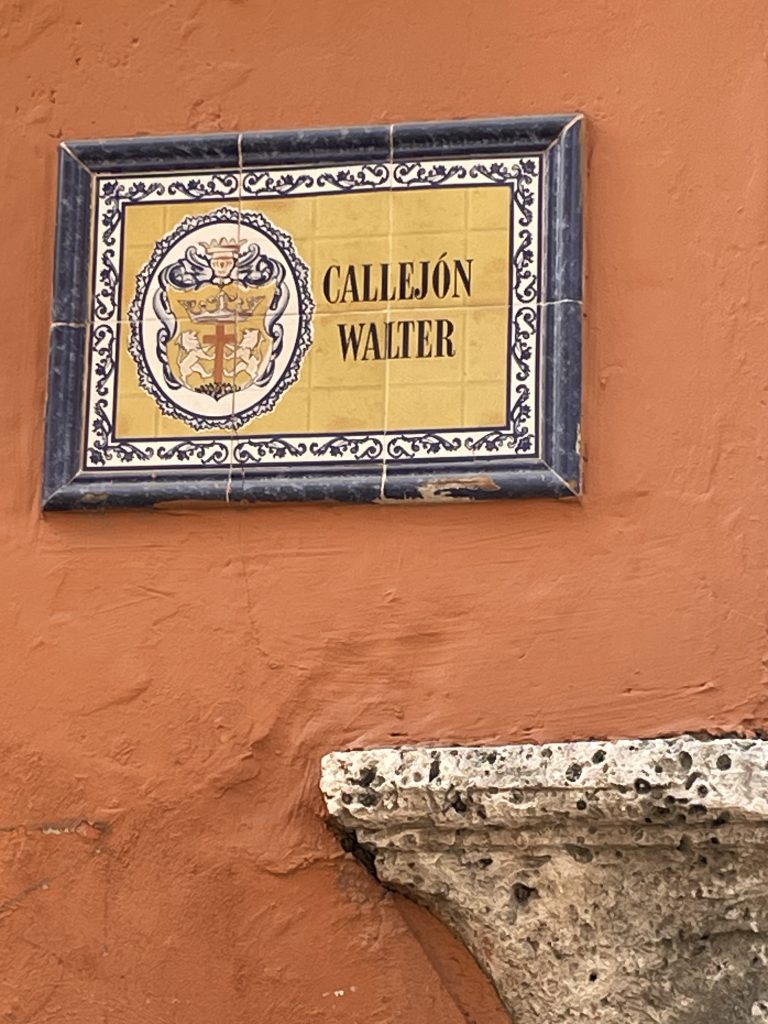
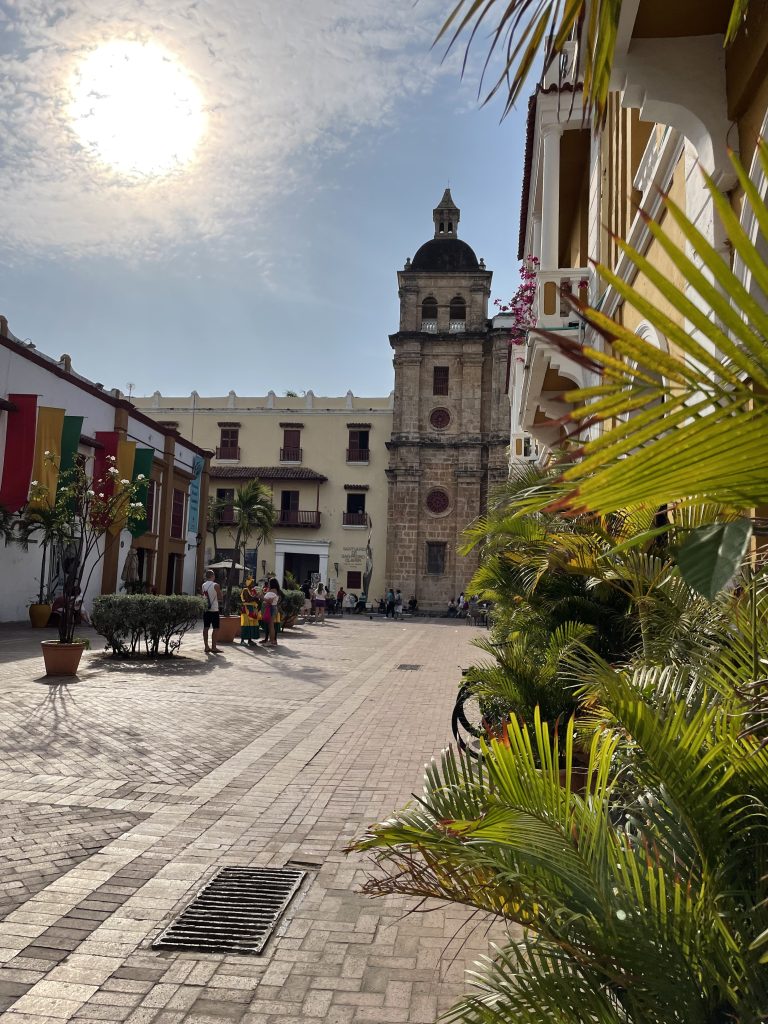
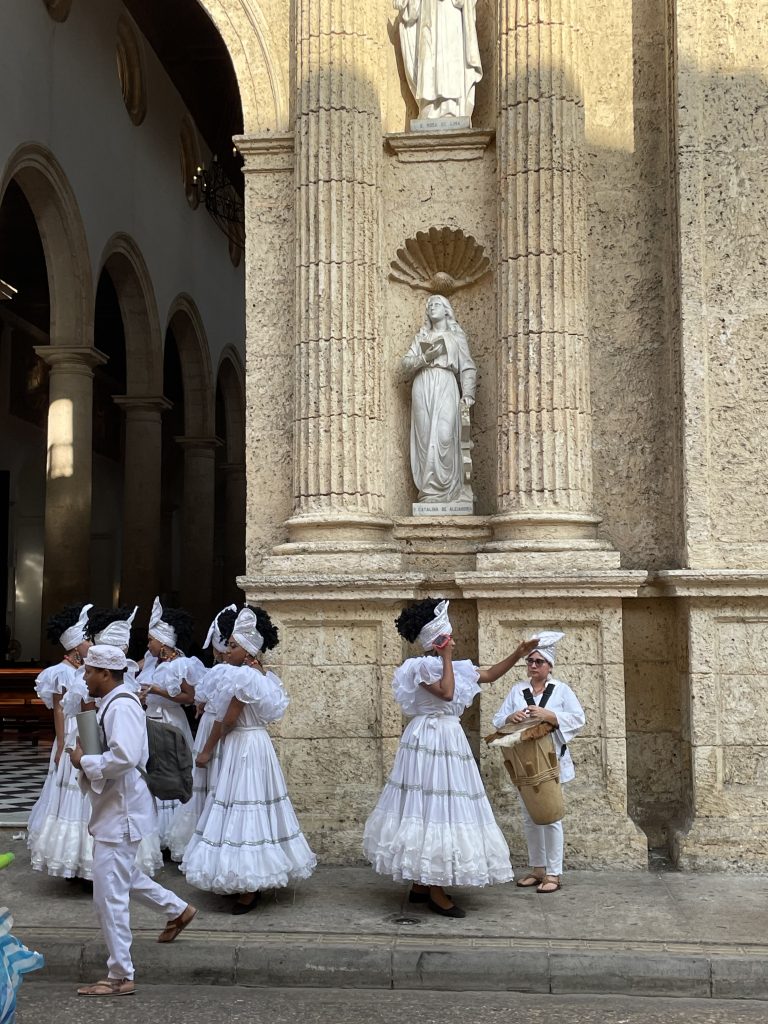
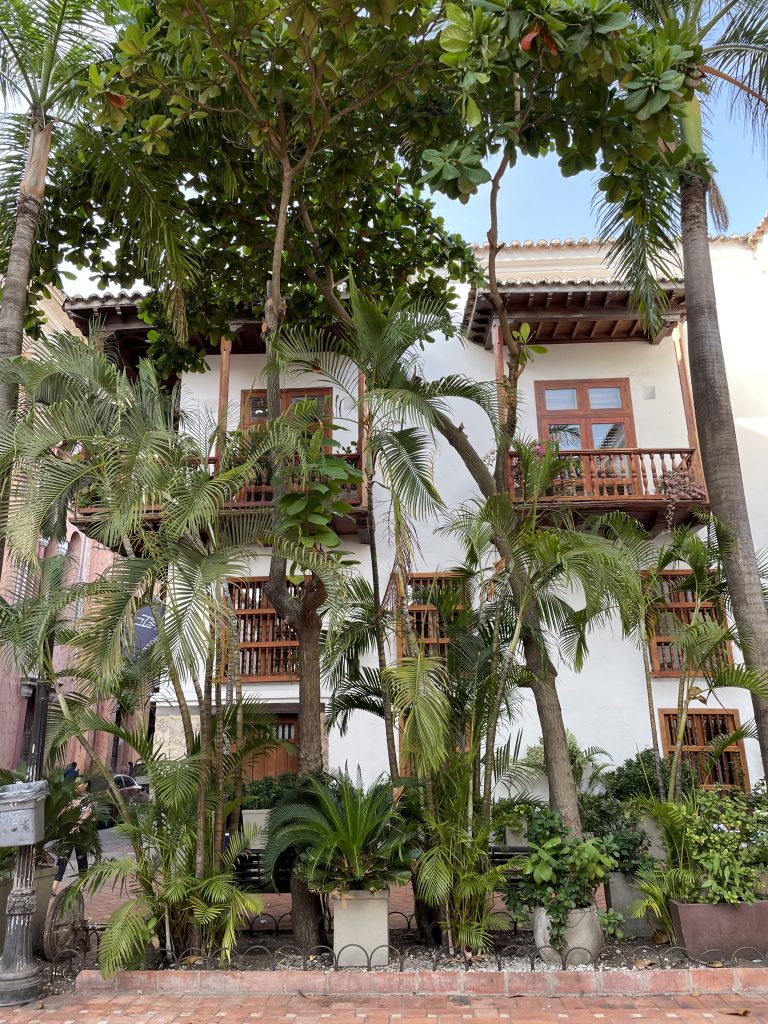
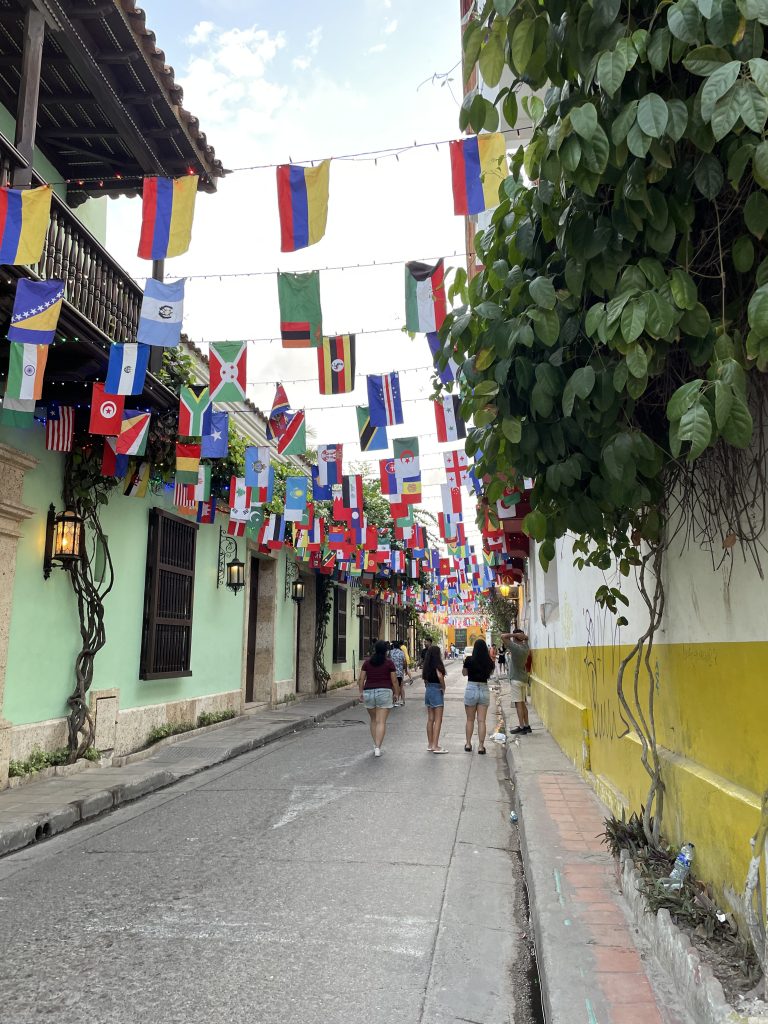
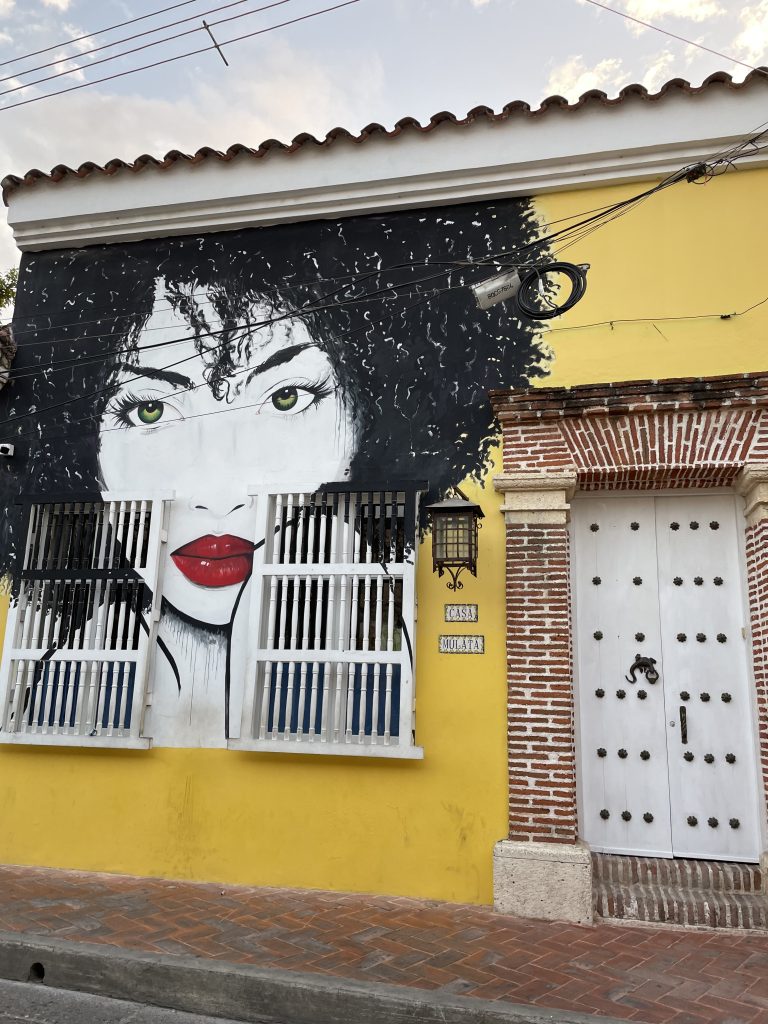
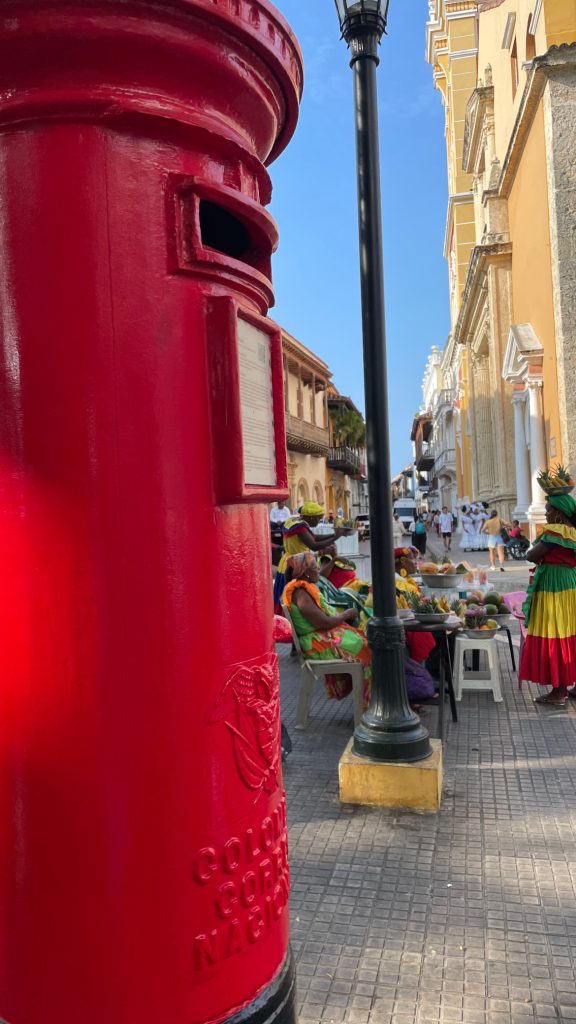
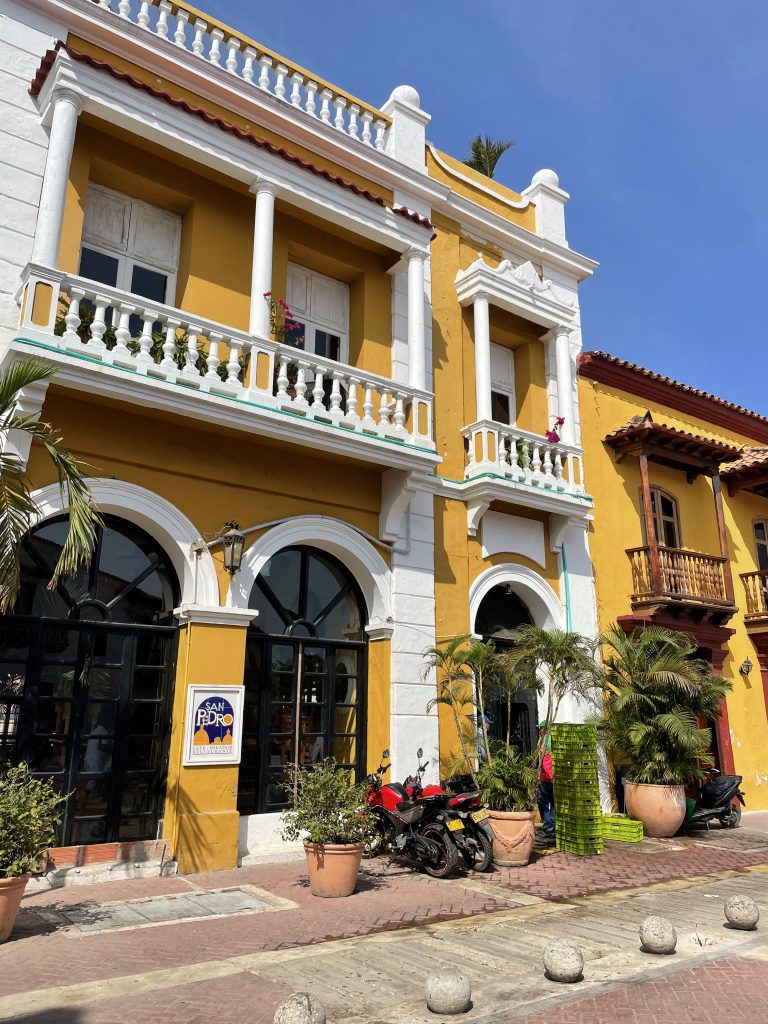
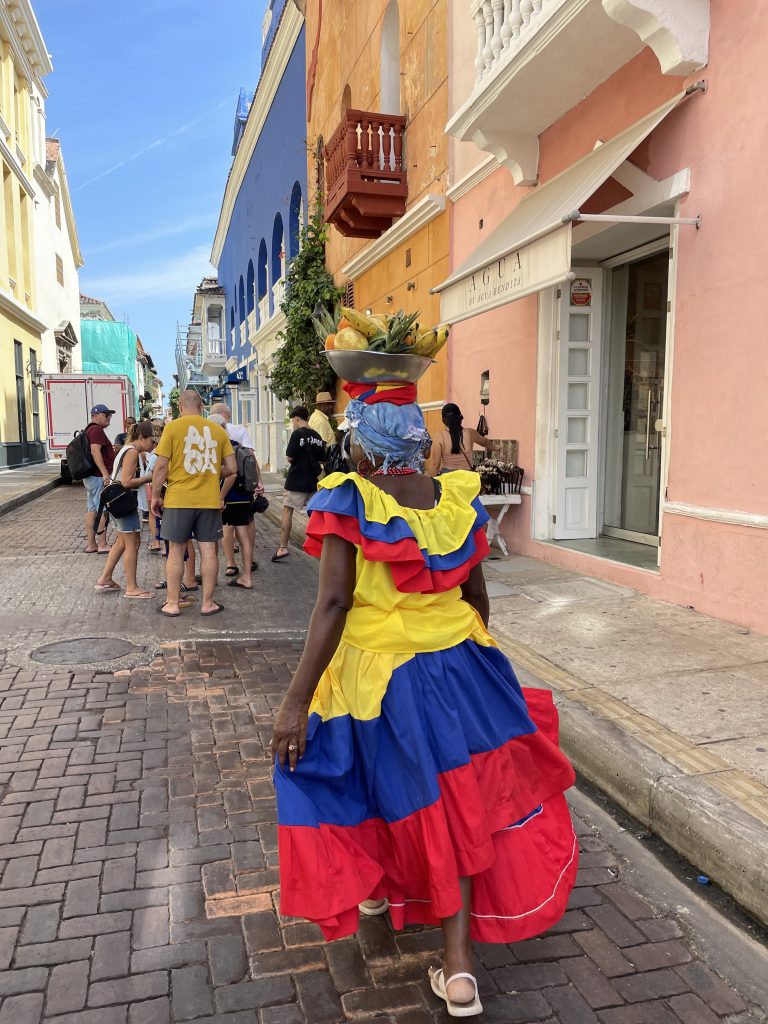

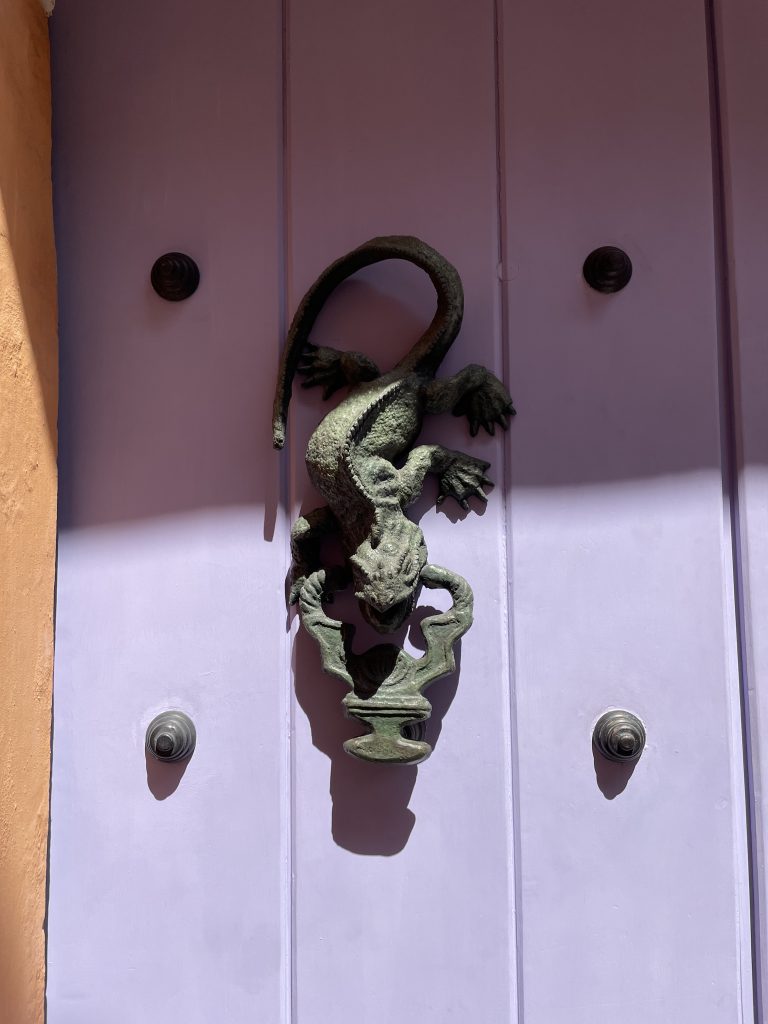

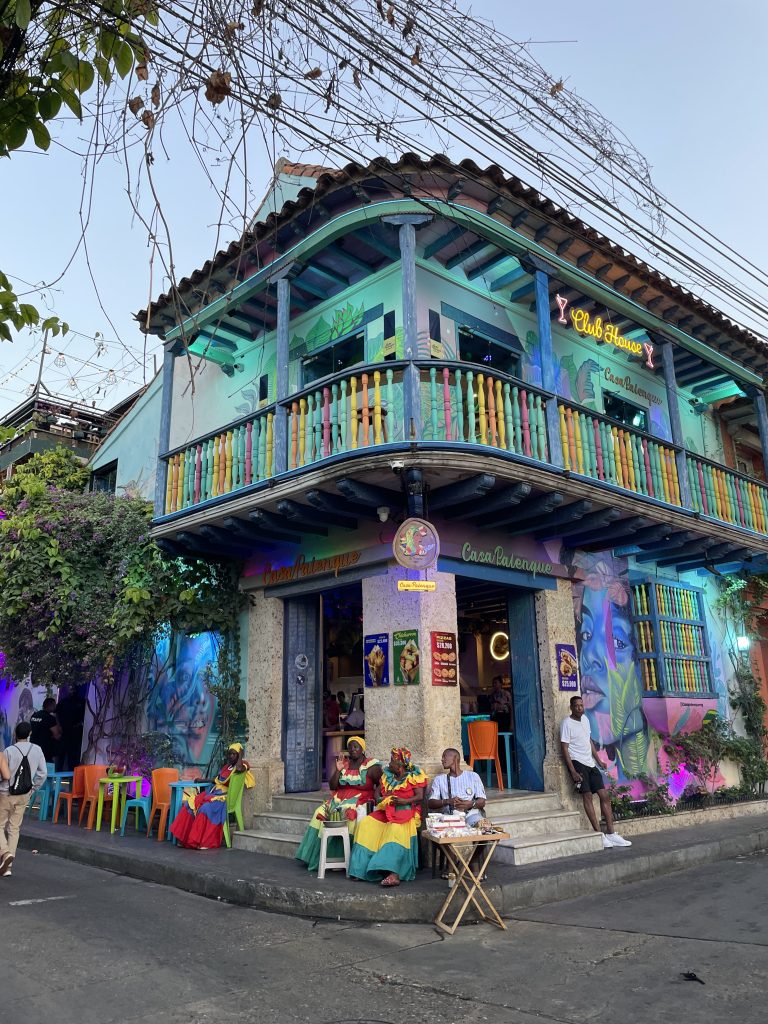
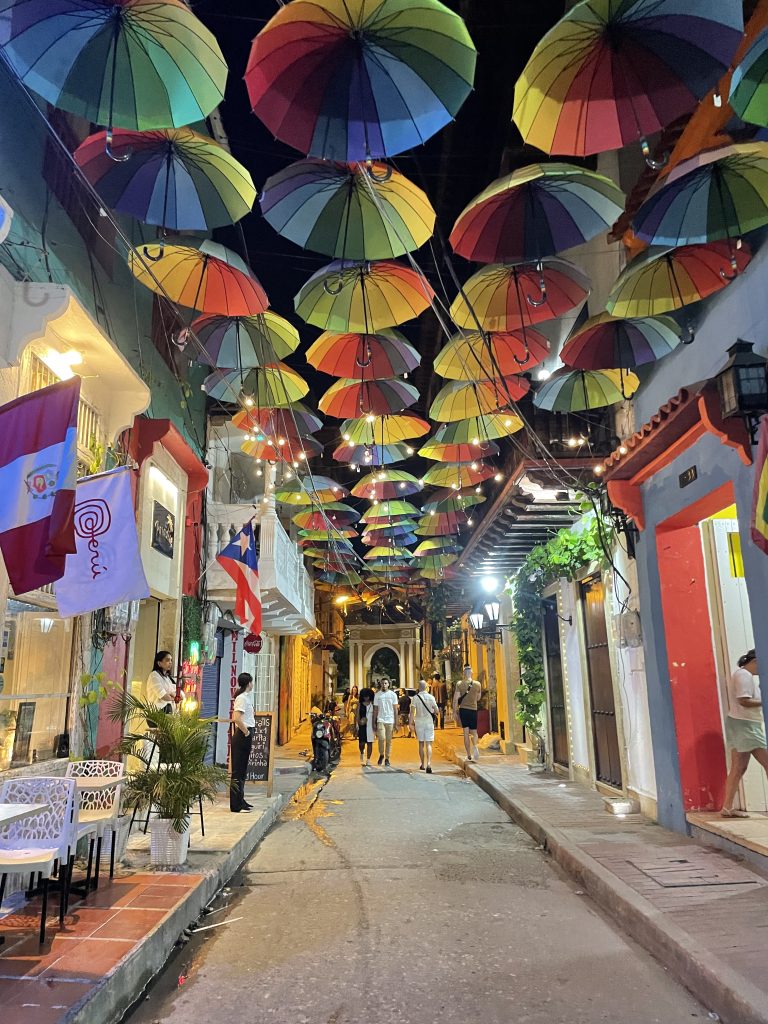

By day, the city shimmered in the heat; by night, lanterns glowed and music spilled into the plazas. Wandering its colorful alleys felt like stepping into a party at every corner.
Getting there:
- Transfer by car/bus from Santa Marta (about 4 hours, $10–20 USD).
Casa Jaguar Hotel Boutique:
- Centrally located, chic boutique hotel with top-notch breakfast and amazing staff.
- Rooms: around $130–160 per night.
What we did:
- Guided tour of the Old City – Colonial architecture, plazas, and hidden corners.
- Walking the colorful streets – Day and night, lively with music and street vendors.
- Dinner at Alma.
Part 7: Isla Barú – Ending on a High Note
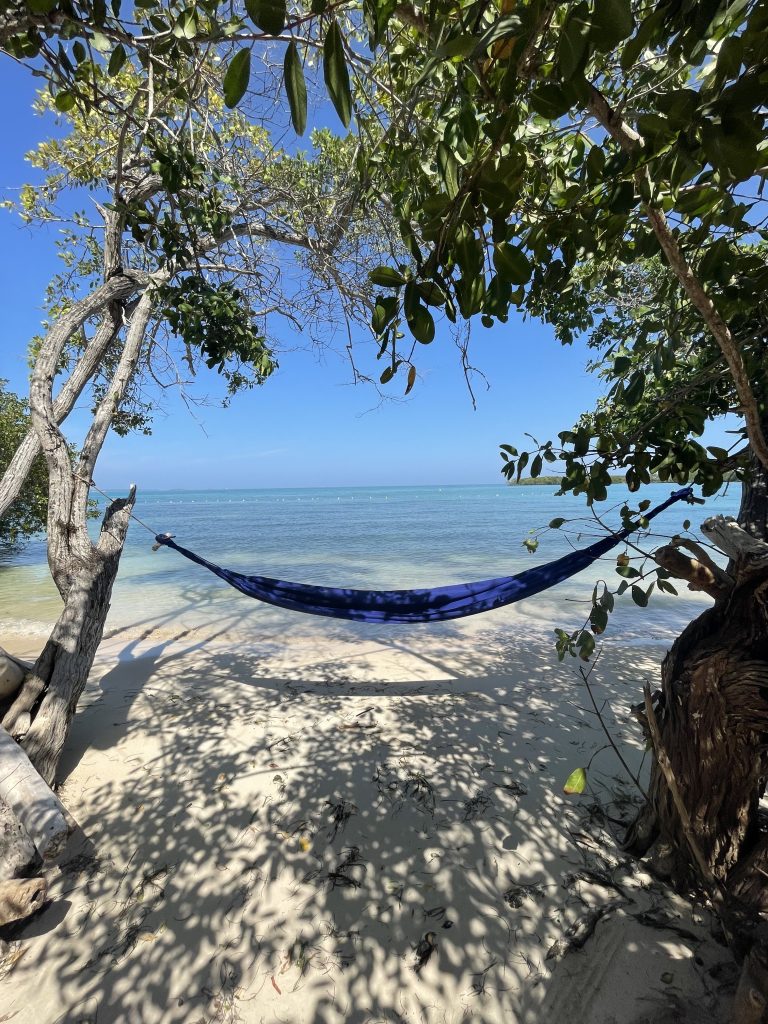
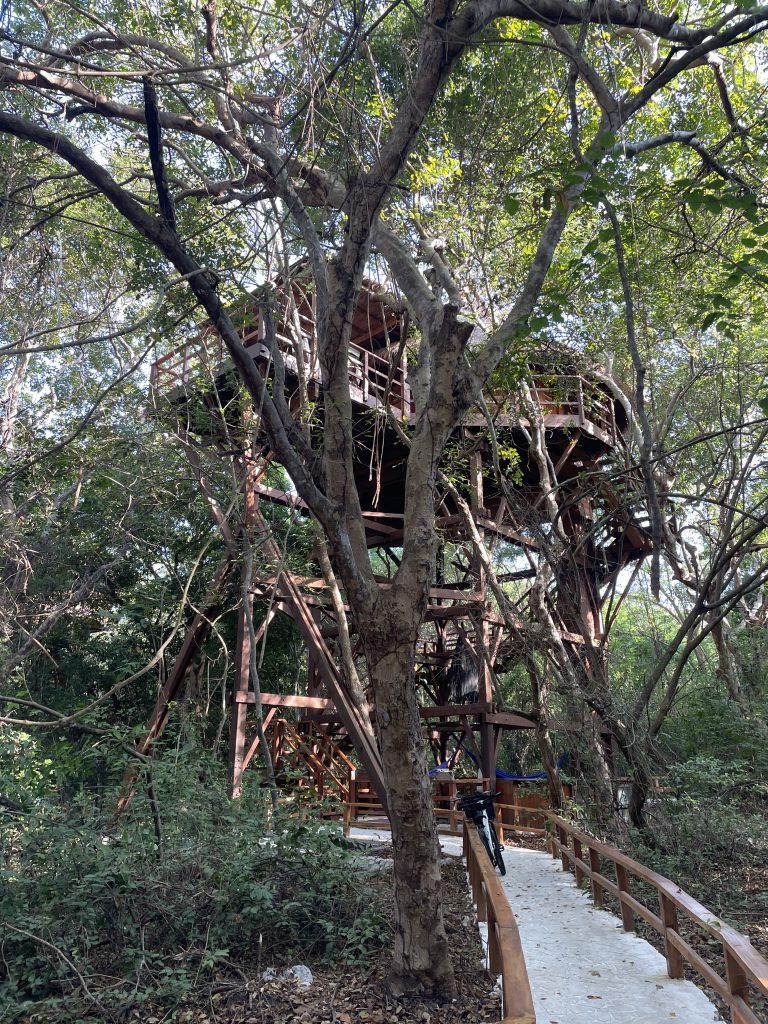
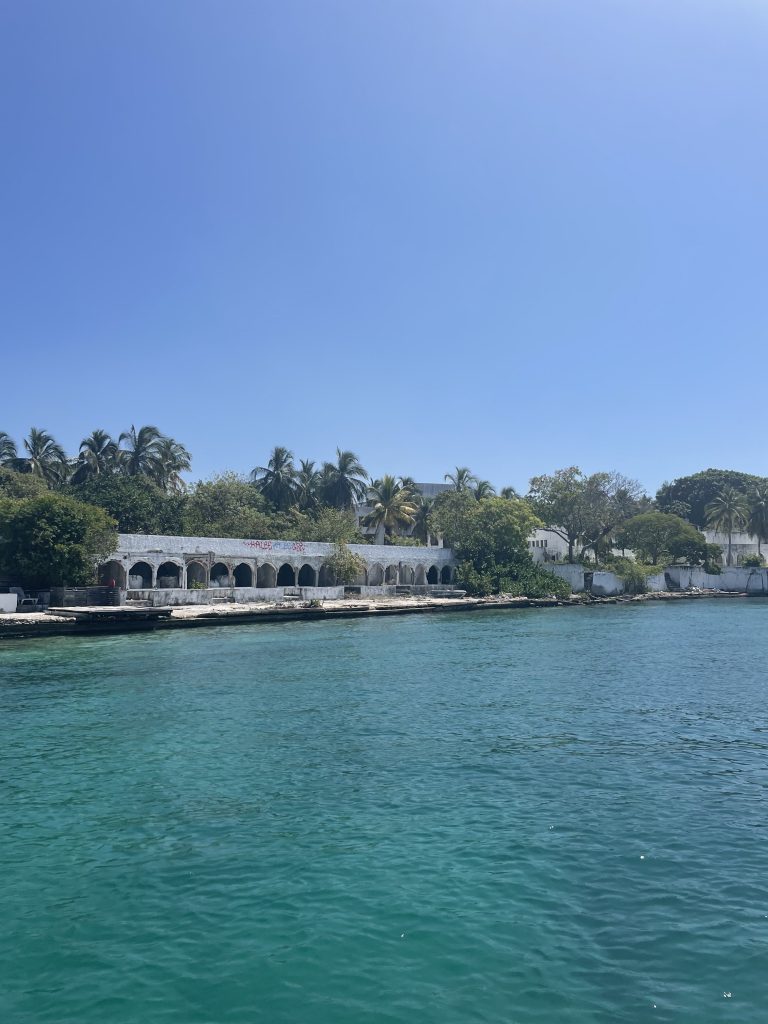
For our finale, we escaped to Hotel Las Islas on Isla Barú, reachable by boat. It was the perfect mix of luxury and adventure.
We gazed at the stars through a giant telescope, swam in the dark with glowing plankton (magical but a bit scary!), and took a private boat ride to hidden beaches. The funniest memory of all? A crab trying to steal Leana’s passport at the dock – it didn’t succeed, but it gave her a sharp pinch and us all a good laugh.
It was the perfect ending: wild, beautiful, and unforgettable.


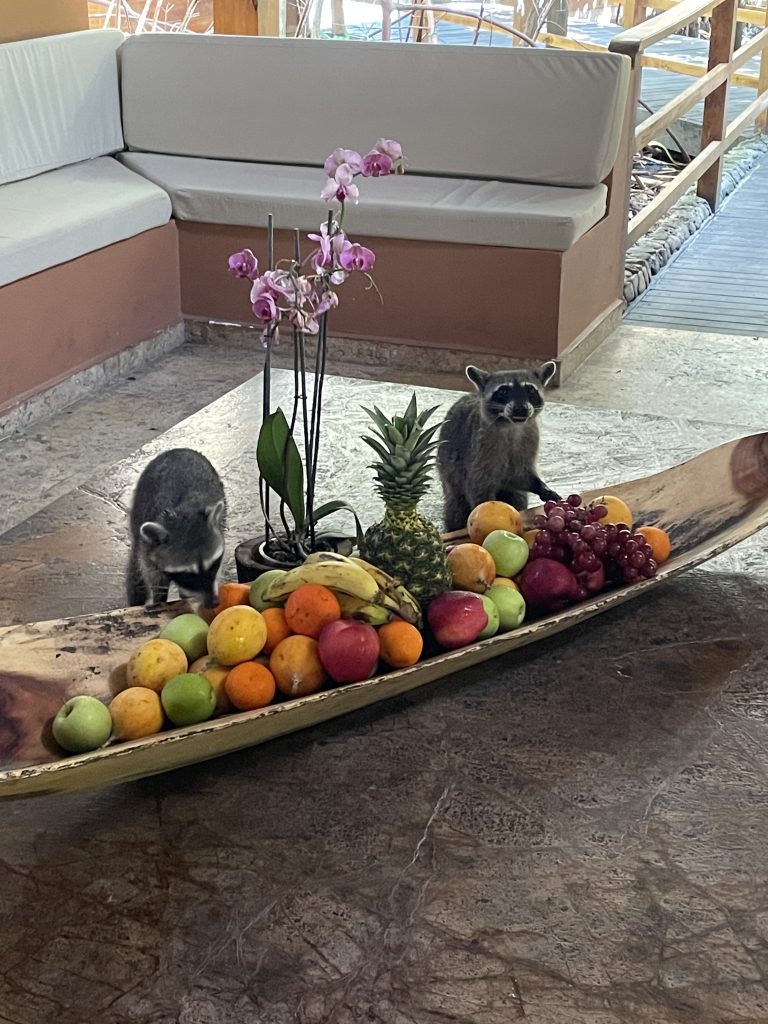
Hotel Las Islas
- Luxury eco-hotel with overwater and treetop bungalows.
- Rooms: $300–450 per night, including breakfast.
What we did:
- Stargazing with a professional telescope.
- Included in hotel activities.
- Night swim with plankton – Sparkling bioluminescence in the water.
- Included, though very dark (and a little scary!).
- Private boat ride tour the Rosario Islands (Islas del Rosario)– Organized by the hotel to secluded beaches.
- Around $200–300 USD depending on the length of trip.

Written by Elene Riordan
Welcome to Travelling Cooks! I’m Elene, a 50-ish-year-old British-Belgian woman living in Brussels, surrounded by my beautiful friends and family. This blog is a celebration of my three great passions—travel, restaurants, and cooking. Enjoy!